
Why Rats Are Chewing Tesla Wiring
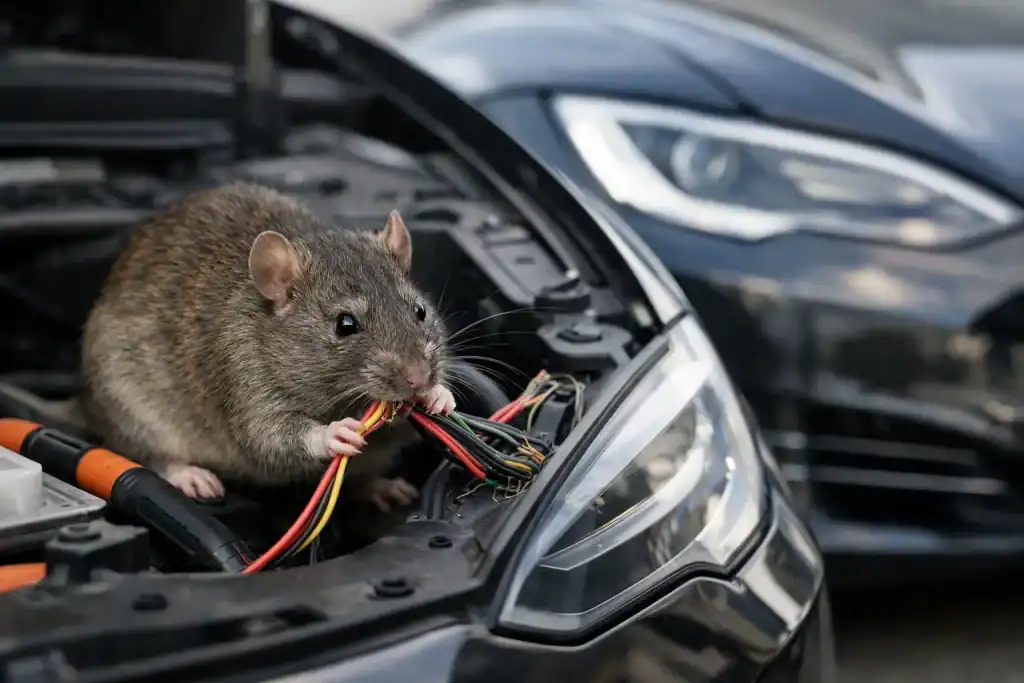
You do not expect to lift the bonnet of a near-new car and find bite marks, nesting material and shredded insulation. Yet that is exactly what many drivers are dealing with. If you have been wondering why rats are chewing Tesla wiring – and other modern cars – the short answer is that modern vehicles offer warmth, shelter and surprisingly chew-friendly materials.
This is not just a Tesla problem, and it is not a sign your car is poorly built. It is a rodent behaviour problem that has become more obvious as vehicle design, parking habits and urban rodent pressure have changed. For families, pet owners and property managers, it can quickly turn into an expensive and frustrating issue.
Why rats are chewing Tesla wiring and other modern cars
Rats chew because their front teeth never stop growing. They need to gnaw regularly to wear them down. In and around a parked car, wiring looms, insulation, hoses and soft plastics are all easy targets. Once a rat gets into an engine bay, it is not making a careful choice between premium and budget vehicles – it is responding to what feels safe and accessible.
Modern cars add a few attractions. Engine bays can stay warm after a drive, especially in cooler months or overnight in sheltered parking. They also provide quiet cover from predators, rain and foot traffic. In dense suburban areas, where food sources are close by and rats already move through roofs, gardens, bins and stormwater lines, a stationary car can become just another nesting site.
Tesla vehicles tend to get mentioned often because owners notice faults quickly and repairs can be costly. But European cars, Japanese models, hybrids, utes and family SUVs can all be affected. The issue is broader than one badge on the bonnet.
Are soy-based wires really the reason?
You will often hear that rats are attracted to soy-based wire coatings. There is some truth behind the discussion, but it is usually oversimplified. Some vehicle components and insulation materials have, over time, shifted towards more plant-derived compounds as manufacturers reduce reliance on older petroleum-heavy materials.
That does not mean rats are choosing cars because they smell like dinner. It is more accurate to say some newer materials may be easier or more appealing to chew once rodents are already there. The bigger drivers are still shelter, warmth and access. If a rat has made its way into your garage, under your carport or around your driveway, your wiring is part of the environment it is exploring.
So yes, material choices may play a role. But blaming the coating alone misses the practical problem. Rodents first need a reason to enter the area, and usually that reason is nearby harborage and food.
Why parked cars become rodent hotspots
Cars that sit still for long periods are at greater risk. A vehicle used daily is not immune, but movement, vibration and regular checks make it less appealing than one that stays parked for days at a time. This is one reason holiday cars, second vehicles and work cars left in basements often get hit harder.
Where the car is parked matters as much as the car itself. A garage with stored cardboard, pet food, bird seed or clutter gives rats everything they need. Outdoor parking near dense gardens, overhanging trees, compost bins or rubbish areas can create the same issue. In strata buildings and apartment basements, the problem may start well away from the damaged vehicle and spread through shared spaces.
Weather also changes rodent behaviour. After rain, cold snaps or building works that disturb nesting areas, rats look for new shelter. A recently used engine bay can feel like premium real estate.
The kind of damage rats actually cause
Chewed wiring is the headline problem because it can trigger warning lights, sensor failures, battery issues and hard-to-diagnose electrical faults. In some cases, the car will not start. In others, the issue shows up as intermittent faults that are easy to misread as a software or component problem.
But wiring is not the only risk. Rats can damage hoses, cabin filters, insulation and soundproofing. They may drag in leaves, paper or fabric to build nests. That nesting material can affect airflow or sit against hot engine components. Their droppings and urine also create hygiene concerns, especially if they reach the ventilation system.
The cost depends on what was chewed and how early it is caught. A single damaged section may be repairable. A badly affected loom or repeated infestation can become much more expensive. That is why prevention matters more than most people realise.
Signs a rat, not wear and tear, is behind the problem
Some owners only discover rodent activity after a mechanic points it out. Others notice clues earlier. A strong musty smell in the garage, droppings near parked cars, scraps of insulation under the vehicle or strange debris near the battery area can all be warning signs.
Noises at night matter too. Scratching in the garage ceiling, walls or storage area often means the car is not the source of the infestation – it is one of the casualties. If you only repair the vehicle and ignore the rodent activity around the property, the damage often comes back.
That is the point many people miss. The car is rarely the whole problem. It is usually part of a larger rat pathway through the home, garage, basement or site.
Why DIY deterrents often give mixed results
Drivers try all sorts of fixes, from peppermint sprays to ultrasonic devices and bonnet-up parking. Some of these may help in specific situations, but results are inconsistent. Rodents are highly adaptable, and a deterrent that bothers one rat may do very little when food and shelter are still close by.
Wrapping components or spraying strong scents without addressing entry points can also create false confidence. If rats are nesting in the roof, feeding from unsecured bins or moving through cluttered storage, they will keep returning. The behaviour may shift for a few days, then start again.
That does not mean every DIY step is useless. Keeping the parking area clean, removing food attractants and checking under the bonnet regularly are sensible habits. But if you are seeing repeat activity, the reliable answer is usually a proper rodent inspection and treatment plan around the property, not just around the car.
How to reduce the risk without harsh chemical overkill
The safest long-term approach is integrated rodent control. That means looking at why rats are on the property in the first place, then reducing access, shelter and food while using targeted treatment where needed. For homes with children, pets and native wildlife nearby, this matters. Broad, heavy-handed baiting is not the only answer, and in some settings it is not the best one.
A measured approach may include sealing obvious access points, improving storage, reducing garden contact with buildings, managing bins properly and treating active rat areas with low-tox or carefully placed solutions. In shared residential or commercial settings, it may also require coordination across garages, bin rooms and common areas.
For vehicle owners, a few practical habits help. Use the car regularly if possible. Avoid storing pet food, seed or cardboard in the garage. Clear clutter from parking spaces. If you suspect activity, book a mechanic to assess the vehicle and a pest professional to assess the site. Solving only one side of the problem often leads to repeat costs.
When the problem needs professional help
If wiring has already been chewed, the car repair and the pest control response should happen together. Mechanics can fix the damage, but they do not remove the rat pressure around the home, strata block or workplace. That is where a local pest specialist can make a real difference.
At Clean & Green Pest Control, the focus is on safe, effective rodent management that protects households, pets and surrounding wildlife while tackling the source of the infestation. For people dealing with repeat vehicle damage, that source is often closer to the garage than they think.
If you are seeing the signs, act early. Rats do not need much time to turn a quiet parking spot into a very expensive chew toy, and the sooner you remove the reason they are there, the easier it is to keep both your car and your property protected.