
Natural Ant Treatment for Kitchens That Works
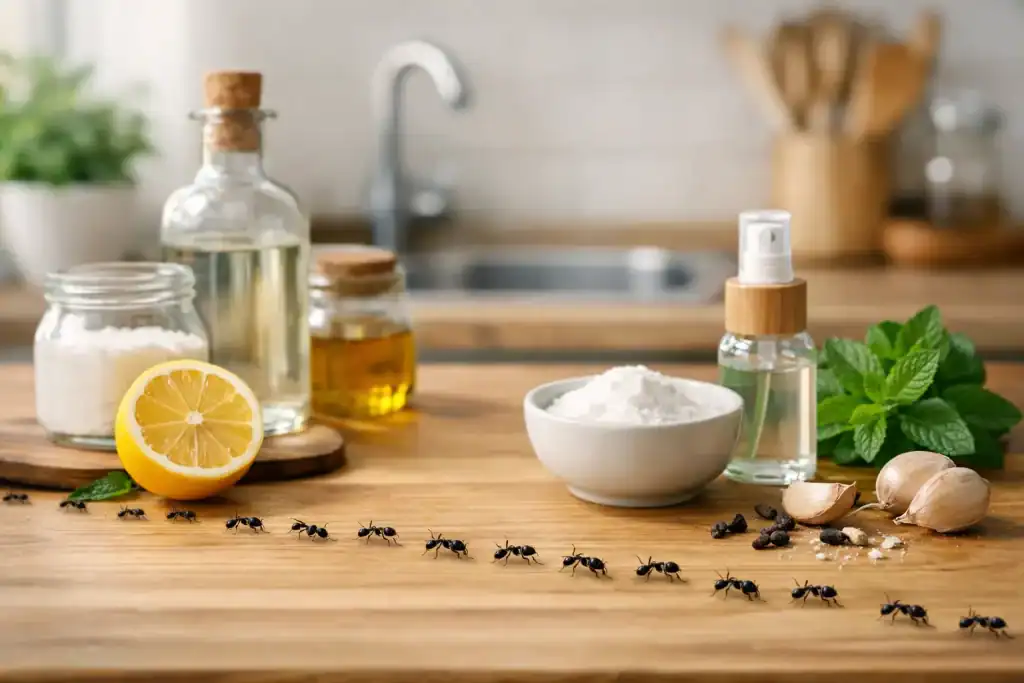
You wipe the bench, empty the bin, put the fruit away – and somehow there is still a neat little trail of ants marching across the kitchen splashback by breakfast. It is a common problem in family homes, especially during warmer weather, and many people want a natural ant treatment for kitchens that is safe around kids, pets and food preparation areas.
The good news is that natural methods can help. The less helpful truth is that not every home remedy works, and not every ant problem is small enough to solve with pantry staples. If you want results that last, the best approach is usually a mix of cleaning, exclusion and carefully chosen low-tox treatments rather than one quick fix.
Why ants keep returning to the kitchen
Ants are not in your kitchen by accident. They are there because the space offers exactly what a colony needs – food, water and shelter. A few crumbs under the toaster, a sticky honey jar, moisture around the sink or pet food left out overnight can be enough to keep worker ants coming back.
Once they find a reliable food source, ants lay down a chemical trail for the rest of the colony to follow. That is why you might see one ant one day and a steady procession the next. Wiping away the visible ants helps in the moment, but if the scent trail remains and the entry point is still open, the problem usually returns.
In Sydney homes, kitchens can also attract several different ant species. Some are mostly a nuisance. Others are more persistent and nest inside wall cavities, under pavers or around damp areas near the home. That matters, because the right treatment depends on where they are nesting and what is drawing them inside.
What a natural ant treatment for kitchens should do
A good natural ant treatment for kitchens is not just about killing the ants you can see. It needs to interrupt the whole cycle. That means removing the attractant, breaking the trail and making the area less inviting over time.
Natural treatments are often a strong fit for kitchens because they can reduce chemical exposure in sensitive areas. For households with crawling toddlers, curious pets or anyone concerned about spraying harsh products near food surfaces, that is a sensible priority. Still, natural does not always mean harmless, and it does not always mean strong enough for a large infestation. Essential oils, for example, can repel ants, but some can also irritate pets if used carelessly.
The most reliable natural approach is practical rather than trendy. It focuses on hygiene, moisture control and targeted deterrents that are actually manageable in daily life.
Start with the cause, not the trail
Before using any treatment, inspect the kitchen properly. Look behind appliances, under the sink, inside the pantry and around window frames. Ants often follow edges, skirting boards and tiny gaps around plumbing.
If you find sugary spills, grease build-up or opened food packets, deal with those first. Store pantry items in sealed containers where possible. Empty indoor bins regularly and rinse recycling before it sits in the kitchen. If pet bowls are attracting ants, lift them after feeding time rather than leaving them down all day.
Water matters just as much as food. Ants are often drawn to damp spots around taps, dishwashers and under-sink cabinets. Fixing a slow leak or drying out a damp cupboard can make a bigger difference than any spray.
Natural ant treatment for kitchens that can genuinely help
White vinegar is one of the simplest options. Mixed with water and used to wipe benches, splashbacks and ant trails, it helps disrupt the scent path ants rely on. It will not eliminate a nest, but it can reduce activity quickly and is useful as part of a wider routine.
Dishwashing liquid and water can be effective for visible ants around the sink or benchtop. It works on contact and is practical for small numbers, especially when you need a fast clean-up in a food area. Again, it is not a full solution on its own.
Cinnamon and clove can act as deterrents in some situations. People often use them near windowsills, pantry corners or known entry points. Results vary. Some ant species avoid these scents, while others seem largely unfazed. They are best treated as a barrier support, not a guaranteed fix.
Food-grade diatomaceous earth is another option people consider. It can be useful in dry, out-of-reach areas such as behind kickboards or under appliances, where it stays undisturbed. It is less useful in damp kitchen zones because moisture reduces its effectiveness. Even though it is considered lower-tox, you still would not want dust drifting onto food prep surfaces.
Peppermint oil is often mentioned as a natural repellent. It may help around entry points when diluted correctly, but this is where care matters. Strong essential oils can be irritating to cats and dogs, and kitchen use needs to be controlled and minimal. If you have pets, this is not a treatment to use casually just because it smells clean.
What usually does not work as well as people hope
One of the biggest frustrations with DIY ant control is that visible activity may drop for a day or two, then come straight back. That is often because repellent-only methods push ants elsewhere without affecting the colony.
This is especially true when ants are nesting in wall cavities, roof voids or outside paving close to the home. You may stop them entering near the pantry, only to see them emerge near the dishwasher a week later. If the nest remains healthy, worker ants will keep searching for a way in.
Another common mistake is overusing strong-smelling products. Mixing vinegar, oils and store-bought sprays all over the kitchen can create a lot of mess without solving the problem. It may also make food prep areas less practical to use. A cleaner, more targeted approach is usually better.
Prevention matters more than most people think
For ongoing control, prevention does the heavy lifting. Keep benches dry, sweep under appliances when you can and avoid leaving ripe fruit exposed during hot weather. Check window screens, seals and gaps around pipes. Even a tiny crack near the sink line can become a steady access point.
Outside the kitchen, trim back vegetation touching the house and keep exterior bins clean. Ant colonies often begin outside and only move indoors when conditions are favourable. Reducing activity around doors, windows and external walls can lower the chance of repeat incursions.
For strata properties, rental homes and commercial kitchens, this broader view is even more important. If common waste areas, garden beds or neighbouring units are part of the issue, a single kitchen clean-out may not be enough. In those cases, the source may sit beyond the room where you are seeing the ants.
When natural methods are enough – and when they are not
If you are dealing with a few scouts and have caught the issue early, natural methods can be enough. Good cleaning, trail removal and sealing obvious gaps often settles a minor problem.
If ants are appearing every day, spreading into multiple rooms or returning within hours of cleaning, the colony is likely established nearby. The same applies if you are seeing ants around electrical points, inside cabinetry or from wall cracks. At that point, DIY efforts can become a cycle of temporary relief.
This is where professional help becomes worthwhile, especially if you still want a lower-tox outcome. A good technician should be able to identify the ant species, locate likely nesting zones and recommend treatment that is suitable for a kitchen environment. That may include targeted gel baits, exclusion advice and low-tox products chosen to reduce risk around children, pets and food handling areas.
For homes on the Northern Beaches and across Sydney, this can be especially useful in warmer months when ant pressure ramps up quickly. The aim is not to flood the kitchen with chemicals. It is to solve the problem properly, with the least disruptive treatment that will actually work.
A safer way to think about ant control
The safest kitchen is not one covered in home remedies or harsh sprays. It is one where the source of the problem has been identified, food and moisture attractants are under control, and treatment matches the scale of the infestation.
That means being realistic. A vinegar wipe is helpful. Sealing cereal boxes is helpful. Drying the area under the sink is helpful. But if ants are deeply established, those steps may need to be backed by a more targeted plan.
At Clean & Green Pest Control, that is the thinking behind responsible pest management. Start with what is attracting the pest, use the lowest-risk effective treatment, and focus on long-term prevention so the problem stays solved.
If ants keep showing up where your family cooks, eats and gathers, the goal is not perfection overnight. It is a kitchen that feels clean, safe and under control again – without turning your home into a chemistry experiment.