
How Often Should Rodent Bait Stations Be Checked?
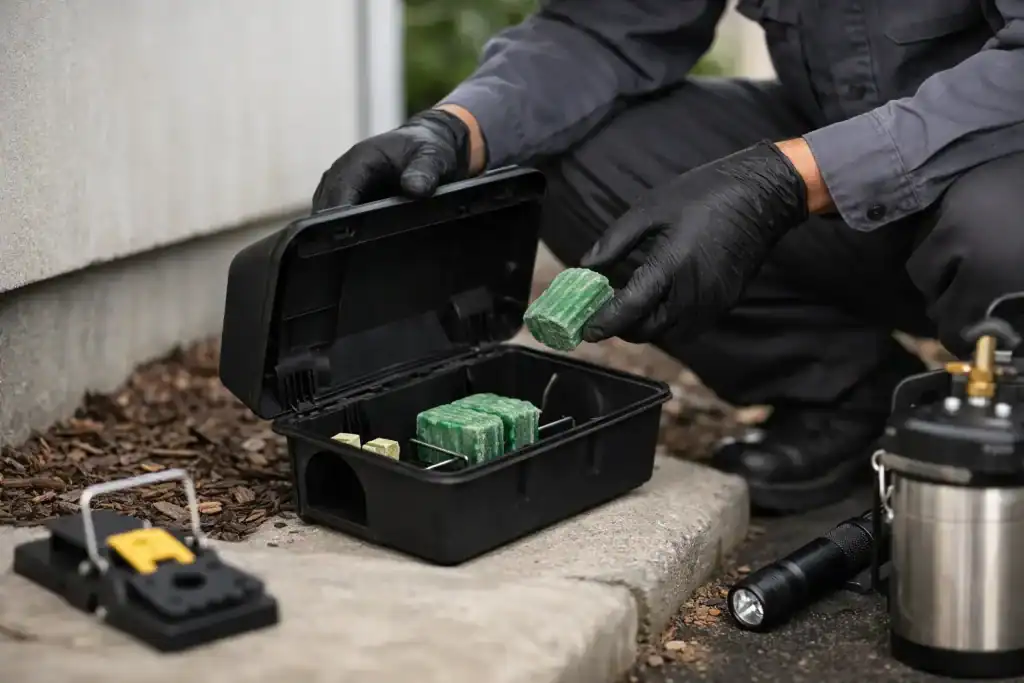
If you set and forget a rodent bait station, you can miss the very thing it is meant to control. How Often Should Rodent Bait Stations Be Checked? In most cases, every one to four weeks is the right range – but the safest and most effective schedule depends on pressure, location, weather, and who uses the property.
For families, pet owners and property managers, this is where baiting can go wrong. Check too rarely and rodents may keep feeding unchecked, bait may spoil, or stations may be damaged or moved. Check too often without a plan and you can waste time, disturb feeding patterns, or overlook the bigger issue – why rodents are there in the first place.
How often should rodent bait stations be checked in normal conditions?
A practical rule is to inspect new or active bait stations more often at the start, then reduce frequency once activity settles. In a home with recent rat or mouse activity, weekly checks are usually appropriate in the first few weeks. This allows you to confirm whether bait is being taken, whether stations are still secure, and whether fresh signs such as droppings, gnaw marks or nesting material are increasing or slowing down.
Once activity drops, many properties move to fortnightly or monthly checks. That is often enough for prevention-focused monitoring, especially where stations are in secure outdoor positions and there is no major food source attracting rodents.
Commercial sites, food businesses, strata properties and warehouses usually need a more structured schedule. These environments often have higher compliance expectations, more entry points and more constant food or rubbish pressure, so checks are commonly carried out every two to four weeks, and sometimes weekly if there is known activity.
Why the checking schedule matters
A bait station is not just a box with bait in it. It is part of a broader rodent management plan. Regular checks tell you whether rodents are feeding, whether the station is in the right place, and whether the amount of bait is enough for the level of activity.
They also help protect children, pets and wildlife. A damaged or unsecured station needs attention straight away. In environmentally sensitive areas, or around gardens and shared residential spaces, proper inspection matters just as much as the bait itself.
There is another reason checks matter: bait alone is rarely the full answer. If rodents still have easy access to pet food, overflowing bins, roof voids, subfloors or wall cavities, they may continue to cycle through the property. Good inspection intervals help identify whether the problem is reducing or simply shifting.
When weekly checks are the better option
Weekly inspections are usually best when an infestation is active or conditions are changing quickly. This includes homes where scratching sounds have recently been heard in the roof, kitchens with fresh mouse droppings, or commercial premises where rodents have been sighted during business hours.
You also want more frequent checks after a fresh baiting program begins. The first two to four weeks often tell the clearest story. Heavy bait take can indicate a larger population than expected. No bait take can mean the station is poorly positioned, there is a competing food source nearby, or the rodent species is behaving differently than assumed.
In warmer months, or after rain followed by dry weather, rodent behaviour can shift as they search for food and shelter. In parts of Sydney, especially around dense residential areas, bush edges and older buildings, rodent movement can increase quickly when weather or building conditions change.
When fortnightly or monthly checks are enough
Not every property needs close monitoring forever. If bait stations are part of an ongoing preventative program and there is little to no recent activity, checking every two to four weeks is often reasonable. This is common for well-maintained homes, low-risk strata sites and businesses that already have strong hygiene and proofing measures in place.
The key word is preventative. A low-activity property can still become high risk if bins are left open, building gaps appear, or neighbouring construction disturbs rodent harbourage. That is why even quieter sites should not be ignored for long periods.
A monthly check may suit outdoor stations placed around a building perimeter where the aim is to monitor rather than respond to a current infestation. Even then, the station should remain locked, intact and suitable for the environment.
What affects how often bait stations should be inspected?
The right schedule depends on several practical factors.
The first is the level of rodent activity. Fresh droppings, noises in the ceiling, grease marks on walls, gnawed packaging and visible sightings usually mean checks should happen more often.
The second is the location of the station. Outdoor stations near gardens, fences, storage areas or rubbish zones may need closer monitoring because they are more exposed to moisture, heat and disturbance. Indoor stations in roof voids, subfloors, garages and storerooms can also require regular checks if they sit near known runways.
The third is the type of property. A family home has different risks from a cafe, warehouse or childcare setting. Properties with higher foot traffic, food handling, stock storage or shared access typically need a tighter schedule.
The fourth is safety. Where children, pets or native wildlife may be nearby, stations must be checked to make sure they remain tamper-resistant and correctly positioned. This is especially important for households that want effective rodent control without relying on unnecessarily harsh chemical exposure.
Signs a bait station needs attention sooner
Sometimes the calendar matters less than what the station is telling you. If bait has been heavily consumed, the station should be checked and replenished sooner than planned. If the bait is wet, mouldy or covered in insects, it is no longer doing its job properly.
A station also needs prompt inspection if it has been knocked out of place, chewed, opened, flooded or buried by garden growth. After storms, landscaping work, renovations or rubbish collection changes, it is worth confirming stations are still secure and accessible.
If rodent signs continue even though bait remains untouched, that is a red flag. It may point to the wrong placement, poor sanitation, an entry point issue, or the need for a broader pest management approach rather than more bait.
Why DIY baiting often falls short
Many people assume more bait means faster results. In reality, poorly managed bait stations can create risk without solving the infestation. DIY setups are often placed in the wrong spots, checked too irregularly, or used without proper exclusion work.
Rodents are cautious. Rats in particular may avoid new objects or feed elsewhere if there is easier access to food. A professional inspection plan looks at behaviour, harbourage and access points, not just bait consumption.
This is where an environmentally responsible approach makes a real difference. The aim is to use the least amount of product needed, place it properly, and reduce the reasons rodents are on the property in the first place. That approach is better for families, pets and the surrounding environment.
A safer long-term plan for homes and businesses
The most effective bait station program combines scheduled checks with proofing and hygiene measures. Sealing gaps around pipes, doors, vents and roof entries can reduce pressure dramatically. So can better bin management, food storage and garden maintenance.
For businesses and strata properties, routine documentation and site-specific scheduling are just as important as treatment. One site may need weekly checks near bin rooms and monthly checks around the outer perimeter. Another may need intensified inspections after tenant turnover, building works or a spike in complaints.
For homes, the goal is usually simpler: stop the current issue, make the property less attractive to rodents, and keep stations monitored at a safe interval until confidence returns. A local team such as Clean & Green Pest Control will usually tailor that timing to the property rather than applying the same schedule everywhere.
The best answer is not the same for every property
So, how often should rodent bait stations be checked? Weekly checks are often best at the start of an active problem. Fortnightly or monthly checks may be enough once activity is under control or where stations are used for ongoing prevention.
What matters most is that the schedule matches the level of risk. If there are children, pets, shared spaces, food handling areas or signs of heavy rodent activity, leaving stations unchecked for long periods is not worth the gamble. A well-monitored bait station does more than hold bait – it tells you whether your rodent problem is shrinking, shifting or still growing behind the scenes.