
Why Are There Tiny Holes in My Clothes? Clothes Moths, Carpet Beetles or Something Else?
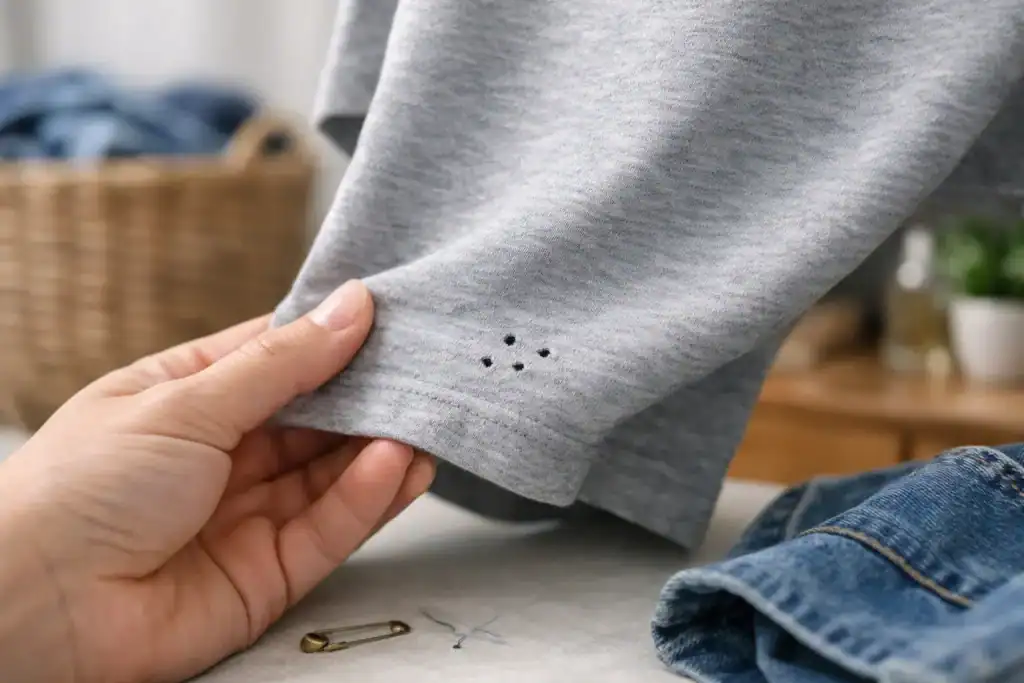
Finding pin-sized holes in a favourite T-shirt or knit can feel maddening, especially when they seem to appear out of nowhere. If you have been asking, Why Are There Tiny Holes in My Clothes, the answer is not always your washing machine. In many homes, small fabric holes come down to a mix of wear, laundering habits, and in some cases, hidden pest activity.
The tricky part is that tiny holes all look similar at first glance. A moth larva feeding on natural fibres can leave damage that looks a lot like friction wear or snagging from a zip. That is why it helps to look at the pattern, the fabric type, and where the holes are showing up before you assume the cause.
Why are there tiny holes in my clothes? Start with the pattern
The fastest way to narrow it down is to ask where the holes appear and what kinds of garments are affected. If the holes are mostly on the lower front of T-shirts, around the waistline, friction is often the culprit. Bench tops, belts, jeans buttons, and even the edge of a kitchen counter can repeatedly rub the same area until the fibres weaken.
If the holes show up in wool jumpers, silk items, cashmere, or stored blankets, pests become much more likely. Clothes moth larvae do not eat your cotton basics for fun. They are attracted to animal-based fibres such as wool, fur, felt, feathers, and silk, especially if those fabrics carry traces of sweat, food, skin oils, or pet hair.
If damage appears randomly across different fabrics after washing, then your laundry routine deserves a close look. Overloaded machines, rough zips, aggressive spin cycles, and harsh detergents can all contribute to small tears that become holes.
The most common non-pest causes
Before blaming insects, it is worth ruling out the everyday causes first. A lot of tiny holes have nothing to do with an infestation.
Friction is a big one. If you lean against the same bench while cooking, wear a belt buckle that catches your shirt, or carry a crossbody bag that rubs one point over and over, delicate fibres can break down. This is especially common with lightweight cotton tees.
Washing damage is another frequent cause. Clothes can snag on bra hooks, exposed zips, metal hardware, or rough seams from heavier garments. Fast spin cycles and tightly packed loads increase stress on the fabric. Dryers can make the problem worse by tumbling weakened fibres until they split.
Fabric quality also matters. Some fast-fashion items use thinner yarns or looser weaves that simply do not stand up well to repeated washing and wear. If the holes keep appearing in the same brand or type of garment, the construction may be part of the problem.
Then there is chemical damage. Strong stain removers, bleach, and even some skincare products can weaken fibres over time. This tends to show up as thinning, discolouration, or brittle patches rather than neat feeding holes, but it can still be mistaken for pest damage.
When pests are the real reason
If you are seeing holes mainly in natural fibres, especially in items stored for a while, clothes moths are high on the list. The adult moth is not the one doing the damage. It is the larvae that feed on keratin-rich materials found in animal fibres.
This is what catches many people out. You may never see obvious swarms or flying insects around your wardrobe. Adult clothes moths avoid light and often stay out of sight. The larvae can remain hidden in dark, undisturbed places such as the back of wardrobes, under furniture, in stored linen, or inside boxes of seasonal clothing.
Carpet beetle larvae can also damage fabrics. Unlike clothes moths, they may feed on a wider range of organic material, including lint, hair, feathers, leather, and dead insects. Their damage can look patchy and irregular, and you might notice shed skins near skirting boards, wardrobes, or under rugs.
For households with children and pets, this is where a careful approach matters. Spraying random products through wardrobes without knowing the pest can create unnecessary chemical exposure and still fail to solve the source of the problem.
Signs your clothes holes may be caused by moths or carpet beetles
The holes themselves are only one clue. Pest-related fabric damage usually comes with a few supporting signs.
You might notice damage concentrated in wool, cashmere, silk, felt, doonas with feather filling, or stored winter clothes. You may also find fine webbing, tiny gritty droppings, shed larval skins, or small bare patches in rugs and carpet edges. Some people spot tiny cream-coloured larvae or striped, bristly carpet beetle larvae near wardrobes or window sills.
Another clue is location. Pest damage often starts in quiet, dark, undisturbed areas. The back of a built-in wardrobe, a storage tub in the garage, or a spare room cupboard are classic trouble spots. In humid coastal conditions, including homes around Sydney’s Northern Beaches, stored fabrics can be more vulnerable if wardrobes are poorly ventilated.
How to tell moth damage from wear and tear
There is no single perfect test, but a few differences help.
Wear-and-tear holes usually show up in predictable spots – waistlines, underarms, elbows, or wherever fabric rubs against hardware or surfaces. They are common in cotton and blended everyday clothing. You may also see stretched fibres or thinning around the hole.
Moth or beetle damage is more likely in natural fibres and stored items, and the holes can appear in less obvious places. The damage may look scattered or clustered, and there may be more than one affected item in the same storage area.
If only one or two T-shirts have holes at the front near the waistband, think friction first. If several wool items in the same wardrobe have unexplained holes, think pests.
What to do if you suspect pests
Act early. Fabric pests rarely disappear on their own, and the longer they stay hidden, the more damage they can do.
Start by isolating affected items. Wash, dry clean, or heat-treat clothes according to their care label. For some items, a hot wash or time in a hot dryer can help, but delicate fabrics may need dry cleaning or careful freezing. Vacuum wardrobes, carpet edges, under beds, and skirting boards thoroughly. Empty the vacuum outside straight away.
Next, reduce what attracts them. Dirty clothes, pet hair, lint, and undisturbed clutter create ideal conditions. Store clean garments only, and use sealed containers for seasonal woollens or delicate fabrics.
If you continue seeing new holes, larvae, shed skins, or damage in multiple areas, it is time for a proper inspection. A professional can identify whether you are dealing with clothes moths, carpet beetles, or something else entirely, then recommend treatment that is effective without being harsher than necessary.
How to prevent tiny holes in clothes
Prevention works best when you tackle both fabric care and pest risk.
Wash delicate garments inside wash bags, zip up items before laundering, and avoid overloading the machine. Keep rough hardware away from softer fabrics, and use gentler cycles for knits and lightweight clothing. Air drying can be kinder than high-heat tumble drying for fragile fibres.
For storage, make sure clothing is clean before it goes away. Vacuum wardrobes and storage areas regularly, especially corners and skirting boards. Natural-fibre garments should be stored in sealed tubs or garment bags if they will sit unused for months.
It also helps to keep an eye on low-traffic rooms, cupboards, and under-bed storage. Pests favour quiet spaces where they can go unnoticed. A quick seasonal check can save a lot of clothing.
When expert help makes sense
If you have ruled out washing and friction, but the holes keep appearing, there may be an underlying pest issue in the home. This is especially true if fabric damage is spreading to rugs, upholstered furniture, or stored linen.
A professional pest inspection gives you a clearer answer than guesswork. For families, renters, and property managers, that means less damage, less wasted money replacing clothes, and less risk of using unsuitable sprays around children, pets, or sensitive indoor areas. At Clean & Green Pest Control, that kind of practical, safety-first approach is central to solving pest problems without creating new ones.
Tiny holes in clothes are frustrating, but they are rarely random. Once you identify whether the cause is friction, laundry damage, poor-quality fabric, or hidden pests, the fix becomes much simpler – and your wardrobe has a much better chance of staying intact.