Best Pest Control for Families at Home
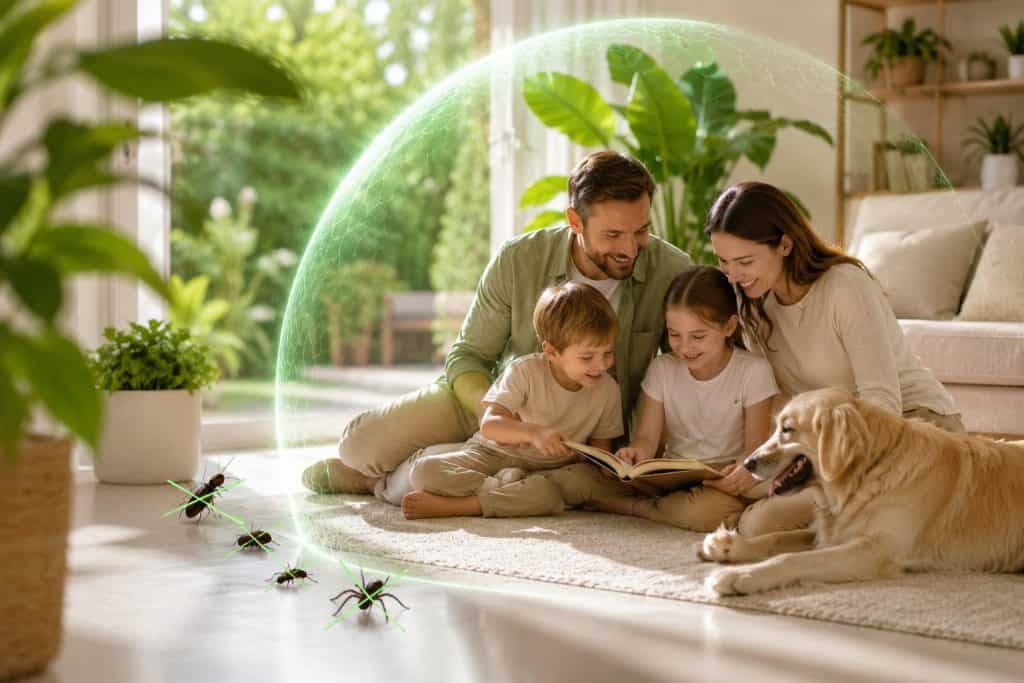
The moment you spot cockroaches in the kitchen or ants tracking across the bench, the question changes fast. It is no longer just about getting rid of pests. It is about finding the best pest control for families – something that works properly without leaving you worried about your kids, pets, or the air inside your home.
For most households, that rules out a one-size-fits-all spray-and-go approach. Families need pest control that is effective, carefully chosen, and clearly explained. The right service should solve the immediate problem, reduce the chance of pests returning, and do it in a way that respects the people and animals living on the property.
What the best pest control for families actually looks like
Family-safe pest control is not the same as weak pest control. That is one of the biggest misconceptions homeowners have. Effective treatment can still be low-tox, targeted, and environmentally responsible when the job is assessed properly and the right products are used in the right places.
The best approach usually starts with inspection, not chemicals. A good technician looks at where pests are nesting, how they are getting in, what is attracting them, and whether there are vulnerable people or animals in the home. That could mean toddlers crawling on the floor, a dog that licks surfaces, or a family member with asthma or skin sensitivities.
From there, treatment should be tailored. In some homes, gel baits and crack-and-crevice treatments are far more suitable than broad surface sprays. In others, entry-point treatment and habitat reduction outdoors make the biggest difference. If termites, ticks, possums, or birds are involved, the strategy changes again because each pest comes with different risks and legal or safety considerations.
Why harsh treatment is not always the best choice
When families are stressed by a pest problem, it is understandable to want the strongest option available. But stronger is not always smarter.
Overuse of harsh chemicals can create unnecessary exposure indoors, especially in bedrooms, living areas, and places where children play. It can also miss the real cause of the issue if food sources, moisture, garden conditions, or building gaps are left untouched. You might get a quick drop in pest activity, only to find the same problem back a few weeks later.
A better result often comes from precision. Low-tox and plant-derived products, applied in targeted areas by an experienced technician, can deliver solid control while reducing unnecessary chemical load around the home. That balance matters for families who want peace of mind, not just a short-term fix.
Common household pests and the safest way to manage them
Cockroaches are one of the most common issues in family homes. They spread bacteria, trigger allergies, and are particularly active around kitchens, laundries, and warm storage areas. For families, gel baits, targeted treatment to harbourage areas, and sanitation advice are often safer and more effective than heavy indoor spraying.
Ants can seem minor until they keep returning to pantries, pet bowls, or bathrooms. Wiping away a trail rarely solves the nest. Professional ant control usually works best when the colony is identified and treated at the source, rather than just the visible line of activity.
Spiders raise a different concern. In many cases, the fear is as much about surprise and safety as the actual number of spiders present. Family-focused spider control usually combines exterior barrier treatments, web removal, and reducing outdoor harbourage such as stacked timber, clutter, and heavy vegetation close to the house.
Ticks need special attention in homes with children and pets. They are not just a nuisance. They can pose a genuine health risk, particularly in bush-adjacent suburbs and yards with dense shade or leaf litter. Tick management often requires a broader plan that includes yard treatment, habitat adjustment, and advice on keeping pets and family members safer outdoors.
Termites are different again because the danger is structural. You may not see them until the damage is already costly. For families, the safest termite strategy is early detection through regular inspection and targeted treatment where needed, rather than waiting for obvious signs.
How to choose a family-safe pest control service
The best pest control for families is not defined by marketing claims alone. It shows up in the way the service is delivered.
Start with the conversation. A reliable provider should be willing to explain what they have found, what treatment they recommend, where it will be applied, and what precautions are needed before and after the visit. If you have children, pets, or specific health concerns, that discussion should shape the treatment plan rather than being treated as an afterthought.
It also helps to look for a provider that offers more than just eradication. Prevention advice matters. So does honest guidance about when a one-off treatment is enough and when ongoing management makes more sense. Some homes have seasonal issues, while others are affected by building design, nearby bushland, damp conditions, or shared strata environments.
For households across Sydney, especially in areas where termites, ticks, cockroaches, and spiders are common, local knowledge makes a real difference. A technician who understands the pest pressures in your area is more likely to recommend the right solution the first time.
Questions families should ask before booking
Before any treatment goes ahead, it is worth asking a few practical questions. Are the products low-tox or family-safe when used as directed? Will children or pets need to stay out of treated areas for a period? Are wildlife-safe methods available if the issue involves possums or birds? Will the technician explain what to do before they arrive and after they leave?
These are not difficult questions, and a professional company should answer them clearly. If the answers are vague, rushed, or overly sales-driven, that is usually a sign to keep looking.
Transparent pricing matters too. Families should know what is included, whether follow-up is needed, and what result the service is designed to achieve. Pest control should feel straightforward, not confusing.
Prevention is part of the best pest control for families
Even the best treatment works better when the home itself is less inviting to pests. That does not mean families need to live in a spotless display home. It means paying attention to a few high-impact areas.
Food should be sealed where possible, pet bowls should not sit out overnight, and rubbish should be emptied regularly. Moisture is another big one. Leaking taps, poor drainage, and damp subfloors attract a surprising range of pests. Outdoors, overgrown gardens, stored materials against external walls, and leaf build-up can all create shelter.
This is also why family pest control should never be sold as a mystery formula. Good operators explain the conditions supporting the infestation and show you what will help reduce future activity. That kind of clarity is part of the service.
When eco-friendly pest control is the better fit
Eco-friendly pest control is not about choosing the gentlest option at the expense of results. It is about using the least intrusive method that still gets the job done properly.
For many families, that is the right fit. Homes with babies, pets, elderly residents, or people sensitive to strong odours often benefit from lower-tox, more targeted treatment methods. The same goes for properties where native wildlife is nearby and broad chemical use outdoors is not ideal.
At the same time, there are situations where stronger intervention is needed. Severe infestations, large termite activity, or persistent commercial-grade pest pressure may require a more intensive response. A trustworthy pest professional will be upfront about that and explain why, rather than pretending every job has the same answer.
That balance is what families should look for – care, precision, and enough experience to know when to escalate and when not to.
What peace of mind really comes from
Families rarely want pest control for the sake of it. They want to stop the scratching in the roof, the bite risk in the backyard, the roaches in the kitchen, and the stress that comes with not knowing whether the treatment is safe.
That is why the best service is not just about pest removal. It is about trust. It is about having a technician arrive when promised, explain the process in plain language, use suitable treatment methods, and leave you feeling that your home is protected rather than heavily dosed.
For many households, that is exactly what makes a local, safety-focused provider such a better fit. Clean & Green Pest Control has built its approach around that reality – effective pest management that respects family life, pets, and the environment around the home.
If you are weighing up your options, look for a service that treats your household as more than a pest problem to be processed. The right pest control should leave your home calmer, safer, and easier to enjoy.