Green Pest Control Trends for Safer Sydney Homes
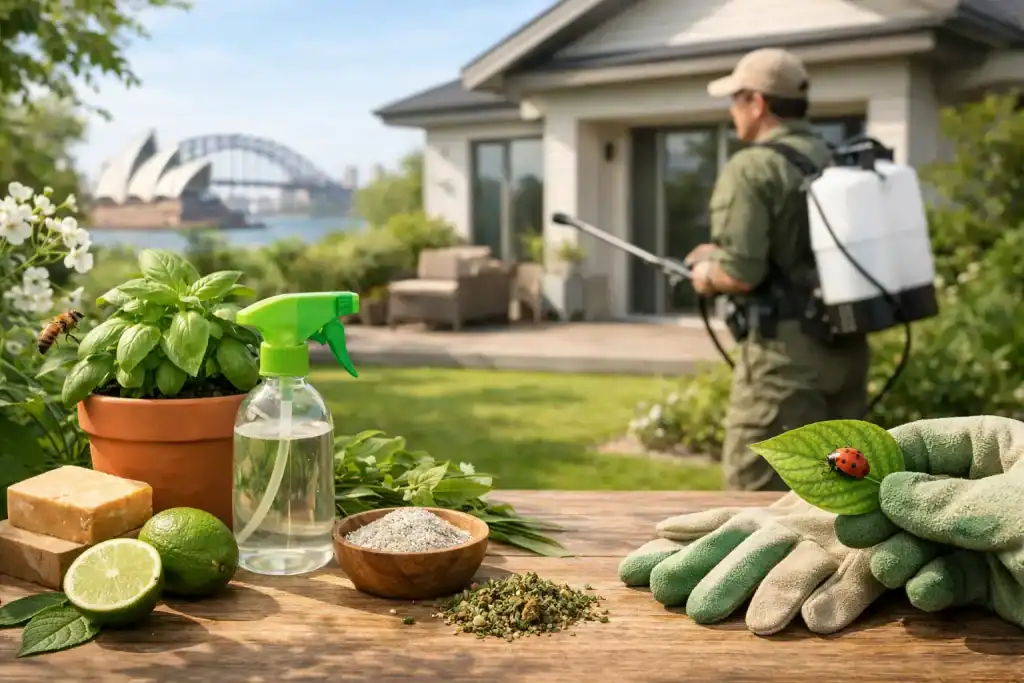
A cockroach trail behind the toaster, a tick found on the dog or fresh termite damage near a skirting board can make any household want a quick fix. Yet many Sydney families are asking a better question before treatment begins: how can we remove the pest without adding unnecessary chemical risk around children, pets and native wildlife? Green pest control trends are responding to that concern with more targeted, prevention-led and environmentally responsible ways to protect a property.
Green pest control is not about accepting pests in the name of sustainability. It is about using the right method, in the right place, at the right time – and avoiding broad treatment where a lower-impact option will do the job safely and effectively.
Why green pest control trends matter
For years, pest control was often judged by one simple measure: how quickly a chemical could knock down visible insects. Fast results still matter, especially when ants have taken over a kitchen or cockroaches are affecting a food business. But residents and property managers now rightly expect more. They want to know what is being used, whether a pet needs to stay away from treated areas, and how the treatment will affect the surrounding environment.
That shift is especially relevant in Sydney, where homes commonly sit close to bushland, waterways and wildlife corridors. A treatment that is appropriate for a sealed indoor crack may not be suitable near a vegetable patch, a pet bowl or an area visited by birds and possums. A greener approach considers those differences rather than treating every pest problem as identical.
It also recognises that repeated spraying alone rarely fixes the reason pests arrived. Moisture, food scraps, gaps around pipes, overflowing bins and overgrown garden edges can keep attracting pests after any initial treatment has worn off. Long-term control starts with reducing those conditions.
Trend 1: Prevention before routine spraying
The most useful change in modern pest management is a stronger focus on prevention. This is often called integrated pest management, but the idea is straightforward: inspect first, identify the pest accurately, remove what is attracting it and then choose the least intrusive effective treatment.
For a home, that might mean sealing gaps around plumbing, repairing flyscreens, storing pantry goods in airtight containers and keeping pet food off the floor overnight. Outdoors, it can involve clearing leaf litter, trimming vegetation away from walls, managing standing water and keeping rubbish bins clean and closed.
This approach is not a promise that no treatment will ever be needed. Established cockroach infestations, active termite activity and severe ant trails may require professional products and precise application. The difference is that treatment becomes part of a plan, not the entire plan. Fewer unnecessary applications can mean less exposure, better value and a lower chance of the same issue returning weeks later.
Prevention is different for every property
A ground-floor unit with shared rubbish areas has different pest pressure from a freestanding home beside bushland. A café must manage food storage and cleaning routines differently from a strata complex with common gardens and plant rooms. Effective green pest control begins with a site-specific assessment, not a one-size-fits-all package.
Trend 2: Targeted low-toxicity treatments
Another key development is the wider use of targeted products and application methods. Depending on the pest and setting, this can include baits placed in secure locations, gels applied to narrow harbourage areas, low-toxicity formulations, physical traps and plant-derived options where suitable.
Targeted methods are particularly valuable for cockroaches and ants. Rather than treating every surface in a kitchen, a technician may focus on the cracks, voids and travel paths where pests live or forage. This can reduce the amount of product used while improving contact with the actual pest population.
Low-tox does not mean risk-free, and natural does not automatically mean safe for every animal or every situation. Essential-oil-based products, for example, may be useful in some applications but can still affect pets if used incorrectly. The right professional will explain the product choice, required drying or exclusion time, and any preparation needed before treatment.
For families, the practical benefit is clarity. You should know whether children and pets need to be out of an area, when it is safe to return, and what simple steps will help the treatment work.
Trend 3: Protecting beneficial insects and native wildlife
Green pest management increasingly looks beyond the target pest. Bees, ladybirds, spiders, birds and other animals play a role in local ecosystems, even when some species are unwelcome inside a home.
This is why careful identification matters. Not every insect needs removal. A solitary native bee near the garden is very different from a wasp nest at a front entrance, and a harmless garden spider is different from a dangerous spider in a child’s play area. Treatment should match the real risk, not fear or guesswork.
Wildlife-safe practices are also becoming more important for possum and bird issues. Possums are protected native animals, so removal and exclusion must be handled lawfully and humanely. The goal is usually to identify the entry point, allow the animal to leave safely and then prevent re-entry, rather than create harm or simply move the problem elsewhere.
For birds, prevention may include proofing ledges or roof spaces, managing food sources and using appropriate deterrents. These measures can protect buildings while avoiding cruel or indiscriminate methods.
Trend 4: Smarter monitoring for termites and recurring pests
Green pest control is not limited to products. Better monitoring is reducing the need for reactive treatment. This is particularly valuable for termites, which can remain hidden behind walls, under floors or within timber for long periods.
Regular inspections, moisture checks and modern detection methods help identify favourable conditions and early warning signs before serious damage occurs. Termite management can still require specialised systems or treatments, because the stakes are high and the species involved matters. However, an inspection-led strategy gives homeowners a clearer picture of risk and can prevent unnecessary work.
The same principle applies to recurring cockroaches, rodents and ticks. Monitoring tells a technician whether activity is isolated, seasonal or linked to a particular part of the property. For example, tick control around a home may involve managing dense vegetation, clearing leaf litter and focusing treatment on likely harbourage zones rather than treating the entire yard without purpose.
Trend 5: Clearer communication and accountable service
A greener service is also a more transparent service. Customers are increasingly asking what will happen during an appointment, how long it will take, which areas will be treated and what they can do afterwards. Those are sensible questions, not inconvenient ones.
Good pest management includes plain-language advice about preparation, safety and expected results. Some pests may be seen more often immediately after treatment as they leave harbourage areas. Baits may take time to work through a colony. Exclusion work may need follow-up if a building has multiple access points. Honest expectations help people make informed decisions and avoid mistaking a realistic treatment process for a failure.
For strata managers and commercial sites, communication also supports compliance and continuity. Clear reporting, documented recommendations and planned maintenance can reduce disruption for residents, staff and customers.
What to look for in an environmentally responsible provider
When choosing a pest controller, look beyond labels such as “eco-friendly”. Ask how the pest will be identified, why a particular treatment is recommended and whether non-chemical prevention is part of the plan. A professional should be willing to discuss pet and child safety, wildlife considerations, likely follow-up needs and transparent pricing.
It is also worth asking whether the technician understands local conditions. Coastal humidity, bushland boundaries, older homes, shared strata spaces and warm summer weather all influence pest activity across Sydney. Local knowledge helps turn general advice into practical protection.
Clean & Green Pest Control takes this balanced approach seriously: prompt, tailored pest management that protects homes and workplaces while limiting unnecessary chemical exposure.
The best green pest control trend is not a fashionable product or a vague promise. It is the move towards thoughtful decisions – preventing access, treating accurately, protecting the people and animals around the property, and checking that the solution continues to work.