
How to Stop Birds Nesting Around Your Home
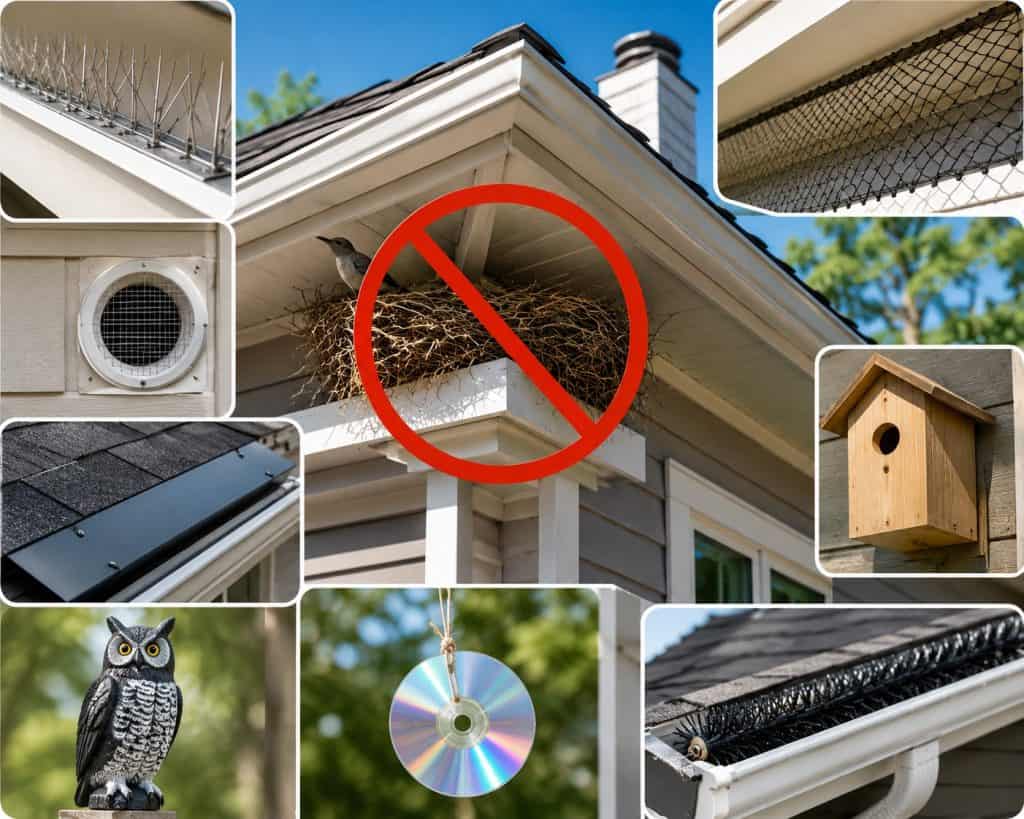
A small pile of twigs in the gutter can turn into blocked downpipes, noisy mornings and a real clean-up job faster than most people expect. If you are looking for how to stop birds nesting, the key is to act early, use humane prevention methods and make your home less attractive before eggs or chicks are present.
Birds are a normal part of life in Australian suburbs, and many native species are protected. That means prevention matters far more than removal after a nest is established. For homeowners, renters and property managers, the safest approach is usually a mix of habitat changes, physical proofing and a careful check of what is legally allowed.
Why birds keep choosing the same spots
Birds nest where they feel sheltered, stable and close to food or water. Around homes, the usual trouble spots are roof voids, gutters, solar panels, eaves, vents, signs, beams, carports and ledges. These areas are dry, elevated and often protected from wind and predators.
Once a bird has nested successfully in one spot, it may return the next season. Even if it does not, other birds may follow because the site already looks safe. Nesting material left behind can also attract mites, lice and droppings, which creates a bigger hygiene issue than the nest alone.
This is why quick action helps. A half-built nest is much easier to deal with than an active one.
How to stop birds nesting before it starts
The most effective bird control is prevention. You do not need to make your property hostile. You simply need to remove the easy nesting opportunities.
Start by inspecting the home from the ground. Look for repeat activity around gutters, under roof edges, above air conditioning units, inside open sheds and around solar panels. You are watching for birds carrying twigs, repeated perching, droppings under one area or chirping from cavities.
Then reduce what is attracting them. Trim back dense branches touching the roof, clear out old nesting material, and keep pet food, chicken feed and open rubbish secured. If birds are feeding nearby, they are much more likely to settle nearby as well.
Physical exclusion is usually the most reliable option. Fine mesh over vents, gaps and cavities can stop access without harming the birds. Gutter guards can help where species are building directly into leaf-filled gutters. Under solar panels, properly fitted mesh often solves the issue by blocking the shaded gap birds like to use.
For ledges and beams, deterrents such as bird spikes or tensioned wire can work well, but only when installed correctly for the species and surface involved. If they are poorly placed, birds simply move 20 centimetres to the side and carry on.
Problem areas that need bird-proofing
Roofs, eaves and gutters
These are among the most common nesting zones because they offer height and cover. If your gutters regularly collect leaves, they become even more attractive. Regular roof and gutter maintenance can make a major difference, especially before spring.
Check for loose tiles, openings into the roof void and sheltered corners under eaves. Sealing these entry points with suitable materials can prevent both bird nesting and other pest issues.
Solar panels
Pigeons in particular love the protected space beneath solar panels. The nesting material can create mess, odour and even fire risk if debris builds up around electrical components. The fix is usually exclusion mesh fitted around the panel edges, allowing airflow while blocking access.
Vents, warehouses and commercial buildings
Businesses and strata properties often deal with birds nesting around signage, rafters, loading zones and exhaust structures. In these settings, the concern is not just noise or mess. Bird droppings can create slip hazards, damage surfaces and raise hygiene concerns.
A tailored approach works best here because every building has different access points and compliance needs.
What not to do when trying to stop birds nesting
A lot of store-bought bird deterrents sound good but deliver mixed results. Plastic owls, reflective tape and noise devices may work briefly, then stop working once birds realise there is no real threat. They can still be useful as part of a broader strategy, but rarely solve an established problem on their own.
It is also a mistake to wait until a nest is active and then try to remove it yourself. In Australia, many birds, nests, eggs and chicks are protected under wildlife laws. Disturbing them can be unlawful, aside from the safety risk of climbing onto roofs or working near electrical fittings.
Avoid using glue, poison or harmful traps. These methods are not consistent with wildlife-safe pest control and can create unnecessary suffering, legal issues and secondary risks for pets or native animals.
It depends on the bird species
Not every bird behaves the same way, so the right solution depends on what you are dealing with. Pigeons often return to the same roosting and nesting sites and respond well to proofing measures like spikes, mesh and habitat reduction. Mynas are persistent cavity nesters and may exploit roof gaps, vents and wall voids. Small birds may squeeze through surprisingly narrow openings, which means mesh size and installation quality matter.
There is also a difference between nuisance birds and protected native species. If the birds are native, the legal and ethical response is usually to wait until nesting is complete, then bird-proof the area to prevent re-entry. That can be frustrating when the mess is building up, but it is often the correct path.
If you are unsure what species you are dealing with, getting advice early can save you from doing the wrong thing.
Safe, family-friendly ways to manage bird activity
For households with kids and pets, low-risk prevention is usually the priority. The good news is that effective bird control does not usually rely on harsh chemicals. In most cases, it is about exclusion, sanitation and site modification.
That means cleaning droppings carefully, removing attractants, repairing access points and installing deterrents that prevent landing or nesting. Where a professional is needed, look for someone who can explain exactly what will be used, how it will be installed and whether the method is safe around children, pets and native wildlife.
This matters even more in close-knit suburban areas where birds move between neighbouring roofs and gardens. A short-term fix on one property can fail if the surrounding conditions still invite nesting. Sometimes the best result comes from treating the issue as an ongoing property maintenance problem rather than a one-off event.
When professional help makes sense
If birds are nesting high on the roof, inside solar panels, in a commercial site or in any area involving height, wiring or difficult access, it is usually safer to bring in a professional. The same goes for repeat infestations, large amounts of droppings or situations where you suspect mites or other parasites have spread indoors.
A proper inspection should identify where birds are entering, what is attracting them and which prevention method suits the structure. The right fix is not always the cheapest upfront, but it is often the most cost-effective over time because it stops repeat clean-ups and property damage.
For homes and businesses across Sydney, especially in leafy coastal and suburban areas where bird pressure can be constant, local experience helps. Different building styles and nearby habitat can change what works.
How to stop birds nesting for the long term
Long-term success comes from timing and consistency. The best time to bird-proof is before breeding season or as soon as you notice early nesting behaviour. Once active nesting begins, your options narrow.
Make a habit of seasonal checks around gutters, rooflines, sheds and solar panels. Remove old debris, fix small gaps before they become entry points, and do not ignore the first signs of repeated perching or twig-carrying. Those early clues are often the easiest point to intervene.
If you want a bird-free property without putting wildlife at risk, think in terms of prevention rather than punishment. A home that offers fewer sheltered gaps, less food and fewer easy ledges is simply less appealing to nest in.
The aim is not to get rid of birds altogether. It is to keep them out of the places where they cause damage, noise and hygiene problems, while protecting your home in a way that is safe, sensible and sustainable. If you act early and use the right proofing, you can usually stop the next nest before it starts.