
Termite Treatment Cost Sydney: Chemical Barriers vs Baiting Systems (2026 Guide)
A small patch of hollow timber or a few discarded wings can turn into a very expensive problem fast. When people search termite treatment cost Sydney, what they usually want is a straight answer: how much will it cost, what changes the price, and how do you avoid paying twice for a treatment that does not solve the problem.
The honest answer is that termite treatment pricing in Sydney varies a lot because no two infestations are exactly the same. The size of the property, the type of termite activity, how accessible the affected area is, and the treatment method all play a part. What matters most is not finding the cheapest quote. It is finding the right treatment that stops active termites and helps protect the property from further damage.
What affects termite treatment cost in Sydney
The biggest cost factor is the type and extent of the termite problem. A localised issue caught early in a door frame or skirting board is very different from widespread activity under flooring, inside wall cavities, or across multiple areas of a home. The more extensive the infestation, the more time, materials, and follow-up work are usually required.
Property size also matters. A freestanding house with a large footprint generally needs more treatment product and more labour than a small house. If there are subfloors, tight crawl spaces, retaining walls, garden beds against the home, or extensions with difficult access, treatment can become more complex.
Construction style is another major factor. Homes built on slabs may require drilling and injection in certain areas. Older properties with raised floors can present different treatment opportunities, but they can also reveal more concealed damage. Commercial sites and strata properties often involve extra compliance, coordination, and reporting, which can affect overall cost as well.
Then there is the treatment method itself. Termite baiting systems, chemical soil barriers, foam treatments, dust treatments, and targeted timber treatments all sit at different price points. In some cases, a single method is enough. In others, the most effective approach combines immediate control of active termites with a longer-term protective barrier.
Typical termite treatment cost Sydney homeowners may see
As a general guide, localised termite treatments often start from a few hundred dollars, while more comprehensive termite work can run into the low thousands. Full termite barrier systems for larger homes can cost more again, especially where the site layout is difficult or the installation requires extensive drilling, trenching, or multiple bait stations.
That broad range can feel frustrating, but it reflects real differences in the work involved. A quote for $1850 and a quote for $6000 may both be reasonable if they are for completely different situations. One may cover a small targeted treatment only. The other may include inspection findings, active colony management, barrier installation, and follow-up monitoring.
This is why a proper inspection matters before pricing is finalised. Any company offering a fixed termite treatment price without understanding the property and the termite activity is making assumptions. That is risky for the customer and often leads to under-treatment or surprise extras later.
The main treatment options and how they change price
Termite treatments are priced differently because they work differently. The right option depends on whether there are active termites, how they are entering the structure, and what level of ongoing protection the property needs.
Localised treatments
These are used when termite activity is confined to a specific area and can be directly accessed. This might involve foam, dust, or a targeted treatment to affected timber. It is often the lower-cost option upfront, but it is not always enough on its own. If the source of entry is still present elsewhere around the property, termites can return through another path.
Termite baiting systems
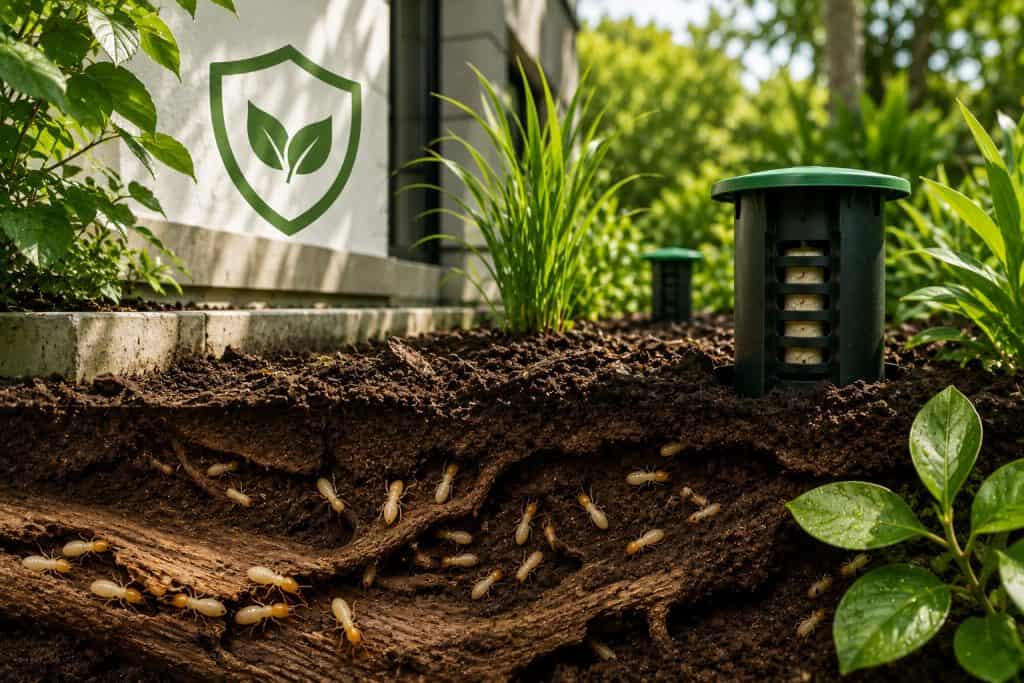
Baiting systems are designed to target the colony by placing bait stations in strategic areas around the property or directly at active sites. These systems can be very effective, especially where a chemical barrier is not practical. Costs usually include installation and ongoing monitoring, so the upfront price may be moderate to high depending on the number of stations and follow-up visits required.
Chemical soil barriers
A chemical barrier is one of the most common forms of long-term termite protection. It creates a treated zone around the structure to reduce the chance of concealed termite entry. Pricing depends heavily on the perimeter size, the ground conditions, and whether concrete paths, driveways, or internal slab areas need drilling. For many homes, this is one of the more significant termite treatment investments, but it can provide strong long-term value when installed correctly.
Combined termite management
In some cases, the best result comes from combining methods. For example, active termites may be treated first, followed by a barrier or baiting system to protect the property over time. This can increase the initial cost, but it also reduces the risk of leaving the job half done.
Why the cheapest quote can cost more later
With termites, cutting corners is expensive. A very low quote sometimes covers only the visible activity and not the broader risk around the home. If the colony is still active elsewhere, or if there is no real prevention plan, the termites may simply relocate and keep feeding.
It is also worth checking what is actually included. Some quotes cover treatment only. Others include an inspection report, moisture findings, recommendations for reducing termite risk, or follow-up checks. Those details matter because termites are not just a one-visit issue. Effective management usually involves both treatment and prevention.
For families, pet owners, and strata managers, there is another consideration: product choice. Not all termite treatments are the same in how they are applied or how they fit with a low-tox, environmentally responsible approach. A provider should be able to explain what is being used, where it is being used, and why it is suitable for the site.
What should be included in a termite treatment quote?
A clear quote should explain the scope of work in plain language. At a minimum, you should know whether the price covers treatment of active termites only, installation of a barrier or baiting system, follow-up visits, and any monitoring or maintenance requirements.
It should also outline site-specific conditions that affect cost. If access is limited, if concrete drilling is required, or if there are sections of the property that cannot be treated without additional work, that should be stated upfront. Honest communication here saves a lot of confusion later.
You should also expect guidance on what happens next. That may include repair timing, whether a follow-up inspection is needed, and what changes around the home could reduce future termite risk, such as fixing leaks, improving ventilation, or keeping garden beds and timber away from the structure.
How to keep termite costs down without taking risks
The most cost-effective termite treatment is early treatment. Once termites have had time to spread, repair costs can dwarf the treatment cost itself. Regular termite inspections are one of the simplest ways to avoid a much bigger bill later.
Moisture control also makes a difference. Leaking taps, poor drainage, damp subfloors, and blocked gutters all create conditions that termites like. Reducing moisture will not replace professional treatment, but it can lower the risk of repeat problems.
If you are managing a rental, strata property, café, office, or family home, prevention is usually better value than waiting for visible damage. A property with an established protection plan is generally easier and cheaper to manage than one treated only after a major infestation is discovered.
Is termite treatment worth it for Sydney properties?
In a word, yes. Sydney properties face ongoing termite pressure because of climate, vegetation, and the age and variety of local building styles. Timber structures, subfloors, landscaped gardens, and moisture-prone areas all create opportunities for termites to move in quietly.
The real question is not whether treatment is worth it, but which treatment is worth it for your property. A newer home on a slab may need a different strategy from an older weatherboard house or a multi-unit strata site. That is why tailored advice matters more than generic pricing.
At Clean & Green Pest Control, the focus is on safe, effective termite management that protects homes and workplaces without adding unnecessary chemical risk for children, pets, or the surrounding environment. For many customers, that balance of proven results, clear pricing, and thoughtful treatment is just as important as the number on the quote.
If you are comparing termite treatment cost Sydney providers, look beyond the first dollar figure. The right service should explain the problem clearly, recommend a treatment that fits the property, and help you prevent the next infestation – not just the current one.