Why North Shore Homes Are at High Risk of Termites
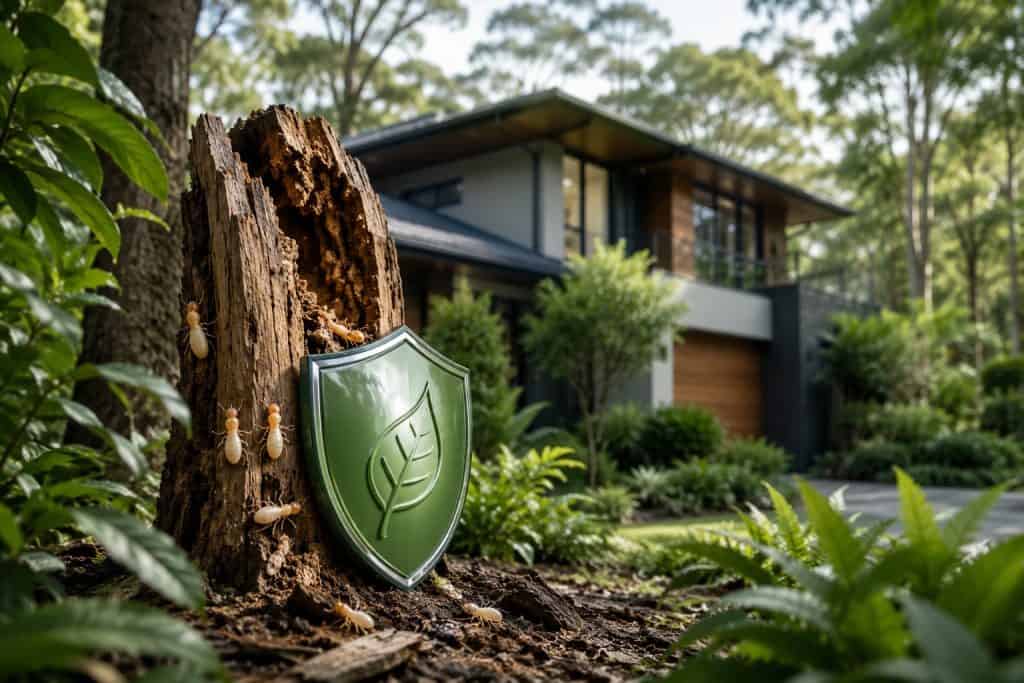
Termites rarely make a grand entrance. More often, they stay hidden inside walls, subfloors and timber frames until the damage is expensive. That is why termite treatment North Shore homeowners choose should never be based on the cheapest quote alone. It needs to be effective, suited to the property, and safe for families, pets and the surrounding environment.
On the North Shore, termite pressure is a real concern because many homes sit close to bushland, mature trees and moisture-prone areas. Add in older timber structures, landscaped gardens and subfloor access issues, and treatment is rarely one-size-fits-all. A proper solution starts with understanding how termites are getting in and what conditions are helping them stay.
Why termite treatment on the North Shore needs a tailored approach
Two houses in the same street can need completely different termite management. One may have active termites entering through concealed expansion joints. Another may have no current activity but high risk because of poor drainage, timber garden edging against the home, or damp areas under the house.
That is why treatment should follow inspection, not guesswork. A thorough termite inspection identifies active workings, entry points, damage, moisture issues and construction features that affect treatment options. Without that step, even a strong treatment can miss the real problem.
The main termite treatment options
For most properties, termite treatment falls into two broad categories: baiting systems and chemical soil barriers. Both can work well, but the right choice depends on the building design, the extent of activity and access around the home.
Baiting systems
Bait stations are placed in the ground or around active areas to attract foraging termites. The termites feed on the bait and carry it back to the colony. This can reduce or eliminate the colony over time.
Baiting is often useful where a full chemical barrier is not practical, such as homes with drainage issues, hard landscaping, limited access, or construction details that make soil treatment difficult. It is also a more targeted option, which can suit households looking for lower-tox approaches.
The trade-off is speed and maintenance. Baits need monitoring, and they do not create the same immediate treated zone around the structure that a barrier does.
Chemical soil barriers
A soil barrier involves applying a registered termiticide around the home to create a treated zone. When installed correctly, it helps stop concealed termite entry and offers long-term protection.
This option is often preferred when access is good and the goal is strong structural protection. Modern products can be low odour and designed for long residual performance, but the treatment still needs to be applied carefully by a licensed technician who understands the property layout, drainage and safety requirements.
The limitation is that some homes simply do not allow for a continuous barrier. Paths, slabs, retaining walls and extensions can all affect coverage.
What a good termite treatment service should include
A quality service should be clear from the start. You should know what was found, which treatment is recommended, why it suits your property and what follow-up is required. If that is not explained in plain language, it is hard to know what you are paying for.
A proper service usually includes inspection findings, treatment recommendations, a clear scope of works, safety advice and ongoing monitoring or reinspection guidance. For active infestations, it should also address the risk of hidden entry points and the need for future checks.
This matters because termite treatment is not just about killing what is there today. It is about reducing the chance of another infestation six or twelve months from now.
Family-safe and environmentally responsible treatment matters
Many households want termite protection without harsh, unnecessary chemical exposure. That is a reasonable concern, especially where children, pets or native wildlife are part of daily life.
The good news is that termite management can be effective and safety-focused at the same time. Low-tox and carefully selected treatment methods, combined with precise application and honest advice, can reduce risk without compromising results. Clean & Green Pest Control takes this approach because protecting the home should not create a new problem inside it.
Signs you should not ignore
Sometimes the early warnings are subtle. You might notice mud tubes along piers or walls, timber that sounds hollow, doors that suddenly stick, or paint that appears bubbled for no obvious reason. In other cases, you may spot swarmers around lights or discarded wings near windows.
Not every sign means severe structural damage, but every sign deserves attention. Waiting usually gives termites more time to spread.
After treatment, prevention still matters
Even the best treatment works better when the conditions around the property are managed properly. Leaking taps, poor drainage, timber in contact with soil and cluttered subfloors all make a home more attractive to termites.
Ongoing inspections are just as important. Most homes should have a professional termite inspection at least once a year, and higher-risk properties may need them more often. That regular check can pick up new activity before it becomes major damage.
If you are comparing providers, look for clear communication, local experience, transparent pricing and treatment plans that match the property rather than a standard sales pitch. The right termite treatment protects more than timber – it protects your confidence in the place you live or manage.