
Why Are Ticks in Backyard Areas?
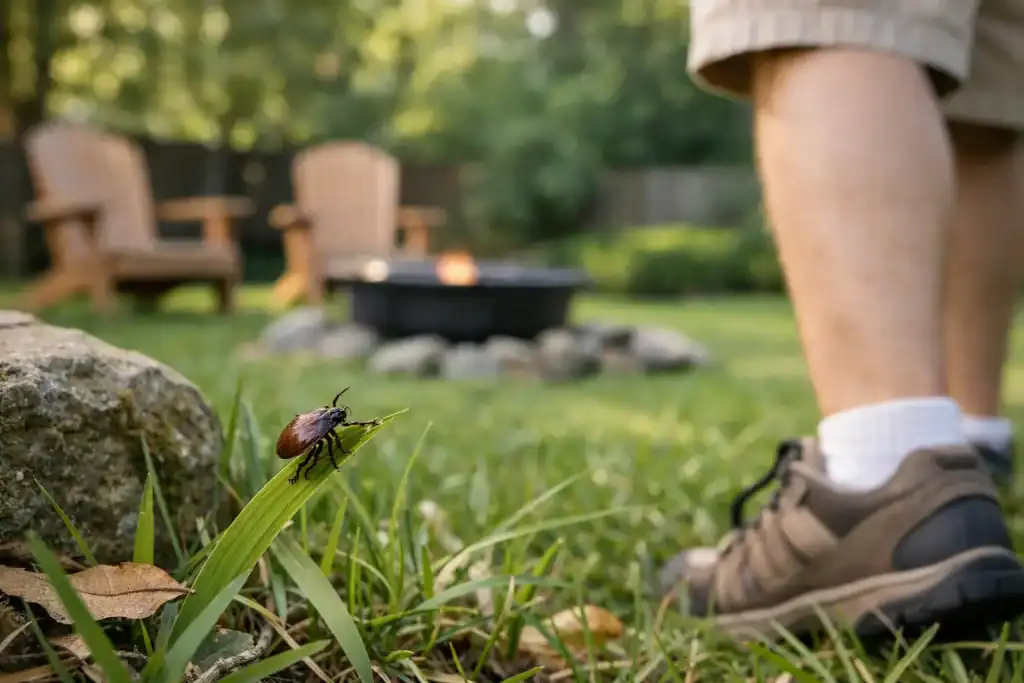
You notice your dog scratching more than usual, or you find a tick after the kids have been playing on the lawn. That is usually the moment the question becomes urgent: why are ticks in backyard spaces that seem clean, sunny and well looked after? The short answer is that ticks do not need a bush block to thrive. In many Sydney backyards, especially around greener coastal and leafy suburbs, they can find enough shade, moisture, wildlife and passing hosts to settle in.
Ticks are opportunists. If your yard offers shelter and a steady supply of animals or people to feed on, it can become part of their life cycle without looking wild or neglected. That is why even tidy properties across the Northern Beaches and surrounding suburbs can still develop a tick problem.
Why are ticks in backyard environments at all?
Most people picture ticks deep in scrub or long grass, but backyards can recreate the same conditions on a smaller scale. Ticks prefer humid, protected areas where they will not dry out. They wait in low vegetation, leaf litter, garden edges and under shrubs until a host brushes past.
A backyard becomes attractive when it has a combination of ground cover, shade and animal activity. If pets roam through garden beds, possums move along fences at night, or bandicoots and rodents pass through regularly, ticks have a way in. They do not stay because your yard is dirty. They stay because it works for them.
That is also why the issue can feel confusing. Homeowners often assume a neat lawn means low risk, but ticks are more interested in micro-habitats than overall appearance. A manicured front lawn can sit right beside a damp hedge line or mulched side path where ticks are far more likely to hide.
What attracts ticks to a backyard?
The biggest drawcard is a host. Ticks need blood meals to develop through their life stages, so anywhere that dogs, cats, wildlife or humans move through regularly can become active tick territory. Pets are often the main bridge between the yard and the home because they brush through vegetation and carry ticks back inside.
Wildlife is another major factor. On Sydney properties, possums, bandicoots, rodents and birds can all help support tick populations, either directly or by creating movement corridors that keep ticks established. If your backyard backs onto reserve land, bushland, creek lines or dense vegetation, the risk is usually higher.
Moisture matters too. Ticks dry out easily, so they favour areas with leaf litter, mulch, groundcovers, dense shrubs and poor airflow. Retaining walls, timber edges, storage areas and overgrown fence lines can all create sheltered pockets. Even a yard that gets plenty of sun may still have shaded sections that stay cool and humid enough for ticks to survive.
Where ticks usually hide in the yard
Ticks are rarely sitting out in the middle of the open lawn on a hot day. More often, they are tucked into transition zones where people and pets do not always look closely. Garden beds, the base of hedges, under decks, around sheds, behind water tanks and along fence perimeters are common harbourage spots.
They also like the spots where lawns meet thicker planting. If your dog pushes through a border of lomandra, shrubs or native grasses on the way to the side gate, that path can become a regular contact point. Mulch can add to the problem when it stays damp and shaded for long periods.
This is where a lot of homeowners get caught out. The visible parts of the yard may be well maintained, but the edges and hidden areas are doing the real work for ticks.
Why a tick problem can appear suddenly
Sometimes the ticks have been there for a while and only become obvious when a pet picks them up. In other cases, a backyard can change enough over one season to support a larger population. Warmer weather, increased humidity, heavier plant growth or a rise in wildlife activity can all shift the balance.
A new puppy or dog that spends more time outdoors can make the issue more noticeable as well. So can landscaping changes. Fresh mulch, denser planting or less frequent trimming may create better shelter without anyone realising it.
There is also a timing factor. Tick activity can peak at certain times, and different life stages are easier or harder to spot. That means you might not notice a problem until it reaches the point where pets, family members or tenants are regularly encountering them.
Are ticks only a problem in bushy properties?
No, and this is one of the most common misunderstandings. Properties near bushland are generally at higher risk, but ticks can still turn up in suburban yards with fences, paving and relatively small gardens. All they need is access to hosts and a few protected places to wait.
Neighbouring properties can play a part too. If one yard is heavily vegetated, attracts wildlife or has unmanaged pet activity, ticks do not recognise property boundaries. In strata settings and duplexes, shared green areas can become part of the problem even if one resident keeps their section very tidy.
So the better question is not whether your yard looks bushy. It is whether ticks can survive there and find something to feed on.
How to make your backyard less attractive to ticks
The goal is not to strip your garden bare. It is to reduce the sheltered, moist conditions ticks prefer and make it harder for them to move onto pets and people. Simple changes often help, especially when they are done consistently.
Keep lawns trimmed, but pay even closer attention to garden edges, under shrubs and along fence lines. Rake up heavy leaf litter, thin out dense ground-level planting and avoid letting mulch build up hard against paths and play areas. If there are toys, pet beds or stored items sitting in shaded corners, move them regularly and keep those zones dry and open.
Managing wildlife access can also make a real difference, although it needs to be done responsibly. Secure rubbish, avoid leaving pet food outside and identify spots where possums or rodents may be nesting or travelling through. In some cases, the problem is less about the lawn and more about the nightly movement of animals across the property.
For pet owners, routine tick prevention is essential. Even the best yard management will not remove all risk if your dog or cat is exposed in nearby streets, parks or reserves. Checking pets after time outdoors is still a smart habit, particularly around the head, neck, ears and between the toes.
When DIY steps are not enough
If you are repeatedly finding ticks on pets or family members, it is usually time to look beyond basic garden maintenance. A professional assessment helps identify where ticks are harbouring, what is sustaining them and whether surrounding conditions are likely to keep the problem going.
This is especially important for households with children, dogs or vulnerable family members who want effective control without harsh, unnecessary chemical use. A careful treatment plan should take into account the layout of the yard, pet access, wildlife considerations and the need for safer, targeted methods.
That is where local experience matters. A team familiar with Sydney conditions can usually spot the patterns quickly, from shaded coastal gardens to properties bordering reserves. Clean & Green Pest Control approaches tick issues with that balance in mind – effective treatment, practical prevention and a strong focus on family, pet and environmental safety.
Why are ticks in backyard spaces even after treatment?
Sometimes homeowners expect one visit to solve the issue completely and permanently. In reality, it depends on what is happening around the property. If wildlife continues to move through, neighbouring vegetation remains dense, or pets are exposed elsewhere, new ticks can still be introduced.
That does not mean treatment has failed. It often means follow-up prevention is just as important as the initial control. Tick management works best when treatment, habitat reduction and pet protection are all working together.
There is also a difference between reducing an active problem and eliminating every possible future encounter. A safer backyard is a realistic goal. A tick-proof outdoor space, particularly in greener Sydney suburbs, is much harder to guarantee.
If you are asking why are ticks in backyard areas around your home, the answer is usually a mix of shelter, moisture and host activity rather than one obvious cause. Once you know what they are using your yard for, it becomes much easier to change the conditions and lower the risk. A backyard should feel safe to enjoy, and with the right approach, it can stay that way.