
How to Remove Ticks Safely at Home
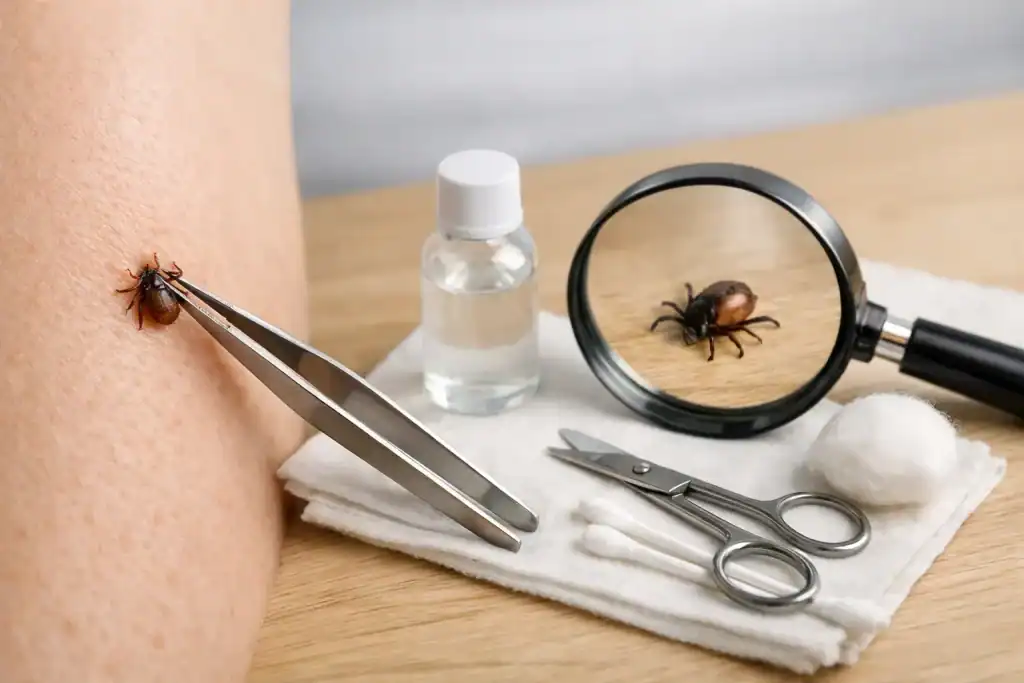
A tick attached to your skin or your dog’s ear can turn an ordinary afternoon into a stressful one fast. If you’re wondering how to remove ticks safely, the key is to stay calm, use the right tool, and avoid old home remedies that can make the situation worse.
On the Northern Beaches and across Sydney, ticks are a real concern for families, pet owners and property managers, especially in warmer months and around bushy, coastal or leafy areas. The good news is that safe removal is usually straightforward when it’s done properly. The bigger risk often comes from rushed handling, squeezing the tick, or trying to force it off with substances that irritate it.
How to remove ticks safely without making it worse
The safest method depends on whether the tick is attached to a person or a pet, and whether it is small, large, fully embedded or only just attached. In general, the aim is simple – remove it with as little disturbance as possible.
For people, use fine-tipped tweezers or a specialised tick removal tool if you have one. Grasp the tick as close to the skin as you can, ideally around the mouthparts rather than the swollen body. Pull upward slowly and steadily. Don’t twist, jerk or crush it. Once removed, clean the area with antiseptic and wash your hands thoroughly.
If part of the tick remains in the skin, don’t dig around aggressively. Sometimes tiny mouthparts can stay behind, much like a splinter. Keep the area clean and monitor it. If you’re unsure, or the spot becomes red, painful or swollen, seek medical advice.
For pets, extra care is needed. Some Australian ticks, especially paralysis ticks, can be dangerous to dogs and cats. If your pet seems weak, wobbly, is vomiting, has trouble breathing, or you suspect a paralysis tick, contact a vet immediately. Safe removal still matters, but signs of illness make it urgent.
What not to do when removing a tick
A lot of harmful advice still gets passed around. Don’t cover a tick in petroleum jelly, methylated spirits, nail polish or oil. Don’t burn it with a match. Don’t squeeze the body with your fingers. These methods can stress the tick and increase the chance of it releasing more saliva into the bite site.
That matters because irritation can raise the risk of local reactions and, in some cases, trigger allergic responses. In Australia, tick bites can cause serious allergy symptoms in some people, even if they have handled ticks before without any trouble.
It also helps not to scratch the site or keep checking it every few minutes. Clean it once, then keep an eye on it sensibly. Too much touching can make the skin more inflamed.
How to remove ticks safely from pets
Pet owners often spot ticks while patting their dog, brushing their cat, or after time spent in the yard. Ticks commonly attach around the head, ears, neck, chest and between the toes, but they can turn up anywhere.
If your pet is calm and the tick is easy to reach, part the fur and use a proper tick remover or fine tweezers to grip the tick close to the skin. Pull gently and steadily. After removal, clean the area with a pet-safe antiseptic if advised by your vet.
The trade-off is that home removal is only suitable if your pet is well and the tick is accessible. If your pet is distressed, the tick is in a tricky area, or you live in a paralysis tick zone and symptoms are present, don’t persist just to get it out yourself. Prompt veterinary care is the safer option.
With cats in particular, handling can be difficult. A stressed cat can twist away at the worst moment, making partial removal more likely. In those cases, getting help is often the best choice.
After a tick bite, what should you watch for?
Most tick bites cause a small local reaction – redness, itching or a raised bump for a few days. That can be normal. What you’re watching for is anything more significant.
On people, seek medical advice if there is increasing redness, heat, swelling, pus, fever, rash, headache, unusual fatigue or signs of an allergic reaction such as hives, wheezing, facial swelling or trouble breathing. If there is any breathing difficulty or rapid swelling, treat it as urgent.
On pets, watch closely for lethargy, weakness in the back legs, a change in bark or meow, gagging, vomiting, coughing, heavy breathing or trouble swallowing. These can be signs of tick toxicity and should never be ignored.
Even when removal seems clean, ongoing monitoring matters. A tick bite is not always over once the tick is gone.
Why prevention matters just as much as removal
Knowing how to remove ticks safely is useful, but repeated tick encounters usually point to a broader issue around the home or property. Ticks thrive in shaded, damp, overgrown areas with long grass, leaf litter and wildlife activity. That is why prevention is often the real long-term fix.
A tidy yard helps more than people realise. Regular mowing, trimming ground cover, reducing dense vegetation near play areas, and clearing leaf build-up can make your outdoor spaces less attractive to ticks. Keeping pets out of scrubby sections of the yard also lowers exposure.
Wildlife management matters too. Bandicoots, possums and other animals can contribute to tick presence around residential properties. This is where a balanced approach is important. You want to reduce tick habitat and access points without harming native wildlife or relying on unnecessary chemical use.
For families with kids and pets, that balance is especially important. Broad, harsh treatments may sound decisive, but they are not always the best fit for every household. A tailored, lower-tox approach is often safer and more practical.
When home removal is enough, and when it isn’t
Sometimes a tick is found early, removed cleanly and that is the end of it. Other times, the tick keeps turning up again – on pets, around outdoor areas, or on people after time in the yard. That pattern usually means the property itself needs attention.
If you’re managing a home, strata block, childcare setting, outdoor worksite or pet-friendly premises, recurring tick activity is worth addressing professionally. The right treatment plan depends on the layout of the property, vegetation, wildlife traffic, pet activity and how people use the outdoor space.
That is also why generic advice has limits. A small courtyard in Manly has different pressures from a bush-backed yard in Terrey Hills or a larger strata property near reserve land. Local knowledge matters because tick pressure can vary a lot even within the same suburb.
Clean & Green Pest Control approaches tick problems with the same priority many local families are looking for – effective control that also considers children, pets and the wider environment. That means practical advice, clear communication and treatment options suited to the property rather than a one-size-fits-all spray.
A simple tick-safe routine for homes and properties
The most effective routine is not complicated, but consistency counts. Check children and pets after time outdoors, especially after walks near bushland or long grass. Look carefully around hairlines, behind ears, under arms, behind knees and around sock lines. For pets, check the head, ears, collar area and paws.
Keep lawns trimmed, reduce moist hiding spots and wash pet bedding regularly. If you manage a rental or strata property, seasonal inspections of shared outdoor areas can help pick up problems before they become ongoing complaints.
It also helps to keep a proper tick removal tool or fine-tipped tweezers in your first aid kit. When a tick is found, fumbling around for the right gear wastes time and often leads to poor removal.
A calm response, the correct tool and some sensible prevention can make a big difference. And if ticks keep appearing, it is usually a sign to deal with the source rather than waiting for the next bite. A safer home starts with small habits, and when needed, the right local support.