Nemesis Termite Bait Stations Review
Termites do not give you much warning. By the time most homeowners notice damage, the colony has often been active for months. That is why a proper nemesis termite bait stations review matters – not as a sales pitch, but as a practical look at whether this system is actually worth using around Australian homes.
Nemesis is one of the better-known termite baiting systems used by pest professionals in Australia. It is designed to monitor termite activity and, when termites are present, deliver a bait that worker termites carry back to the colony. In the right setting, that can make it a very effective part of a broader termite management plan. The key phrase there is in the right setting. Baiting is not magic, and it is not always the only answer.
What the Nemesis termite bait stations review should really focus on
A lot of people looking for a Nemesis termite bait stations review want one simple answer – does it work? The honest answer is yes, it can work very well, but only when it is installed correctly, checked consistently, and used as part of a professionally managed termite strategy.
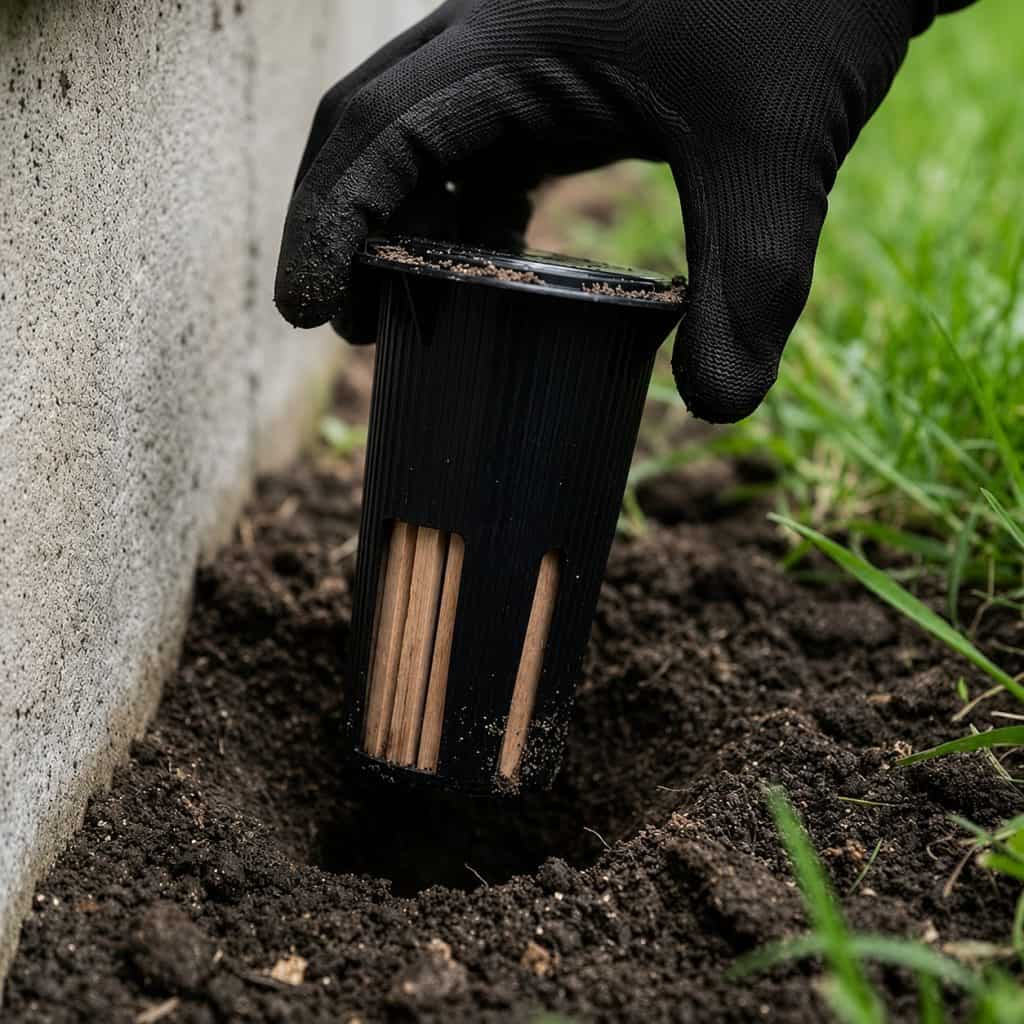
The Nemesis system is built around in-ground stations placed around the home, usually in soil areas where termites are likely to forage. These stations are first used for monitoring. Once termite activity is found, the monitoring material is replaced with an active bait designed to affect the termites gradually. That delayed action matters because if termites die too quickly, the colony may avoid the station before enough bait is spread.
In practical terms, that means Nemesis is less about killing termites on contact and more about colony suppression over time. For homeowners, that can be reassuring if you want a lower-tox approach than broad chemical application, but it also requires patience and follow-up.
How Nemesis bait stations work around Australian homes
Termites move through the soil looking for food. A bait station gives them an easier, more attractive food source before they reach structural timber. When they feed in the station, a technician can identify activity and introduce the active bait.
The strength of this approach is that it targets termite behaviour. Instead of relying only on a treated soil barrier, baiting works with the termites’ natural foraging patterns. That can be particularly useful on properties where a full chemical barrier is difficult, disrupted, or not ideal due to drainage, construction features, gardens, paving, or concern about chemical load around children and pets.
That said, termite baiting is not a set-and-forget product. Stations need to be placed in the right locations, inspected on schedule, and maintained properly. If the stations are ignored or checked too infrequently, the value of the system drops quickly.
The main strengths of Nemesis bait stations
One of the biggest positives is flexibility. Nemesis stations can be used on a wide range of properties, including homes where slab edges are concealed, where landscaping limits direct access, or where previous renovations make traditional barrier work more complex.
Another strength is the lower-volume treatment approach. For households that are careful about unnecessary chemical exposure, baiting often feels like a more comfortable option. That does not mean chemical-free, and it should never be described that way, but it can reduce the need for broad treatment across the entire perimeter in some cases.
Nemesis also suits long-term monitoring. Even after an active infestation is addressed, stations can remain in place to help detect future termite pressure before visible damage appears. For many homeowners, that ongoing surveillance is one of the real benefits.
There is also a practical advantage for pest professionals. The system is widely recognised, and experienced termite technicians know how to read station activity, interpret feeding patterns, and decide when baiting is progressing as expected.
Where Nemesis has limitations
A fair nemesis termite bait stations review also needs to talk about trade-offs. The biggest one is time. Baiting is not usually the fastest way to deal with termites compared with some direct treatment methods. If termites are actively attacking a structural area inside the home, a technician may recommend a combination approach rather than relying on bait alone.
Another limitation is that bait stations depend on termite discovery. You are placing stations where termites are likely to forage, but you cannot force them to enter on a fixed timeline. Some colonies find stations quickly. Others take longer.
Maintenance is another factor. A neglected baiting system is little more than plastic in the ground. To stay effective, it needs professional inspection and management. That means an ongoing service commitment, not a one-off installation and nothing more.
Cost can also be misunderstood. Some people assume baiting is cheaper than all other termite treatments. Sometimes it is, sometimes it is not. Over several years, inspection and replenishment costs can add up. The better question is not whether it is cheapest, but whether it suits the property and risk level.
Is Nemesis better than a chemical termite barrier?
This is where simple comparisons fall apart. Nemesis bait stations and chemical barriers do different jobs, even though both are used for termite protection.
A chemical barrier is designed to create a treated zone that termites must cross when moving from the soil to the structure. When installed well, that can provide strong immediate protection. But barriers can be affected by construction design, drainage work, soil disturbance, tree roots, cracks, and later renovations.
Nemesis baiting works by interception and colony feeding. It can be especially useful where a full barrier is impractical or where monitoring is a priority. In many real-world cases, the best answer is not barrier versus bait. It is a tailored recommendation based on the home, the level of termite pressure, and the site’s access limitations.
For example, on some homes a barrier remains the first recommendation. On others, baiting may be the better fit. And on higher-risk sites, a pest professional may recommend combining methods.
Who is likely to benefit most from Nemesis
Nemesis tends to suit homeowners who want ongoing termite monitoring, properties with installation challenges for full barriers, and families who prefer a more targeted treatment approach where appropriate. It can also be a sensible option for strata sites and some commercial premises where regular inspection programs are already part of building management.
It is often a strong fit when the goal is early detection as much as treatment. That matters in areas where termite activity is common and timber structures, subfloors, gardens, retaining walls, or moisture issues increase risk.
For homes in Sydney’s leafy suburbs and coastal areas, where termite pressure can be persistent, the value of a monitored system is easy to see. Still, the station itself is only part of the picture. Good installation and reliable follow-up are what turn a product into protection.
What to ask before choosing Nemesis
Before agreeing to any baiting system, ask how the stations will be positioned, how often they will be inspected, what happens if termites are found, and whether the recommendation is based on a full termite inspection or just a generic package.
You should also ask whether baiting is being recommended because it is the best fit for your property or simply because it is what the provider prefers to sell. A trustworthy technician should be able to explain the pros, the limits, and any alternative treatment options in plain language.
This is especially important if you have children, pets, landscaped areas, or recent building works around the home. Those details can affect treatment choice. They should never be treated as minor footnotes.
Final verdict on Nemesis termite bait stations
As a practical, honest review, Nemesis comes across as a credible and effective termite baiting system when used by experienced professionals and supported by regular inspections. Its biggest strengths are targeted colony management, long-term monitoring, and suitability for properties where traditional barrier treatments are not straightforward.
Its biggest weakness is not the product itself, but the expectation some people bring to it. If you expect instant results with no follow-up, baiting will probably disappoint you. If you understand that termite management is ongoing and site-specific, Nemesis can be a very sensible option.
For most homeowners, the right question is not whether Nemesis is good or bad. It is whether Nemesis is right for your property, your risk level, and your preference for a monitored, lower-tox termite strategy. That decision is always best made after a proper inspection, because with termites, the ground conditions and building details matter just as much as the brand name on the station.