
Cockroach Treatment for Rental Homes
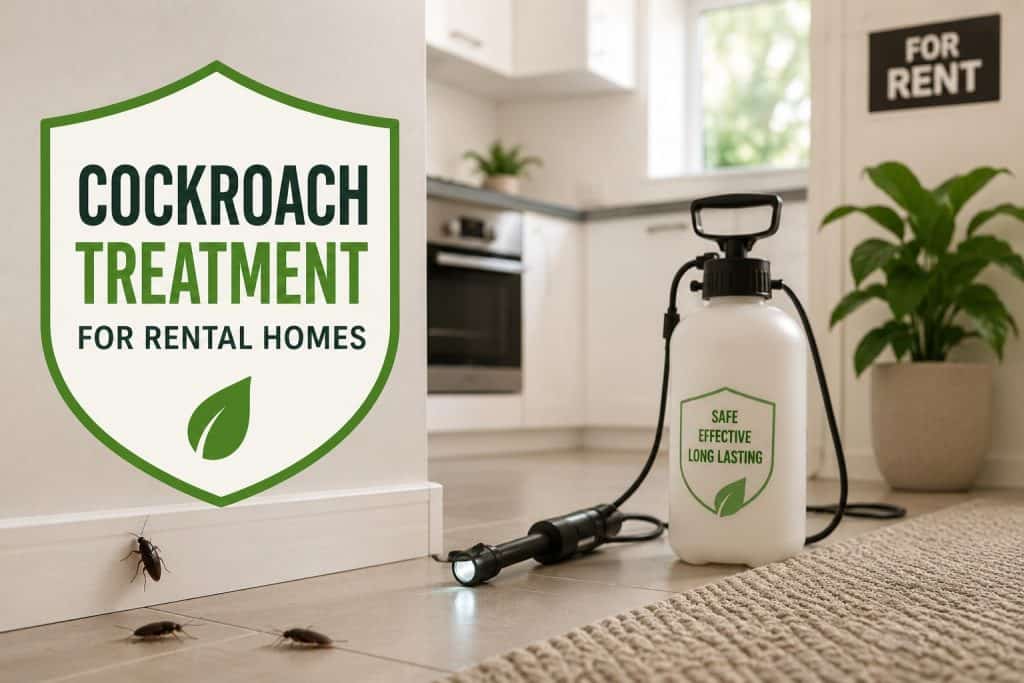
You usually spot the problem at the worst possible time – a roach skitters across the kitchen bench after dark, or one turns up near the bathroom just before an inspection. In rental properties, cockroach treatment for rental homes is not only about getting rid of pests quickly. It is also about working out who needs to act, how to protect the people living there, and how to stop the issue from coming straight back.
Cockroaches are common in Sydney, especially in units, older homes, and properties close to food venues, bins, drains or shared walls. They are tough pests that hide well, breed quickly and can spread through a building before anyone realises how far the problem has gone. For tenants, that means stress and embarrassment. For landlords and property managers, it can mean complaints, repeat callouts and damage to the property’s condition if the infestation is left to build.
Why cockroaches are harder to manage in rentals
A rental home has more moving parts than an owner-occupied property. Access often needs to be arranged through an agent. Responsibility may depend on the lease, the property’s condition at move-in, and whether sanitation or structural issues are contributing to the infestation. In a block of units or strata property, the source may not even be inside the affected home.
That matters because a can of supermarket spray rarely solves the real issue. You might kill the few cockroaches you can see, but egg cases, harbourage points and hidden movement behind cupboards, skirting boards and appliances are left untouched. In rentals, short-term fixes tend to create long-term frustration.
There is also the safety question. Many renters are families with young children or pets, and plenty of landlords want a treatment approach that works without saturating the home in harsh chemicals. A professional treatment plan should balance effectiveness with sensible product choice, clear preparation advice and realistic follow-up.
Who is responsible for cockroach treatment for rental homes?
This is where things can get murky, and the answer often depends on timing and cause. If cockroaches were present when the tenant moved in, or if the infestation is linked to the property’s condition, the landlord will usually need to arrange treatment. That can include gaps around plumbing, moisture issues, damaged seals, broken vents or poor maintenance that gives pests easy access.
If the issue has developed during the tenancy and is linked to housekeeping, food storage or rubbish handling, the tenant may be expected to address it. But in practice, it is not always black and white. A clean tenant can still end up with cockroaches if a neighbouring unit has a major infestation or if the building has shared pest pressure.
For property managers, the most practical approach is to avoid assumptions. Ask when the activity started, where it is being seen, whether other units are affected, and whether there are any maintenance concerns. Good pest control starts with good information.
What a proper cockroach treatment should include
A professional inspection is the first step because not all roach problems are the same. German cockroaches, which are often found in kitchens and laundries, behave differently from larger American or Australian cockroaches that may come in from drains, subfloors or outdoor areas. The treatment method needs to match the species, the severity of the infestation and the layout of the property.
In most rental homes, effective treatment includes a combination of targeted gel baits, low-toxicity treatments in key harbourage areas, and practical advice on sanitation and exclusion. If the infestation is well established, a single visit may not be enough. German cockroaches, in particular, can require follow-up because they breed rapidly and hide in very tight spaces around fridges, dishwashers, microwaves and cabinetry.
This is where an environmentally responsible approach makes a real difference. The goal is not to blanket the home with the strongest product available. It is to use the right treatment, in the right place, with as little disruption as possible. That is especially important in homes with babies, pets, asthma concerns or sensitive occupants.
Signs the infestation is bigger than it looks
Seeing one or two cockroaches at night does not always mean you have a major infestation, but there are clues that tell a bigger story. Droppings that look like pepper around hinges or cupboards, egg capsules, a musty smell, or repeated sightings during the day can all suggest a heavier problem. Daytime activity is often a sign that hiding areas are already overcrowded.
In rentals, recurring sightings after DIY treatment are another red flag. If the same kitchen, laundry or bathroom keeps showing activity, there is usually an established nesting area nearby. If multiple units in the same complex have issues, treating one flat in isolation may only deliver partial results.
Preparing a rental home for treatment
Preparation matters because even the best treatment can be undermined by clutter, open food or poor access to problem areas. Tenants should be given clear instructions before the technician arrives. That may include emptying cupboards under the sink, clearing benches, storing food in sealed containers, vacuuming affected areas and making sure pets are safely out of the way if required.
Landlords and managers can help by making access simple. Delays around keys, entry notices or missed appointments often stretch a small issue into a larger one. If the property is vacant, treatment can be more straightforward, but vacant homes still need follow-up prevention before a new tenant moves in.
A good technician should also explain what to expect afterwards. Some activity may increase briefly as cockroaches come into contact with baits or treated areas. That does not mean the treatment has failed. It usually means the process is working through the population.
Preventing cockroaches from coming back
Successful cockroach treatment for rental homes is part eradication, part prevention. Once the immediate activity is brought under control, the next step is reducing the conditions that let cockroaches settle in again.
Food and moisture are the big two. Even tidy homes can have enough crumbs, grease or leaking water to support a roach population. Kitchens need regular cleaning around appliances, not just the visible surfaces. Pet food should not be left out overnight. Rubbish should be sealed and removed regularly. Leaks under sinks or around taps should be fixed promptly.
Then there is access. Cracks around pipes, gaps in cabinetry, worn door seals and broken vents can all become entry points. In apartment buildings, shared walls and service penetrations are common pathways. This is one reason property managers should look beyond the individual complaint. If the building itself is making pest movement easy, treatments may need to be coordinated more broadly.
What tenants and landlords should expect from a pest professional
A proper service should feel clear from the start. That means straightforward advice on likely cause, honest guidance on whether one visit is enough, and practical information about safety, preparation and follow-up. No one benefits from vague promises or overtreatment.
For families and pet owners, it is reasonable to ask what products are being used and where. For landlords, it is reasonable to expect documentation if treatment needs to be recorded. For property managers, communication matters just as much as the treatment itself. Fast response and clear updates can make a difficult tenancy issue much easier to manage.
If the property is in a high-pressure area such as a dense unit block, near food premises, or in a warm coastal suburb where pest activity is persistent, ongoing monitoring may be the smarter option than waiting for the next outbreak. That can be more cost-effective over time and much less disruptive for everyone involved.
When fast action matters most
There are times when waiting a week or two is a mistake. If cockroaches are being seen in large numbers, turning up during the day, appearing in bedrooms, or affecting a food business or childcare setting, prompt treatment matters. The longer an infestation is left alone, the more breeding cycles you are dealing with and the harder the clean-up becomes.
In our experience, the best results come when tenants, owners and managers act early and communicate clearly. Clean & Green Pest Control works with that same mindset – practical treatment, low-tox options where suitable, and plain-English advice that helps people feel confident about what happens next.
A rental home should feel safe, clean and comfortable, whether you own it, manage it or live in it. If cockroaches have started to show up, the right response is not panic and it is not guesswork. It is a well-targeted treatment, sensible prevention, and a shared effort to keep the problem from settling in again.