Aged Care Pest Control Sydney: Safe & Professional Solutions
When pests show up in an aged care setting, the stakes are higher than in most homes or workplaces. A single cockroach in a kitchen, ants in a resident room, or rodents near food storage can quickly become a health, compliance, and reputation issue. That is why Aged Care Pest Control Sydney needs a different standard of care – one that protects residents, staff, visitors, and the environment at the same time.
In aged care, pest control is not just about getting rid of insects or rodents. It is about reducing infection risk, avoiding distress for vulnerable residents, and managing treatment in a way that does not create unnecessary chemical exposure. Older Australians often have more sensitive respiratory systems, complex health needs, and lower tolerance for disruption. A provider working in this space needs to understand that straight away.
What makes pest control different in aged care
Aged care facilities are busy, shared environments with constant movement between bedrooms, dining areas, common spaces, laundries, kitchens, storage rooms, and landscaped outdoor areas. That mix creates multiple pest pressure points. Warm buildings, regular food service, moisture from bathrooms and laundries, and frequent deliveries all make sites more attractive to pests than many people realise.
The difference is not only where pests appear, but how treatment must be handled. In an aged care home, you cannot take a one-size-fits-all approach. Timing matters. Product choice matters. Communication with staff matters. Even the noise and disruption of the visit can matter for residents living with dementia, anxiety, or mobility issues.
That is why a careful, site-specific plan is essential. The safest result usually comes from combining inspection, targeted treatment, monitoring, and prevention rather than relying on broad, heavy chemical application.
Common pest risks in Sydney aged care facilities
Sydney facilities can face pest issues year-round, but warmer months often increase activity. Cockroaches are a common concern in kitchens, laundries, and bathrooms because they thrive in warmth and moisture. They are not just unpleasant to see – they can contaminate surfaces and food preparation areas if left unchecked.
Ants are another regular problem, especially in resident rooms and communal dining spaces where even small crumbs or sugary spills can attract them. They may seem minor at first, but colonies can expand quickly and become difficult to manage without proper treatment.
Rodents pose a more serious health and building risk. Mice and rats can spread bacteria, contaminate food stores, damage wiring, and create fear or distress among residents and staff. In older buildings or facilities with garden edges and service areas, access points are often easier for rodents to find than management expects.
Stored product pests can also become an issue in pantry and food storage areas. In some facilities, bird activity around outdoor dining or entry points creates sanitation concerns. And while termites are not usually the first pest people think of in care settings, they remain a major building risk across many Sydney suburbs and should never be ignored.
Why low-tox treatment matters
In aged care, the wrong treatment choice can create as many problems as the pests themselves. Residents may have asthma, allergies, compromised immunity, or other medical conditions that require extra caution. Staff also need to work safely, and family members want confidence that treatments are being carried out responsibly.
Low-tox and environmentally responsible methods are often the right fit because they focus on targeted control rather than over-application. That can include precise gel baits, crack-and-crevice treatments, tamper-resistant rodent stations, insect growth regulators, habitat correction, and non-chemical prevention measures. The goal is to solve the problem with the least disruption and the lowest practical exposure risk.
This approach also aligns better with the expectations of modern care providers. Facilities are under growing pressure to demonstrate safe systems, due diligence, and resident-first decision making. Choosing treatment methods that are effective but measured is part of that responsibility.
A sensible process for Aged Care Pest Control Sydney
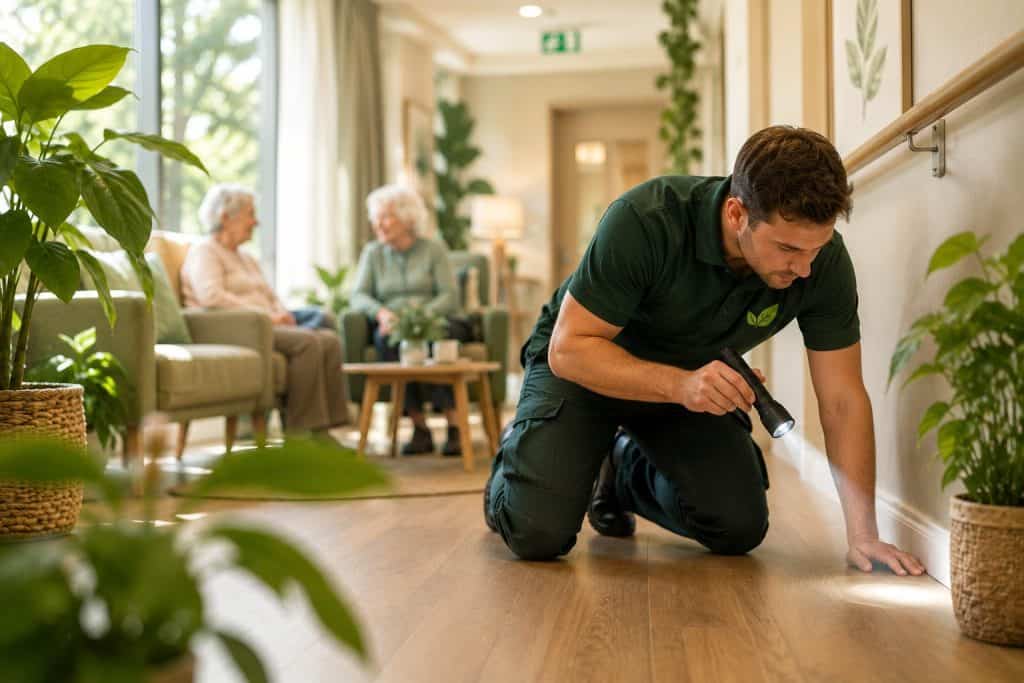
The best results usually start with a detailed inspection, not a spray can. A proper assessment identifies what pest is present, how serious the activity is, where it is coming from, and what conditions are supporting it. That sounds simple, but misidentifying the source of an infestation can waste time and lead to repeat problems.
Once the inspection is complete, the treatment plan should be tailored to the facility. In some cases, that means out-of-hours servicing to reduce disruption. In others, it means treating one section at a time, with clear notice provided to management and staff. Sensitive areas such as medication rooms, dining areas, kitchens, and resident bedrooms may all require different methods.
Just as important is follow-up. Pest control in aged care is rarely a set-and-forget service. Ongoing monitoring helps catch small issues before they grow into larger ones. It also gives facility managers a clear record of what was found, what was treated, and what preventative steps were recommended.
Prevention is where the long-term value sits
A treatment can remove active pests, but prevention is what keeps a facility stable. In aged care settings, recurring pest issues often come down to building gaps, food handling routines, moisture, waste storage, and garden maintenance around the property.
Something as small as an unsealed pipe entry, a damaged door sweep, or a poorly managed bin area can keep drawing pests back in. Kitchens and servery areas may need tighter cleaning intervals. Storage rooms may need stock rotation and better containment. Outdoor areas may need trimming back to reduce rodent harbourage or bird activity near entrances.
This is where a practical pest management partner adds real value. The right provider does not just treat the visible problem and leave. They explain what is happening, show where the risk points are, and help staff make simple adjustments that reduce future callouts.
What facility managers should expect from a provider
If you are arranging pest control for an aged care site, speed matters, but so does judgement. A rushed provider who applies harsh treatments without understanding the environment can create unnecessary risk. A better standard of service includes prompt attendance, clear communication, transparent pricing, and a treatment plan that fits the care environment.
You should expect technicians to be professional, discreet, and able to work respectfully around residents and staff. Reporting should be straightforward and useful, not full of jargon. If there are trade-offs, they should be explained clearly. For example, some infestations require more than one visit, and some low-tox methods may take slightly longer to eliminate a population than aggressive knockdown chemicals. In aged care, that trade-off is often worth it when it improves safety and reduces disruption.
You should also expect honesty about what pest control can and cannot do on its own. If plumbing leaks, food waste handling, or structural entry points are contributing to the issue, those factors need to be addressed as part of the solution.
Compliance, reputation, and peace of mind
Pest activity in an aged care facility can quickly become more than an operational headache. It can affect audit readiness, family confidence, staff morale, and overall trust in the site. Even a minor issue can feel major when residents are vulnerable and loved ones are paying close attention to standards of care.
That is why a preventative pest management program is often the most sensible option. Regular inspections and scheduled servicing help reduce emergency situations, create clearer records, and support a cleaner, safer environment. They also allow problems to be picked up early, before residents notice them or they begin affecting daily operations.
For many Sydney facilities, the best fit is a provider that understands both urgency and restraint – someone who can respond quickly when needed, but who also values long-term prevention, family-safe methods, and clear communication. That is the standard Clean & Green Pest Control works to deliver.
Choosing a safer path forward
Aged care environments deserve more than basic pest control. They need careful planning, low-tox treatment options, respect for resident wellbeing, and practical prevention that supports the people managing the facility every day. Whether the issue is cockroaches in a kitchen, ants in resident rooms, rodents around service areas, or termite risk in the building itself, the right response is the one that solves the problem without creating a new one.
When pest control is handled properly, it becomes one less thing for staff to worry about and one more reason families can feel confident in the care their loved ones receive.