
Best Tick Prevention for Backyards That Works
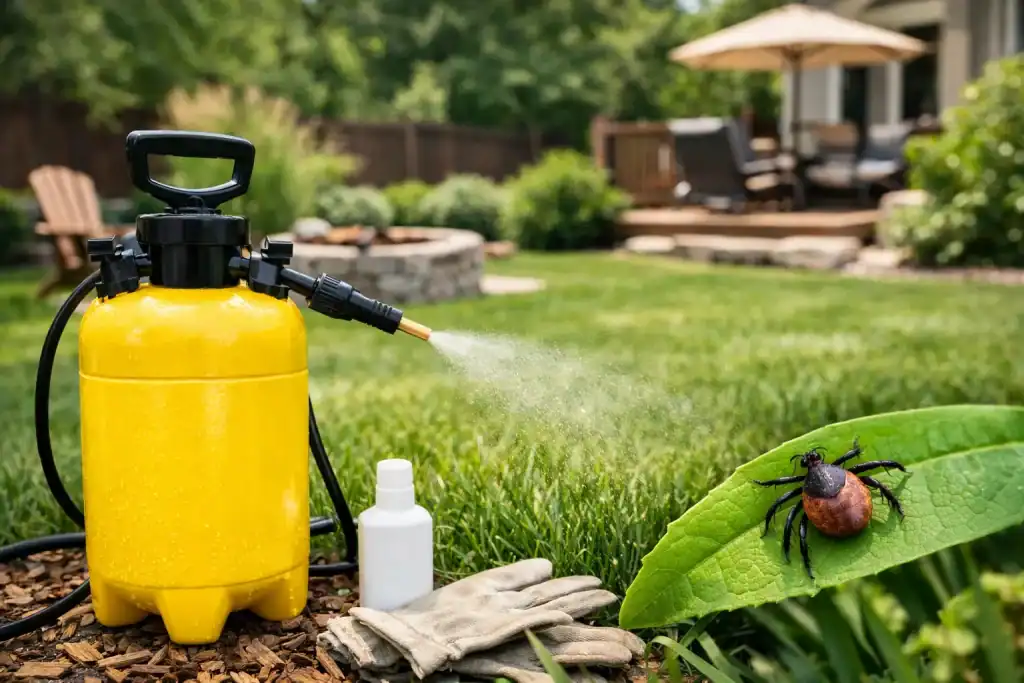
A child running through the lawn, a dog sniffing along the fence line, a quiet afternoon under the clothesline – these are the moments a backyard should support, not spoil. The best tick prevention for backyards is rarely one product or a single spray. It is a practical combination of yard maintenance, pet protection and targeted professional treatment when tick activity is high.
For families across Sydney, especially leafy areas near bushland, ticks can be a genuine concern for people and pets. Paralysis ticks are active in many parts of the year and can be particularly problematic in warmer, humid conditions. A well-managed yard reduces the places ticks rest, wait and move through before they reach your family.
What makes tick prevention effective?
Ticks do not thrive in the middle of a short, dry lawn with plenty of sun. They are far more likely to be found in cool, shaded and humid areas, including long grass, leaf litter, dense groundcovers, stacked timber and vegetation around fences. They often arrive on native wildlife, rodents and pets, then settle into protected parts of the garden.
That is why the most reliable approach focuses on the boundary areas and hiding places, rather than treating every square metre of lawn as if it carries the same risk. Prevention works best when you make the backyard less hospitable to ticks while protecting the people and animals who use it.
A treatment can lower tick numbers, but it cannot create a permanent no-tick guarantee in a property beside bushland or frequented by wildlife. Regular prevention is the sensible choice, especially for households with dogs, cats, young children or people who spend a lot of time outdoors.
Best tick prevention for backyards starts with the garden
Start with the areas that stay damp and sheltered. Mow lawns regularly, edge around paths and play areas, and keep grass short along fence lines. Prune lower branches and thin out dense plants where practical to improve airflow and let more sunlight reach the ground.
Rake up fallen leaves, palm fronds and grass clippings before they build into a damp layer. This is particularly worthwhile beneath shrubs, around outdoor furniture, beside sheds and under decks. If you keep firewood, pot plants or stored garden materials near the house, move them away from doors, pet beds and children’s play zones where possible.
Creating a clearer border between bushy vegetation and the main lawn can also help. A dry, open strip of gravel or mulch is generally less attractive to ticks than thick groundcover. It is not about making your garden bare or removing habitat unnecessarily. The goal is to keep dense vegetation and debris away from the places your family and pets use most.
Wildlife should be managed with care, not treated as a nuisance to be removed. Possums, birds and other native animals are part of Sydney’s environment, and they can travel through even tidy gardens. Avoid leaving pet food outside overnight, secure rubbish and compost, and address rodent activity promptly. These steps can reduce the animal traffic that may carry ticks into your yard without harming native wildlife.
Protect pets beyond the fence line
Your backyard matters, but pets can pick up ticks on walks, at parks, in neighbouring gardens or while exploring bushy edges. Speak with your vet about a tick prevention product suited to your pet’s age, size, health and lifestyle. The right option for a dog that walks near bushland may differ from what is suitable for an indoor cat.
Check pets daily during tick season and after time in long grass or coastal scrub. Pay close attention to the head, ears, neck, chest, armpits, groin and between the toes. A tick can be very small before it feeds, so a slow hands-on check is more useful than a quick glance through the coat.
If your pet seems weak, wobbly, unusually quiet, vomits, has trouble breathing or shows any possible signs of tick paralysis, contact a vet immediately. Do not wait to see whether symptoms improve. Even pets on preventive medication should be checked, because no prevention plan replaces early detection and prompt veterinary care.
People should also check themselves and children after gardening, playing near vegetation or walking through long grass. Wearing enclosed shoes, socks and light-coloured clothing can make ticks easier to spot when working around high-risk areas.
When targeted tick treatment is the right next step
Garden maintenance is essential, but it may not be enough where ticks are already being found on pets or people. Properties near reserves, creek lines, dense bushland or unmanaged neighbouring vegetation often need a more targeted response.
Professional tick control focuses on likely harbourage zones such as garden borders, thick shrubs, leaf-litter areas, under decks, around sheds and along fence lines. A trained technician can assess where the risk is concentrated instead of applying unnecessary treatment across edible gardens, open lawn and areas with little tick activity.
For a family-safe outcome, ask how the treatment is selected, where it will be applied and what precautions are needed for children, pets and wildlife. Responsible pest management is not about using the strongest available chemical. It is about using an appropriate, effective treatment in the right place, at the right rate, with clear instructions for re-entry and follow-up.
Plant-derived and lower-toxicity options can be part of a considered tick-control plan, but they still need professional application and realistic expectations. Some products may have shorter residual activity or require more frequent treatment than conventional options. The best choice depends on tick pressure, the layout of the property, nearby bushland, weather, pets and how the outdoor space is used.
If you have vegetable beds, bee-attracting plants, ponds, chickens or active wildlife corridors, tell your technician before treatment begins. These details allow the plan to be adjusted to protect what matters in your yard while still addressing the tick risk.
A practical routine for tick season
A simple routine prevents small garden issues from becoming a bigger problem. Keep lawns and edges trimmed, clear leaf litter after windy weather, check pets every day, and inspect high-risk garden areas after rain or periods of warm humidity. If you find a tick on a pet, do not assume it came from one exact spot. Review the whole routine, including walks, pet prevention and vegetation around the home.
For homes with ongoing exposure, schedule professional inspections or treatments around the periods when your property has historically had tick activity. This is more effective than waiting until several ticks have already been found. Property managers and strata committees can use the same approach in shared gardens, pet-access areas and pathways near planted borders.
Get help before tick activity becomes a pattern
Repeated ticks on pets, sightings in play areas or a home bordering dense vegetation are good reasons to seek professional advice. An experienced local technician can identify likely tick zones, recommend practical garden changes and explain treatment options without pushing a one-size-fits-all solution.
Clean & Green Pest Control takes a targeted, environmentally responsible approach to tick management, with clear advice for protecting children, pets and local wildlife. A safer backyard starts with the next small job: clear the damp leaf litter, check your pet and give ticks fewer places to hide.