
How to Get Rid of Mosquitoes in Your Backyard
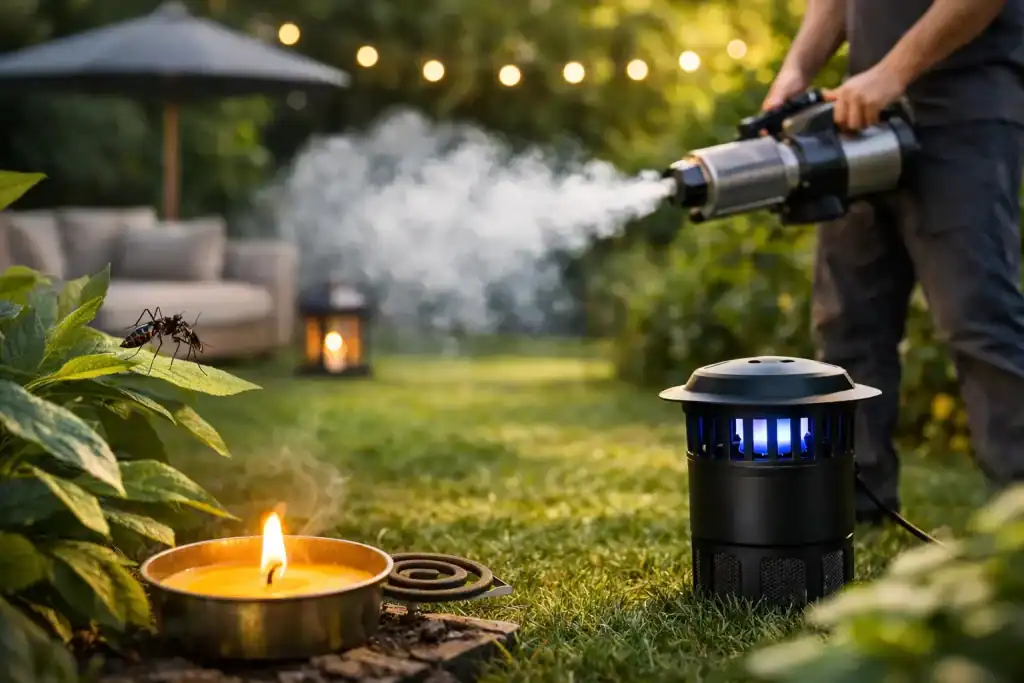
A warm Sydney evening can turn miserable fast when the mozzies arrive before the barbecue even gets going. If you’re searching for how to get rid of mosquitoes in your backyard (Sydney homeowner’s guide 2026), the good news is that lasting relief usually comes from a few smart changes working together – not just one spray and hope for the best.
For most homes, mosquitoes are not breeding everywhere across the suburb. They are often breeding surprisingly close to where you sit, entertain, water the garden or store outdoor items. That matters, because the fastest way to reduce mosquito pressure is to make your own yard less welcoming.
Why mosquitoes keep coming back in Sydney backyards
Sydney’s climate gives mosquitoes plenty to work with. Warm weather, humidity, summer storms and shaded gardens all help them breed and rest. On the Northern Beaches, North Shore, Inner West and Eastern Suburbs, the problem can be worse near creeks, lagoons, bushland, wetlands and densely planted yards, but even a tidy suburban block can support a mosquito population.
The main issue is standing water. Female mosquitoes only need a small amount to lay eggs. A blocked gutter, a saucer under a pot, a birdbath left untouched for days or water sitting in children’s toys can be enough. Once they hatch, adults then look for cool, shaded spots to hide during the day. That often means dense hedges, under decks, around storage areas and in overgrown corners of the yard.
This is why some DIY treatments feel disappointing. If you kill the adults but leave the breeding sites untouched, the next wave is not far behind.
How to get rid of mosquitoes in your backyard without overdoing chemicals
If you have children, pets or simply prefer a lower-tox approach, the aim is not to saturate the yard with harsh products. The better approach is targeted control. That means removing breeding spots first, improving the yard environment second, and only then considering treatment where it will actually make a difference.
Start with water. Walk the property after rain and look properly, not just at the obvious spots. Check pot plant trays, tarps, old buckets, clogged drains, wheelbarrows, pet bowls, roof gutters, the bases of outdoor furniture, toys, bins and anything in the side passage that can hold even a shallow puddle. Empty what you can, store containers upside down and fix areas that repeatedly collect water.
Birdbaths and water features need a different approach. You do not have to remove them, but you do need to maintain them. Refresh birdbath water regularly. Decorative ponds should have circulation if possible, because still water is far more attractive for breeding. In some cases, homeowners also use mosquito control products designed for standing water, but these need to be chosen carefully if pets, wildlife or beneficial insects are part of the picture.
Then look at the garden itself. Mosquitoes like cool, protected resting places. If your backyard has thick planting right up against the entertaining area, dense groundcover, heavy leaf litter and little airflow, you are giving them shelter. Pruning shrubs, thinning out overgrown sections and keeping grass and edges maintained can make the space noticeably less comfortable for them.
The backyard hotspots most homeowners miss
Some mosquito sources are easy to overlook because they are not part of your normal cleaning routine. Gutters are a big one. Even homes that look immaculate from the front can have blocked sections holding water along the roofline. Under-deck areas are another frequent problem, especially where drainage is poor or stored items trap moisture.
Pool surrounds can also contribute, even if the pool itself is treated and filtered. Overflow areas, covers, nearby drains and equipment zones may be the real issue. The same goes for planter boxes, drainage pits and retaining wall pockets that stay damp after watering or rain.
If your yard backs onto bushland or reserve, you may not be able to control every source, but you can still reduce the number of mosquitoes settling near the house. This is where property-specific advice matters. The right solution for a compact courtyard in the Inner West is not always the same as the right solution for a larger family yard near coastal vegetation.
What actually works for mosquito control in 2026
The most effective mosquito control is layered. There is no single fix that works equally well for every backyard, every season or every level of infestation. In 2026, homeowners are increasingly looking for methods that balance effectiveness with family and environmental safety, and that is the right direction.
Physical prevention still does a lot of heavy lifting. Remove standing water, maintain the garden, improve airflow and reduce shady harbourage around outdoor living spaces. If you entertain often, outdoor fans can help in seated areas because mosquitoes are weak flyers and moving air makes it harder for them to land.
Repellents and personal protection also have a place. If you are spending time outside at dusk, light clothing that covers arms and legs can help, and so can appropriate repellent use. These are useful for immediate comfort, but they do not solve the backyard source.
Targeted professional treatment can make a substantial difference when the problem is established or recurring. A well-planned service should focus on likely resting areas, breeding risks and the layout of the property rather than applying product everywhere for the sake of it. For many families, that is the deciding factor – not just whether the treatment works, but whether it is being applied thoughtfully around children, pets and native wildlife.
When DIY stops being enough
A few mozzies after rain are normal. Persistent swarms, bites every evening, or a yard that becomes unusable at certain times of day usually point to a bigger issue. If you have already removed obvious water sources and the problem keeps returning, it may be time for a professional inspection.
That is especially true if the property has drainage challenges, nearby watercourses, dense planting, strata common areas or neighbouring conditions that contribute to the issue. In those cases, guessing can waste time and money. A local technician can often identify patterns homeowners miss, such as hidden breeding pockets or shaded harbourage zones close to outdoor seating areas.
For households that want lower-tox pest control, ask clear questions. What products are being used? Where will they be applied? How are children, pets and beneficial species taken into account? A good operator should be able to explain the process in plain language and tailor the treatment to the site rather than offering a one-size-fits-all spray.
Choosing a family-safe approach to backyard mosquito treatment
Not every mosquito treatment is equal. Some are broad and aggressive. Others are more targeted and suited to homes where safety and environmental care matter just as much as fast relief. The right option depends on the size of the property, how severe the activity is, whether there are pets or young children around, and whether there are sensitive areas like ponds or wildlife-friendly gardens.
That trade-off matters. A stronger treatment is not automatically the better treatment if it creates risks you are not comfortable with. Equally, a very mild approach may not be enough if mosquito pressure is high and breeding conditions are widespread. What works best is usually a balanced plan – sensible yard changes backed by targeted treatment where needed.
This is where a local company with an environmentally responsible approach can add real value. Clean & Green Pest Control, for example, focuses on practical treatment plans that aim to reduce pest pressure while keeping family, pets and local wildlife front of mind.
Keeping mosquitoes out of your backyard long term
Mosquito control works best as ongoing prevention, not a once-a-year reaction. After heavy rain, do a quick yard check. Keep gutters clear, empty containers, maintain garden edges and watch the areas that collect water repeatedly. If one section of the yard is always damp or heavily shaded, treat it as a priority rather than waiting until mosquito numbers build again.
Seasonality matters too. In Sydney, mosquito activity can surge through warmer months, but preparation should start before peak summer conditions. Spring is often the time to fix drainage issues, clean the yard properly and deal with problem spots before they become a full-season nuisance.
If you are in a townhouse complex or strata property, control may also need coordination. Shared gardens, drains, bin areas and common water-holding points can undermine your efforts if only one section is being managed.
A backyard should be somewhere you can actually use. When mosquito control is handled properly, the difference is not just fewer bites. It is being able to sit outside at dusk, let the kids play a bit longer, and enjoy your home without that constant swatting in the background.