
Termite Management for Strata Buildings Explained
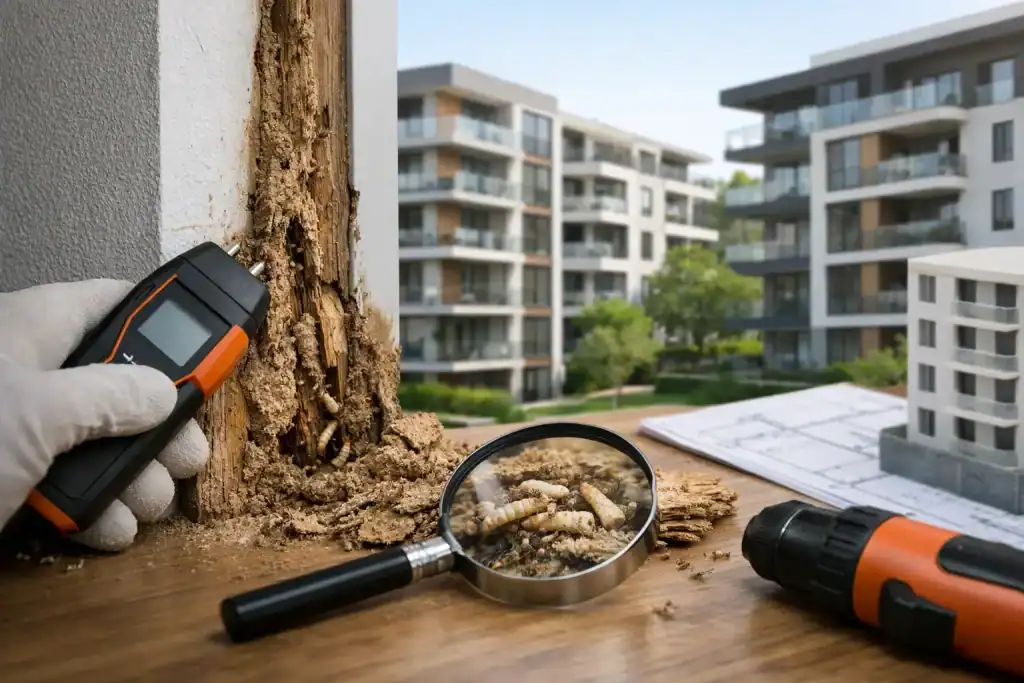
A single termite entry point can become a whole-building problem long before anyone sees damaged timber. Effective termite management for strata buildings is not simply a treatment booked after damage appears. It is an organised, ongoing plan that protects common property, helps lot owners understand their role, and gives the owners corporation a clear record of what has been inspected, found and done.
For strata communities, the stakes are high. Termites can move through wall cavities, subfloors, garden beds and service penetrations without being noticed. By the time mud leads, hollow-sounding timber or blistered paint are visible, repairs may be more involved than the original treatment. A practical prevention plan is usually the most cost-conscious approach.
Why strata termite risk is different
A detached home has one owner making decisions about inspections, repairs and access. In a strata building, termite risk can involve common property, private lots, shared plumbing, landscaping, garages, retaining walls and adjoining structures. Responsibility can also depend on the strata plan, bylaws and the location of the issue.
That makes communication as important as pest control. A resident may report a suspected problem inside their unit, but the entry point could be in a garden bed against an external wall or around a common service pipe. Equally, an untreated timber feature within a private courtyard may create conditions that increase risk near common property.
The owners corporation should seek advice early and check its obligations with its strata manager where responsibility is unclear. Waiting for every detail to be resolved before arranging a professional inspection can allow an active infestation more time to spread.
Sydney conditions can favour termite activity
Termites need moisture, shelter and a path to timber. Leaking taps, poor drainage, dense gardens against walls, timber stored beneath balconies and subfloor ventilation issues can all make a property more attractive. In Sydney’s Northern Beaches and surrounding suburbs, established homes, leafy sites and sloping blocks can create varied termite conditions across the one complex.
This does not mean a well-kept building is automatically safe, or that every building needs the same treatment. It means the inspection and management plan should reflect the building’s construction, age, grounds, previous termite history and moisture risks.
What termite management for strata buildings should include
A useful program starts with a detailed inspection, then continues with prevention, monitoring and clear reporting. One-off treatments have their place when termites are active, but they are not a complete management plan for a multi-residence property.
A thorough inspection of accessible areas
A termite inspection should cover accessible common areas and likely risk zones, including subfloors, roof voids where access is safe, external walls, gardens, retaining structures, fences, meter boxes and service entries. The technician will look for termite workings, damaged timber, moisture sources and construction features that may conceal entry.
Access is a genuine practical issue in strata. Some evidence can be hidden inside individual lots, storage cages or courtyards. The owners corporation or strata manager can make inspections far more effective by notifying residents early, explaining why access matters and coordinating entry where required. No inspection can guarantee the discovery of termites in inaccessible or concealed areas, so the report should clearly state any limitations.
A written report residents and committees can use
Good reporting is more than a tick-box certificate. It should identify active termites if found, outline areas inspected, record conditions that raise risk and set out recommended next steps. Photos and plain-language explanations help committee members make decisions without guessing what the findings mean.
Keeping reports in the strata records also builds a useful history. Future committees, managers and purchasers can see when inspections occurred, where activity was detected and whether recommended repairs were completed. This continuity is particularly valuable when committee members change.
Targeted treatment when activity is confirmed
If active termites are found, treatment must be planned around the species, location, construction and access. Depending on the situation, this may involve a baiting system, a targeted treatment to an active area, or a soil treatment designed to create a treated zone around vulnerable parts of the building.
There are trade-offs. Baiting can be a useful lower-impact option in locations where broad soil treatment is not suitable, but it requires ongoing monitoring and patience. A soil treatment may provide a defined protective zone, yet landscaping, excavation, plumbing works and later building alterations can affect its continuity. The right choice depends on the site, not on a one-size-fits-all promise.
Environmentally responsible termite control does not mean ignoring effective products when they are necessary. It means using the least intrusive method that is appropriate, applying treatments carefully and protecting children, pets and surrounding vegetation from unnecessary exposure. At Clean & Green Pest Control, that safety-first thinking sits alongside clear advice about what treatment can and cannot achieve.
Repairs and moisture control
Pest treatment cannot fix a leaking shower, blocked drainage or timber decay. Once active termites have been addressed, repairs and building maintenance are essential to reduce the chance of another problem. The strata committee may need to arrange plumbing repairs, improve drainage, clear subfloor vents, remove timber debris or adjust garden beds that bridge the gap between soil and walls.
Avoid placing mulch, soil or pavers high against the building exterior. These materials can hide termite entry and make routine inspection harder. Similarly, timber sleepers, planters and stored materials should be kept away from walls where possible.
Setting an inspection schedule that suits the property
Many strata buildings benefit from professional termite inspections at least annually. Higher-risk properties may need inspections every six months, particularly where there has been previous activity, dense vegetation, known moisture problems, extensive timber construction or a history of nearby termite pressure.
An inspection schedule should not be treated as a guarantee that termites will never occur. Termites can enter between inspections. Its value is early detection, documented maintenance and a faster response if conditions change.
Residents are also part of the early-warning system. They should report mud-like leads on walls, skirting boards or piers; soft or hollow timber; unexplained bubbling paint; jammed doors; new moisture marks; or swarms of winged insects. These signs do not always confirm termites, but they warrant prompt assessment. Residents should not disturb suspected termite workings before an inspection, as this can make treatment more difficult and cause the colony to relocate.
Making strata decisions faster and clearer
Delays often occur because no one is sure who approves an inspection, treatment or follow-up repair. A sensible strata termite plan sets this out before there is an emergency. It can nominate a committee contact, identify how urgent works are authorised, keep contractor reports centrally filed and establish how residents will be notified.
It is also worth considering termite risk before planned works such as landscaping, drainage upgrades, paving, renovations or new services. Digging near a treated zone may compromise it. A pest professional can advise whether monitoring points need to be moved, treatment needs reinstatement or access needs to be preserved for future inspections.
Price matters, but the cheapest quote is not always the lowest-cost outcome. Ask what areas will be inspected, whether the report includes clear limitations and recommendations, what treatment method is proposed, how residents and pets will be protected, and what monitoring or follow-up is included. Transparent answers allow the committee to compare like with like.
A practical shared responsibility
The owners corporation cannot inspect behind every resident’s stored belongings without access, and residents cannot manage common-property drainage or landscaping alone. Termite protection works best when everyone has a defined role: the committee arranges regular professional inspections and addresses common-property conditions, while residents report warning signs quickly and keep private outdoor areas reasonably clear of walls and vents.
A calm, documented response is far better than waiting for visible damage. With regular inspections, targeted treatment where needed and building maintenance that removes moisture and concealment, a strata community can protect both its shared investment and the people who call it home.