Commercial Pest Control Northern Beaches
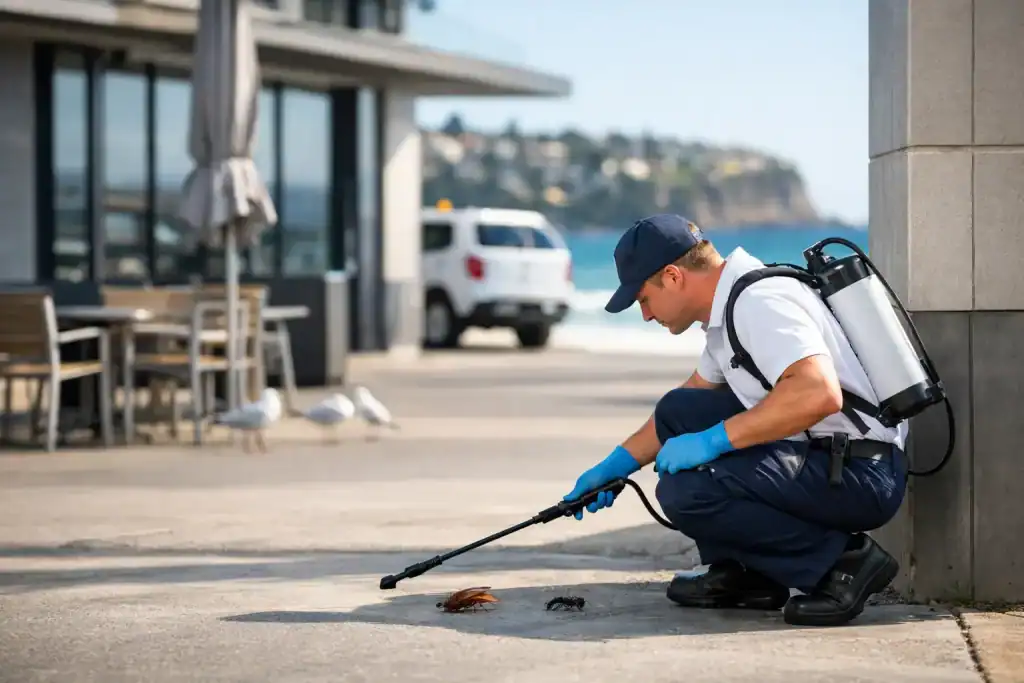
A single cockroach sighting in a café kitchen, ants trailing through a reception area, or birds nesting above an entry can quickly turn into a bigger problem than most businesses expect. For local operators, commercial pest control Northern Beaches services are not just about removing pests on the day. They are about protecting staff, customers, stock, reputation and day-to-day operations without creating unnecessary chemical exposure.
On the Northern Beaches, pest pressure is shaped by the environment as much as the building itself. Coastal conditions, warmer weather, leafy surrounds and steady foot traffic can all make commercial sites more attractive to pests. That is why effective commercial pest management needs to be local, responsive and practical, not generic.
Why commercial pest control on the Northern Beaches needs a local approach
A shopfront in Manly, a childcare centre in Dee Why, a strata complex in Brookvale and a restaurant near the coast do not face the same risks in exactly the same way. Food handling areas often deal with cockroaches, rodents and flies. Office spaces can struggle with ants, spiders and occasional rodent activity. Warehouses may see stored product pests or rodents entering through loading zones. Strata-managed buildings can face a mix of all of the above, especially when bins, gardens, shared basements and service areas are involved.
Local knowledge matters because pest behaviour changes with the setting. Salt air, humidity, drainage, nearby bushland and building age all affect where pests breed, feed and shelter. A treatment plan that works well in one suburb or property type may need adjustment in another. Good commercial pest control is never just a spray and go service. It should start with understanding how the site actually operates.
What businesses are really trying to avoid
Most commercial clients call once they have seen clear signs of a problem, but the real cost usually starts before that. Staff may feel uneasy. Customers notice more than business owners think. Compliance concerns start to build, especially in hospitality, health, education and shared residential settings.
There is also the issue of downtime. If a pest problem affects food prep areas, stock rooms or customer spaces, businesses can lose time and money quickly. For property managers and strata committees, recurring pest complaints can become a constant source of frustration if the underlying causes are never addressed.
That is why prevention matters just as much as eradication. The right service should reduce current activity while also making the site less appealing to pests over time. In practice, that often means combining treatment with advice on sanitation, entry points, storage and waste management.
Commercial pest control Northern Beaches businesses can rely on
For commercial premises, reliability is not a bonus. It is part of the service. Businesses need technicians who arrive when promised, explain what they are doing clearly and work in a way that respects the site, its staff and its customers.
That is especially true when treatment needs to happen around trading hours, tenant access, deliveries or strict health requirements. A good commercial pest control provider will look at timing, risk and disruption before any treatment begins. In some situations, a low-tox or plant-derived option may be the best fit. In others, stronger measures may be needed for faster knockdown or heavy infestations. The right answer depends on the pest, the layout, the sensitivity of the site and the level of activity.
There is no one-size-fits-all approach, and honest advice matters here. If a business only needs a targeted treatment and better prevention steps, that should be said. If a recurring service schedule is the safer option, that should be explained clearly too.
Common pest issues in commercial settings
Cockroaches are one of the most common concerns, particularly in food venues, kitchens, break rooms and warm storage areas. They hide well, breed quickly and can be difficult to control if the source is not identified. Rodents are another major issue, especially where rubbish areas, loading docks and ceiling voids provide easy access. Even a small amount of activity can create serious hygiene concerns.
Ants are often underestimated, but in offices, retail sites and shared buildings they can become persistent, especially in warmer months. Spiders may be less of a compliance issue, but they can still affect presentation and staff comfort. Birds create their own set of problems around signage, rooflines, ventilation systems and outdoor dining spaces. In some locations, ticks and fleas also need attention, particularly around landscaped grounds or pet-friendly areas.
Sensitive sites need safer planning
Many commercial properties cannot simply be treated with harsh chemicals and left to air out. Childcare centres, schools, medical settings, pet-related businesses and occupied offices need a more careful approach. This is where environmentally responsible pest control becomes especially valuable.
Low-tox methods, targeted applications and wildlife-safe practices can reduce unnecessary exposure while still dealing with the problem properly. That does not mean every green treatment is automatically the best option for every infestation. Sometimes the safest result comes from choosing the most precise method, rather than the strongest one. What matters is using the least intrusive effective option for the site.
What a good commercial pest service should include
A worthwhile commercial service should begin with inspection, not assumptions. The technician should look for active pest signs, likely harbourage areas, entry points, moisture issues and the conditions that are allowing pests to return. Without that step, treatment can become repetitive and expensive without solving much.
From there, the service should be tailored to the site. A café may need kitchen-focused control, drain checks and regular monitoring. A strata property may need treatment across common areas, bin rooms, gardens and individual problem zones. An office may need discreet rodent management and after-hours scheduling. Different buildings need different plans.
Clear communication is just as important as treatment itself. Business owners and managers should know what has been found, what is being done, whether any follow-up is needed and how to lower the chance of another outbreak. When pricing, process and arrival times are explained upfront, it removes a lot of the stress from the job.
The value of recurring commercial pest management
For many businesses, one-off treatment is enough for a specific issue. But where there is regular pest pressure, ongoing management often makes better business sense. It is usually easier and less disruptive to control low-level activity early than to respond once pests are well established.
Regular servicing can also support compliance and record-keeping, which matters in hospitality, healthcare, education and managed residential properties. More importantly, it gives businesses a practical routine for monitoring changes in pest activity across the year. Northern Beaches conditions can shift with the seasons, and pests often do the same.
The benefit of a recurring plan is not just frequency. It is consistency. The same site is checked over time, patterns are noticed earlier and small issues are less likely to become major ones.
Choosing a provider for commercial pest control Northern Beaches
Businesses should look for more than a quick quote. Experience with commercial sites, knowledge of local pest patterns and a clear safety focus all make a difference. So does the ability to adapt treatment to occupied environments and explain options in plain language.
For many Northern Beaches businesses, trust comes down to whether the provider understands the balance between effective control and responsible treatment. Fast response matters. So does protecting staff, customers, pets on site and native wildlife where relevant. A family-owned local operator with strong communication and environmentally conscious methods often fits that balance well.
Clean & Green Pest Control is one example of the kind of service many local businesses want – practical, safety-minded and clear about how treatments are carried out.
If you manage a workplace, food venue, strata property or commercial tenancy, the best time to address pest risk is before it affects your reputation or routine. A smart pest plan should feel straightforward, not alarming, and it should leave you with confidence that your premises are protected in a way that suits both your business and your environment.