Wildlife Safe Pest Control That Works
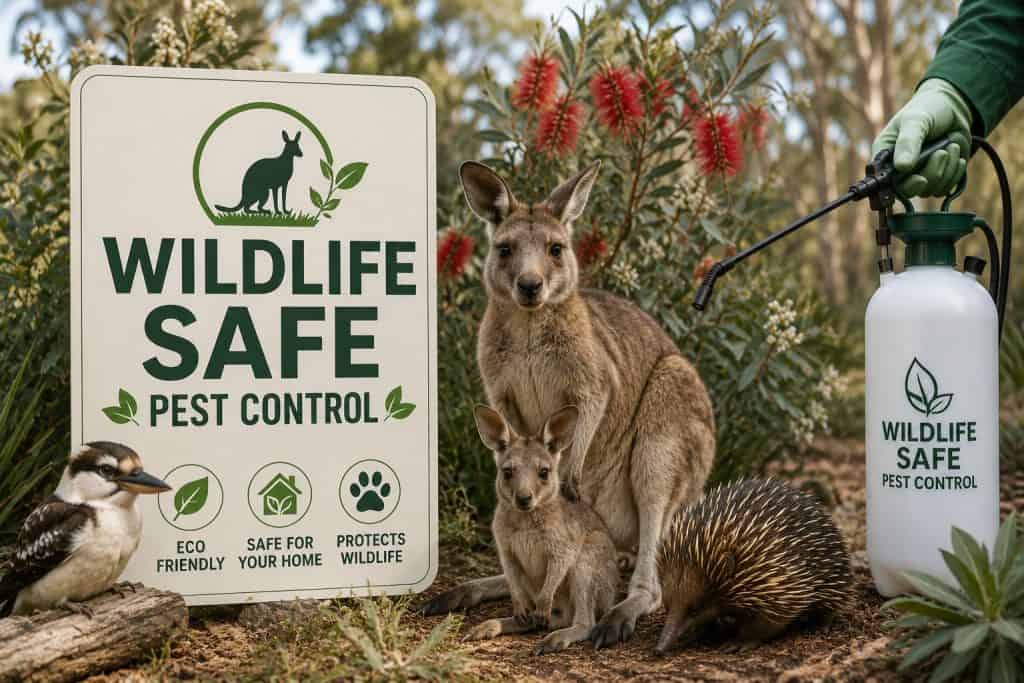
A rat in the roof, cockroaches in the kitchen, termites near the fence line – most people want the problem sorted fast. What they do not want is a treatment plan that puts pets at risk, exposes kids to unnecessary chemicals, or harms the native wildlife that makes the Northern Beaches what it is. That is where wildlife safe pest control matters. It is not about doing less. It is about choosing methods that solve the pest issue properly while protecting the wider environment around your home or workplace.
In suburbs where bushland, backyards and built-up areas sit side by side, pest control needs a bit more thought. Birds forage in gardens, possums move through roof spaces, lizards shelter near retaining walls, and curious dogs investigate anything new on the ground. A treatment that is effective in one setting can create avoidable risks in another. The best result comes from targeted work, careful product choice and a technician who understands the local conditions.
What wildlife safe pest control actually means
Wildlife safe pest control is a practical approach to pest management that reduces harm to non-target animals while still dealing with the pest you called about. In plain terms, it means treating ants without affecting birds, controlling rodents without putting possums at risk, and managing insects without leaving broad chemical exposure around the property.
That usually starts with inspection, not spraying first and asking questions later. A proper assessment identifies what pest is present, where it is active, why it has moved in and what treatment is likely to be effective with the least disruption. In many cases, the safest option is a mix of habitat changes, exclusion work and low-tox or plant-derived products used only where needed.
This is especially relevant in Sydney. Native wildlife often lives much closer to homes and commercial buildings than people realise. A bait station left unsecured, an overapplied surface treatment or the wrong product near a garden bed can affect far more than the original target pest.
Why broad treatments can create bigger problems
There is a reason many people are now asking more questions before booking pest control. Older or overly aggressive methods often relied on heavy blanket treatments. They may have knocked pests down quickly, but they also increased the chance of chemical drift, residue build-up and accidental exposure for pets, children and wildlife.
That does not mean every conventional treatment is unsafe, and it does not mean green or low-tox options are always the right fit. It depends on the pest, the severity of the infestation and the site itself. Severe termite activity, for example, may call for a different strategy than a minor ant issue in a kitchen. The key is proportional treatment – enough to solve the problem, not more than the situation requires.
With wildlife safe pest control, the trade-off is usually precision. It can take a bit more planning and site awareness than a one-size-fits-all spray. In return, you get a method that is better aligned with family safety and environmental responsibility.
How safer pest control works in real homes and workplaces
For most properties, good pest management starts with prevention. If rodents are getting under the house because food waste is accessible, or cockroaches are thriving because of moisture and clutter, no treatment will hold up well unless those conditions are addressed. Safe pest control is not just about the product used. It is about reducing the reasons pests keep coming back.
In practical terms, that may include sealing entry points, adjusting bin storage, trimming vegetation away from structures, removing standing water and improving sanitation around kitchens, storerooms and outdoor areas. In strata and commercial settings, it can also involve shared responsibility, because one untreated area can keep driving activity into another.
When treatment is needed, application matters. Targeted gels, contained baits, dusts in enclosed voids and carefully selected low-tox surface treatments can all form part of a safer plan. The aim is to place products where pests travel and harbour, rather than across every possible surface. Less product in the wrong places is not effective. The right product in the right place usually is.
Wildlife safe pest control for common local pest issues
Rodents
Rodent control is one of the clearest examples of why wildlife-safe methods matter. Loose poison use can affect non-target animals directly or indirectly. Pets may access bait, and native predators can be exposed if they consume poisoned rodents. A safer approach uses secure tamper-resistant bait stations where appropriate, combined with proofing, trapping and hygiene measures.
In some cases, exclusion is the real long-term fix. If rats are entering through gaps in eaves, damaged vents or under doors, treatment without proofing can become an expensive cycle.
Cockroaches and ants
These pests are often best managed with targeted applications rather than widespread spraying. Gel baits, crack-and-crevice treatments and species-specific strategies tend to be more controlled and often more effective over time. This is particularly useful in family homes, food premises and childcare-adjacent environments where minimising unnecessary exposure matters.
Termites
Termite work needs specialist handling because the stakes are higher. Wildlife safety still matters, but so does stopping structural damage before it becomes severe. The right solution may involve a termite inspection, monitoring, and a treatment system suited to the property design and infestation level. Done properly, termite management can be highly targeted rather than disruptive.
Possums and birds
These are not standard pest jobs. They involve protected native animals and need to be handled lawfully and carefully. Humane removal, exclusion and site modification are the priority. If possums are in a roof or birds are nesting around a commercial site, the answer is not harmful treatment. It is understanding behaviour, legal obligations and the right way to prevent repeat access.
What to ask before booking a pest service
If you are trying to choose a provider, ask how they assess wildlife risk on site. Ask what products they use, where they apply them and whether lower-tox options are suitable for your situation. A good operator should be able to explain the treatment in straightforward terms, including any preparation needed and any temporary precautions for pets or children.
It is also worth asking whether the plan includes prevention, not just eradication. Fast relief is important, but long-term control usually comes from a combination of treatment and practical follow-up. For property managers and business owners, clear reporting and reliable attendance matter just as much as the treatment itself.
Local knowledge counts as well. Pest behaviour shifts with season, suburb layout and proximity to bushland or water. A technician familiar with the Northern Beaches is more likely to understand the patterns behind recurring issues and recommend something that suits the site.
The balance between safety and effectiveness
People sometimes assume wildlife-safe treatment means weaker treatment. That is not really how modern pest management works. The better question is whether the method is appropriate. A carefully targeted treatment can outperform a heavy-handed one because it matches the pest’s habits and the property’s conditions.
There are, however, times when stronger measures are justified. Large infestations, high-risk commercial sites and active termite problems may require a firmer response. Even then, the work should still be controlled, compliant and as selective as possible. Safety and effectiveness are not opposites. The best operators know how to manage both.
For many households, reassurance comes from having the process clearly explained. Families want to know what has been used, where it has been used and when normal activity can resume. Businesses want confidence that pest control will not interrupt operations or create avoidable compliance issues. That level of communication is part of the service, not an optional extra.
Why this approach suits the Northern Beaches
The Northern Beaches has a lifestyle and environment worth protecting. Homes back onto reserves, schools sit near green spaces, and commercial properties often operate close to outdoor dining areas, landscaped grounds or shared residential zones. Pest pressure is real, but so is the need to manage it responsibly.
That is why many locals now prefer service providers who combine fast response with environmentally responsible methods. Clean & Green Pest Control reflects that shift by focusing on practical treatment plans that protect homes and workplaces without unnecessary chemical load. It is a service style that fits how people here actually live – family-focused, outdoor-oriented and conscious of the local environment.
If you are dealing with pests, the goal is simple. Fix the problem properly, reduce the chance of it returning, and do it in a way that respects the pets, people and native wildlife around you. That is what good pest control should look like now.