
Why German Cockroaches Are So Hard to Eliminate
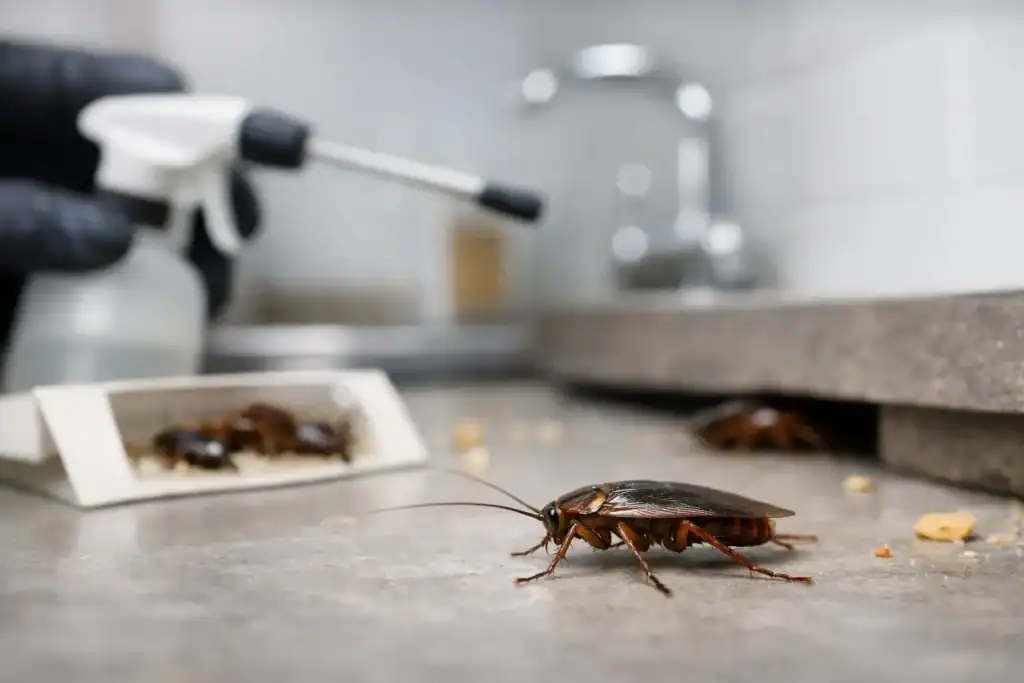
You usually do not see the full problem with German cockroaches until the lights go on at night and something darts behind the toaster. That is one reason why German cockroaches are so hard to eliminate – by the time they are visible, there are often many more hidden in cracks, cupboards, wall voids and appliances.
For households, cafes, strata buildings and rental properties across Sydney, this pest is one of the most frustrating to deal with. They are small, quick, highly adaptable and very good at living close to people. A few sprays from the supermarket can make it look like things are improving for a week or two, but that often only scratches the surface.
Why German cockroaches are so hard to eliminate in real homes
German cockroaches are not just another household pest. They are built for survival in the exact places people live and work. Warm kitchens, bathrooms, laundries, food prep areas and cluttered storage zones give them everything they need – moisture, food residue, darkness and plenty of hiding spots.
What makes them especially difficult is that they do not need much to keep going. A few crumbs under a fridge, grease around a cooktop, moisture under a sink or cardboard stored in a pantry can support a growing population. In apartments and strata complexes, they can also move between walls and shared service areas, which means one unit may be spotless and still experience an infestation coming from elsewhere.
That is why a German cockroach issue is rarely just about cleanliness. Hygiene matters, of course, but it is only one part of the picture.
They breed at a speed most people underestimate
The biggest reason infestations escalate so quickly is reproduction. A female German cockroach carries an egg capsule with dozens of young and can produce multiple capsules over her life. That means a small problem can turn into a serious infestation far faster than most people expect.
This is also why timing matters. If treatment is delayed, the population does not simply stay steady – it multiplies. In busy homes and commercial premises, where there is constant access to food and water, the breeding cycle can continue with very little interruption.
When people say, “I only saw one or two,” that can be misleading. With German cockroaches, seeing a handful often means many more are hidden nearby.
They hide where standard sprays cannot reach
German cockroaches prefer tight, sheltered harbourage points. Think behind splashbacks, inside motor housings of fridges and dishwashers, under benchtops, inside hinges, behind kickboards and in tiny wall gaps. These are not places where a general surface spray is likely to reach properly.
That is part of the reason DIY treatment so often falls short. You might kill the cockroaches crossing the floor, but not the breeding population tucked away in warm, protected spaces. Worse still, some products can scatter the infestation, pushing them deeper into walls or into nearby rooms.
Effective control usually depends on finding where they are nesting, not just treating where they are seen. That requires a more detailed approach than most off-the-shelf products can offer.
Their behaviour works against quick fixes
German cockroaches are mostly nocturnal, fast moving and cautious around changes in their environment. They tend to stay close to harbourage and often travel short distances to feed before returning to shelter. That makes them harder to target than pests that move more openly.
They are also very good at exploiting routines in a home or workplace. If there is nightly access to pet food, unsealed dry goods, grease build-up, leaking taps or overflowing recycling, they will keep finding enough to survive. Even tiny amounts of residue can be enough.
This is where many people get discouraged. They clean thoroughly, use a spray, stop seeing activity for a few days, then the cockroaches return. In reality, the infestation was never fully removed. It was simply disrupted.
Why German cockroaches are so hard to eliminate with DIY products
DIY products can help reduce visible numbers, but they are rarely the full answer for German cockroaches. There are a few reasons.
First, many retail sprays are contact-based. They only work if the insect is hit directly or crosses a treated area. That is a problem when most of the population is hidden. Second, some products are used too heavily or in the wrong places, which can repel cockroaches away from baited zones and make professional treatment less effective.
There is also the issue of resistance. German cockroaches are well known for developing resistance to certain active ingredients over time. So even when a product once worked in the past, it may not work well now. This is one reason professional pest management often involves targeted baiting, insect growth regulators, monitoring and follow-up rather than relying on one treatment method alone.
For families with children and pets, there is another concern – safety. Overapplying household chemicals around kitchens, food storage areas and floors is not a great long-term plan. A more precise treatment approach is usually safer as well as more effective.
Shared buildings make control more complicated
In freestanding homes, the infestation may be mostly contained to one property. In units, townhouses, commercial kitchens and strata-managed buildings, that is not always the case. German cockroaches can travel through wall voids, plumbing penetrations, electrical conduits and shared rubbish areas.
So even if one resident does everything right, activity may continue if surrounding areas are untreated. This is why property managers and strata committees often need a coordinated response rather than isolated spot treatments.
In commercial settings, the stakes are even higher. Food businesses, childcare settings, offices and healthcare-adjacent spaces need pest control that is effective, discreet and compliant, without creating unnecessary risk for staff, customers or residents.
What actually works better
Successful German cockroach control is usually a combination of accurate inspection, targeted treatment and prevention. There is no single magic spray.
A proper inspection matters because treatment needs to match the extent of the infestation and the layout of the property. Kitchens, bathrooms, laundries and appliance zones are common hotspots, but each site is different. Once harbourage points are identified, professional-grade baits and low-tox targeted products can be placed where cockroaches are actually active, rather than where it is simply convenient to spray.
Good results also depend on what happens after treatment. Reducing moisture, storing food in sealed containers, cleaning grease and crumbs from hard-to-reach areas, fixing leaks and cutting down clutter all make the environment less suitable for re-infestation. In severe cases, follow-up visits are often necessary because eggs may hatch after the first treatment.
That does not mean every infestation needs an aggressive chemical response. In fact, the better approach is often the more measured one – targeted applications, lower-tox products where suitable, and a plan that protects children, pets and native wildlife while still getting the infestation under control.
Why early action makes such a difference
The longer German cockroaches are left alone, the more established they become. Once they have multiple harbourage areas and a steady breeding cycle, elimination takes more time and more effort. Early intervention usually means fewer treatment visits, less disruption and a better chance of stopping the problem before it spreads.
That is especially important in homes with young children, in rental properties where pests can move between tenancies, and in businesses where reputation and hygiene standards matter. Cockroaches are not just unpleasant to look at. They can contaminate surfaces and aggravate allergies and asthma in some people.
If you are seeing them during the day, finding egg capsules, or noticing activity in more than one room, the infestation is likely already well established.
A safer, more reliable path forward
German cockroach control works best when it is treated as a proper pest management issue, not just a nuisance. That means understanding the pest, locating the source and using methods that are both effective and sensible for the people living or working in the space.
For many Sydney households and businesses, that balance matters. People want pests gone, but they also want to know the treatment has been chosen carefully. That is where a local, environmentally responsible approach can make a real difference. Clean & Green Pest Control focuses on practical, family-safe treatment strategies that aim to solve the infestation without exposing homes and workplaces to more chemical load than necessary.
If German cockroaches keep coming back, it is usually not because you have done nothing. It is because these pests are built to survive half-measures. The good news is that with the right treatment plan and a bit of persistence, even a stubborn infestation can be brought under control.