
Strata Pest Control Sydney Done Properly
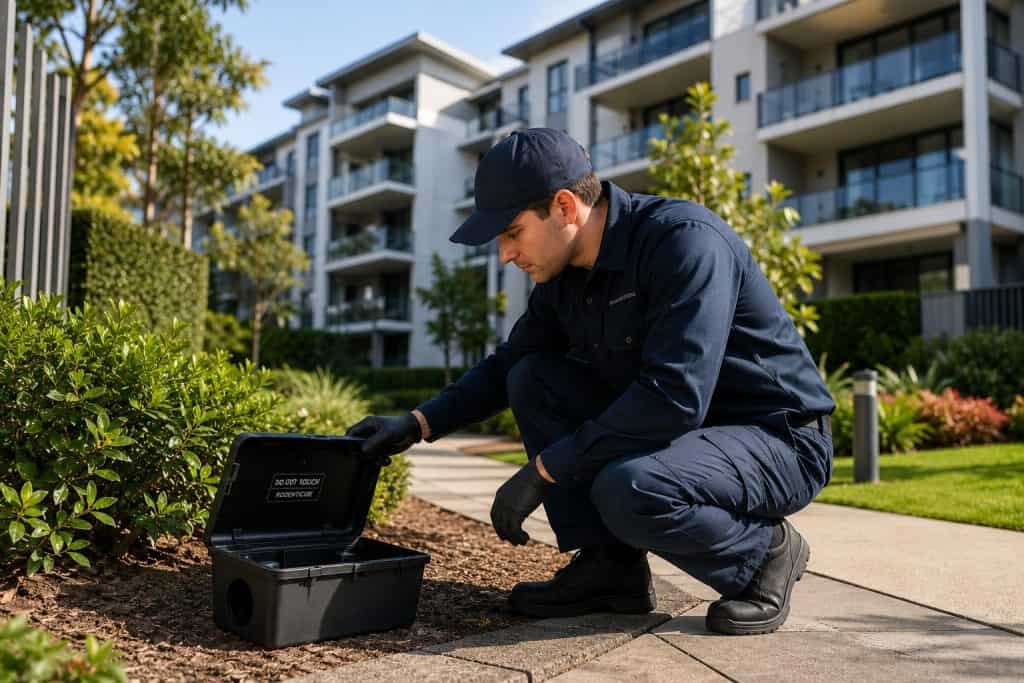
A single cockroach sighting in a unit block rarely stays a single cockroach sighting for long. In strata properties, pests move through wall cavities, bin areas, gardens, roof spaces and shared plumbing with no regard for lot boundaries. That is why strata pest control Sydney property managers and committees rely on needs to be more than a quick spray. It needs to be coordinated, compliant and safe for everyone on site.
Strata buildings come with a different level of responsibility. You are not only dealing with one household or one tenancy. You are balancing resident comfort, common property obligations, contractor access, reporting, safety for children and pets, and the long-term condition of the building itself. A good pest management plan keeps all of that in view.
Why strata pest control in Sydney needs a different approach
Pest issues in strata are rarely isolated. Ants in one kitchen may be linked to garden beds or drainage outside. Rodent activity in the basement can spread to bin rooms, ceiling voids and storage cages. Cockroaches often travel between units through service penetrations and pipework. Termites, of course, do not care where common property ends and private property begins.
That is the main difference with strata work. The visible problem is often only one part of a larger pattern across the site. Treating one unit without checking shared areas may provide short relief, but it does not address the source.
Sydney’s climate adds another layer. Warm conditions, coastal moisture and dense urban living create ideal conditions for cockroaches, rodents, ants, spiders and termites. On the Northern Beaches and surrounding suburbs, gardens, retaining walls, subfloors and leafy common areas can also increase pressure from ticks and other pests. For many complexes, prevention matters just as much as treatment.
What a good strata pest control plan should cover
Effective strata pest control Sydney committees can count on usually starts with a proper site assessment. Not every building has the same risks. A low-rise brick block with external entries presents different issues to a high-rise with basement parking, rubbish chutes and landscaped podium areas.
A useful pest management plan should consider common property, unit access requirements, likely harbourage points, previous pest history, and any vulnerable residents or pets on site. It should also be clear about what is included. That matters because confusion around responsibility is one of the biggest reasons pest problems drag on.
In most strata settings, pest control may involve common areas such as bin rooms, basements, stairwells, gardens, roof voids and external perimeters. Depending on the issue, it may also require coordinated treatment inside affected lots. When treatments are staggered or handled inconsistently, pests often return through untreated areas.
This is where straightforward communication makes a real difference. Property managers and strata committees need notice periods, access arrangements, treatment records and practical advice they can pass on to residents without creating alarm.
Common pest issues in strata properties
Cockroaches are one of the most frequent complaints in apartment and townhouse complexes. German cockroaches in particular spread quickly in kitchens, laundries and shared service areas. They are difficult to control with supermarket products because they breed fast and hide deep in cracks, hinges and appliances.
Rodents are another common issue, especially around bin stores, car parks, gardens and food premises within mixed-use buildings. One of the challenges with rats and mice in strata is that residents may only notice them once the population is already established. Droppings, gnawing, odours and scratching sounds are usually signs the problem has moved beyond a one-off visitor.
Ants can become a persistent nuisance in warmer months, especially where irrigation, mulch, pavers and wall cavities provide ideal nesting zones. Spiders are often a concern around external lighting, balconies, garages and garden edges. Termites are less visible but far more serious. In strata complexes with timber elements, landscaped grounds or moisture issues, regular inspection is essential because structural damage can build quietly over time.
Bird activity can also affect some sites, particularly where rooflines, ledges and shared outdoor areas provide shelter. Possums are another issue in some suburbs, especially where roof voids and nearby trees make access easy. In these cases, the right response is not just removal. It needs to be lawful, humane and designed to reduce the chance of return.
Safe treatment matters when families and pets share the site
In strata properties, one treatment decision affects dozens or even hundreds of people. That is why safety cannot be an afterthought. Residents may include young children, older people, pregnant women, pet owners and people with chemical sensitivities. A careless approach creates understandable concern.
An environmentally responsible pest control provider will look for the least invasive option that still gets results. That may include targeted applications, low-tox products, plant-derived treatments in suitable situations, exclusion work, habitat reduction and clear guidance on re-entry times where needed. It is not about using the strongest product possible. It is about using the right method for the pest, the location and the people living there.
There is a trade-off here worth being honest about. Eco-conscious pest control does not mean doing less. It means being more precise. Some severe infestations may still need stronger measures, but those decisions should be explained clearly, with practical steps to protect residents and minimise disruption.
What strata managers should expect from their pest provider
Reliability matters just as much as technical skill. In strata, delays and vague communication create headaches fast. Property managers need a provider who turns up when booked, explains what has been found, advises what happens next and keeps records that are actually useful.
That includes written reporting, practical recommendations and realistic treatment intervals. It also helps when technicians understand how strata works on the ground. Access windows, resident notices, caretaker coordination and after-hours requirements are all part of the job.
Good providers also avoid overpromising. Not every pest issue is solved in one visit, especially in larger buildings or where sanitation, moisture or structural gaps are contributing factors. Honest advice is more valuable than a quick promise that fails three weeks later.
Preventing repeat infestations in strata buildings
The most effective pest control work combines treatment with prevention. In strata settings, repeat activity often comes back to the same few conditions: food waste, moisture, access points and shelter.
Bin rooms should be cleaned regularly and kept in good repair. Gardens should not be allowed to create hidden nesting zones against the building. Storage in basements and plant rooms should be managed so technicians can inspect properly. Leaks, cracked vents, damaged seals and gaps around pipes need attention because pests use them as highways.
Resident cooperation also matters. Even the best common area treatment has limits if food is left out, pet bowls sit overnight on balconies, or rubbish chutes and bins are used carelessly. The goal is not to blame residents. It is to give them clear, practical advice that helps the whole building stay protected.
For termite risk, routine inspections are one of the smartest investments a strata scheme can make. By the time termites are obvious, damage may already be extensive. A scheduled inspection program can identify conducive conditions early, before repair costs climb.
Choosing strata pest control Sydney residents can trust
If you are comparing providers, look beyond price alone. Cheap pest control can become expensive when the issue returns, residents complain, or the treatment used is not right for a shared living environment. The better question is whether the provider understands strata obligations, communicates clearly and uses methods that are effective without exposing people and animals to unnecessary risk.
For many Sydney schemes, especially family-heavy complexes and pet-friendly communities, that balance really matters. A local team with experience across common pests, termite inspections and wildlife-safe solutions can offer far more value than a generic once-over.
Clean & Green Pest Control works with that mindset – practical protection, safer treatment options and honest communication from booking through to follow-up. In strata, that consistency is not a bonus. It is part of doing the job properly.
When a building is looked after well, pest control becomes far less reactive. Residents feel more comfortable, managers spend less time chasing complaints, and the property stays in better shape for the long run. That is the kind of quiet result every strata scheme should be aiming for.