
Pet Safe Flea Treatment Review for Sydney Homes
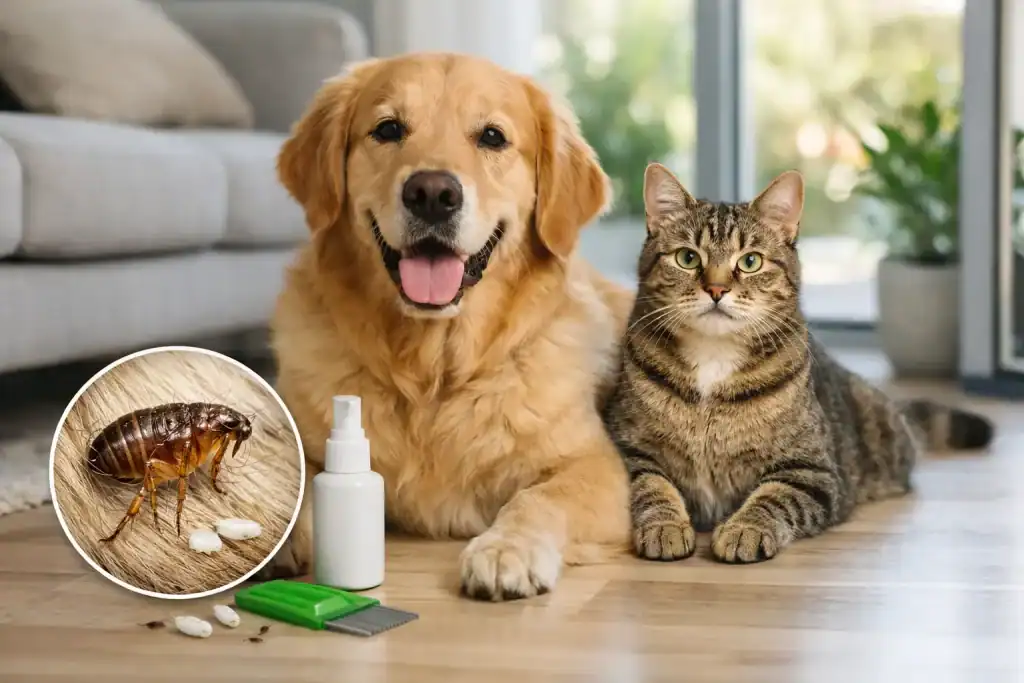
A flea problem can begin with one scratching pet, then quickly become a household problem. This pet-safe flea treatment review looks beyond the promise on a bottle or packet to help Sydney families choose treatments that control fleas without creating unnecessary risk for pets, children or native wildlife.
The short version is that the safest effective approach is rarely one product used once. Fleas spend much of their life cycle away from your pet, hiding in carpet, bedding, cracks near skirting boards and shaded outdoor areas. A treatment can be gentle in use and still be highly effective when it is paired with the right pet care, cleaning and follow-up.
What “pet-safe” should really mean
“Pet-safe” does not mean a product is harmless in every circumstance. It means the treatment can be used safely when the label directions, species restrictions, application rates and re-entry times are followed. A product suitable for a dog may be dangerous for a cat, while a treatment that is low risk once dry may still need to be kept away from pets during application.
This distinction matters most in homes with cats, puppies, older animals, birds, fish tanks or pets with existing health concerns. Cats are particularly sensitive to some ingredients commonly used in dog flea products, including permethrin. Never assume a dog treatment can be shared between pets because the packaging looks similar or the flea problem is urgent.
For a reliable decision, consider three questions: is the product approved for your pet’s species and weight, will it address the flea stage you are dealing with, and can your household follow the handling instructions properly? If any answer is unclear, speak with your vet or a qualified pest professional before treating.
Pet-safe flea treatment review: the options compared
There is no single best flea treatment for every home. The right choice depends on whether fleas are mainly on the pet, established indoors, coming from the yard, or being brought in by visiting animals. Here is how the main options compare in real homes.
Vet-recommended pet treatments
Vet-recommended oral tablets, topical spot-ons and collars are often the strongest starting point because fleas need a host to feed on. These products may kill adult fleas quickly, break the breeding cycle or provide protection for several weeks to months, depending on the product.
The benefit is targeted control. Rather than broadly treating every surface first, you protect the animal that fleas are feeding on. The trade-off is that the medicine must be matched carefully to the pet. Age, weight, species, medication history and any prior reactions all matter. Some animals can experience temporary side effects, so follow veterinary advice and monitor your pet after first use.
When there are multiple pets, every suitable host generally needs treatment at the same time. Treating only the visibly itchy dog while leaving the cat untreated can allow the infestation to continue.
Household sprays and professional treatments
Indoor flea sprays can help when eggs, larvae and pupae have accumulated in carpet, rugs, upholstered furniture or under beds. The more useful products are designed to manage adult fleas as well as interrupt development of immature stages. This is why a household treatment can be necessary even after your pet has started flea medication.
Safety depends on careful application, not simply whether a product is labelled natural or low odour. Pets and children should be out of the treatment area while products are applied and until surfaces are completely dry, in line with label directions. Food bowls, toys, bedding and fish tanks need suitable protection or removal before treatment.
A professional treatment is often the better option when fleas have spread through several rooms, when bites continue despite home products, or when the household includes vulnerable pets. At Clean & Green Pest Control, treatment decisions are based on the home, the affected areas and the animals living there, with an emphasis on low-tox and targeted methods where appropriate.
Plant-derived and “natural” products
Plant-derived ingredients can have a place in a lower-tox pest management plan, but natural does not automatically mean safe for every animal. Essential oils and concentrated botanical products can irritate skin, affect breathing, or cause serious illness if licked or used incorrectly around cats and birds.
Be wary of any product that claims to be completely chemical-free yet promises instant, permanent flea eradication. Everything that controls fleas works through an active ingredient or physical action. The practical question is whether the product has clear instructions, credible safety information and a role in an overall treatment plan.
For light flea activity, regular washing, vacuuming and veterinary-approved pet protection may be enough. For a well-established infestation, relying on a scented household spray alone usually means fleas return a few weeks later.
Flea shampoos and washes
Flea shampoos can remove or kill fleas that are on a pet at bath time. They may provide immediate relief for a badly affected animal, but most have limited residual protection. In other words, a clean pet can pick up new fleas soon afterwards if eggs and larvae remain in the home or yard.
Frequent bathing can also dry the skin and make scratching worse. Use a shampoo specifically approved for your pet, avoid contact with eyes and mouth, and do not combine treatments without checking whether the active ingredients are compatible.
Why fleas keep coming back after treatment
The flea life cycle is the reason many otherwise sensible treatments seem to fail. Adult fleas live on animals and lay eggs that fall into the environment. Eggs develop into larvae, then pupae, which can remain protected inside a cocoon until warmth, movement or carbon dioxide signals that a host is nearby.
That protected pupal stage is difficult for many treatments to reach. You may see adult fleas emerging for days or weeks after the first treatment, especially in warm, humid conditions. This does not always mean the treatment was ineffective. It can mean new adults are emerging and need to encounter the ongoing pet protection or follow-up household control.
A good plan allows for this timing. It controls existing adults, reduces immature fleas in the environment and keeps pets protected long enough to stop the next generation from breeding.
The home routine that makes treatment work
You do not need to scrub every centimetre of the house, but consistent cleaning makes a substantial difference. Vacuum carpets, rugs, lounges, pet sleeping areas and along skirting boards regularly during an active infestation. Empty the vacuum contents into a sealed bag and place it in the outdoor bin promptly.
Wash pet bedding, throws and removable covers on the warmest setting the fabric safely allows. If your pet sleeps on the lounge or bed, include those areas. Focus on the spaces where animals rest, rather than treating the whole home as though every room has the same level of activity.
Outdoors, fleas favour shaded, protected, slightly damp spots where pets rest – under decks, around kennels, beneath dense shrubs and along fence lines. Keep grass maintained, clear leaf litter and reduce clutter where possible. Yard treatment may be worthwhile when pets spend a lot of time outside or wildlife and roaming animals are regularly visiting.
Safety checks before any flea treatment
Before applying a product or arranging a treatment, check the active ingredient, approved species, age and weight limits, and the directions for mixing, application and re-entry. Store all flea products securely, well away from curious children and animals.
Tell your pest technician about every animal in the household, including fish, birds, reptiles and visiting pets. Also mention pregnancy, young children, asthma, allergies or any animal with a history of skin or neurological reactions. These details allow the treatment method and preparation advice to be tailored rather than guessed.
If a pet shows drooling, vomiting, tremors, unusual tiredness, breathing changes or skin swelling after exposure to a flea product, contact a veterinarian straight away. Keep the packaging available so the active ingredients can be identified quickly.
When to call for professional flea control
Home treatment is often enough for a small, early problem. Professional help is sensible when bites are continuing, fleas are appearing in multiple rooms, pets are being repeatedly reinfested, or you need a plan that accounts for children, sensitive animals and wildlife around the property.
A responsible technician should explain where treatment is needed, how you should prepare, when pets can return to treated areas and whether a follow-up is likely. Clear advice is part of safe pest control, not an optional extra.
The most reassuring flea treatment is not the one with the loudest safety claim. It is the one that is suitable for your pets, applied correctly and supported by enough follow-through to stop fleas finding their way back into the family home.