
Rodent Entry Points Sydney Homes Miss
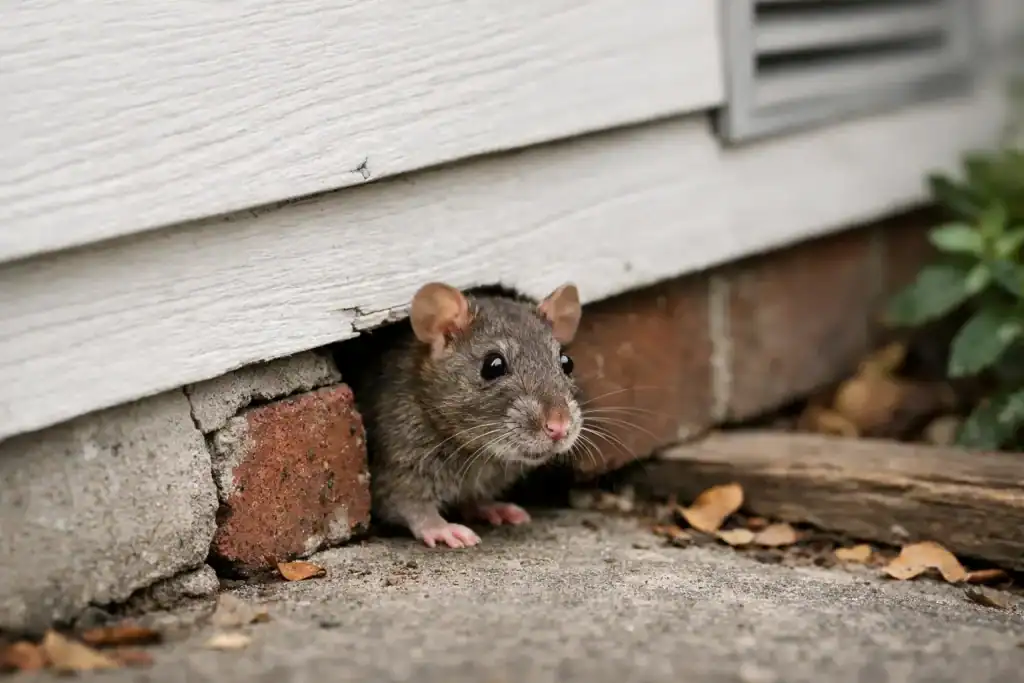
Most rat and mouse problems do not start with a full-blown infestation. They start with a gap you barely notice – a cracked vent, a poorly sealed pipe, a broken roof tile, or a door that does not quite meet the frame. When people search for rodent entry points Sydney properties commonly have, they are usually trying to solve a frustrating pattern: scratching at night, droppings in the pantry, or repeat visits from pests that seem to come back no matter how often the place is cleaned.
That frustration is understandable. In Sydney homes and commercial buildings, rodents are opportunists. They do not need a large opening, and they are not put off by tidy kitchens or well-kept gardens if shelter, warmth, and food are nearby. The good news is that once you know where they are getting in, prevention becomes much more effective.
Why rodents get inside so easily
Rats and mice are built for access. Mice can squeeze through openings as small as a 10 cent coin, and rats can force themselves through gaps that look far too small at first glance. They follow warmth in winter, easy water sources in summer, and protected nesting spots all year round.
In many Sydney suburbs, especially around leafy streets, older homes, strata properties, and buildings close to bushland or waterways, access points are common. Renovations can also create hidden vulnerabilities. A beautiful new kitchen does not help much if the pipe penetrations under the sink were never sealed properly.
Rodents are also excellent climbers. Many people assume the risk is only at ground level, but roof voids, upper balconies, pergolas, and overhanging tree branches can all become part of the route indoors.
The most common rodent entry points Sydney properties have
The biggest problem areas are usually not dramatic. They are the small construction details that wear down over time.
Gaps around pipes and conduits
Where plumbing, gas lines, electrical conduits, or air-conditioning services enter a wall, there is often a narrow gap left behind. These are some of the most common access points for mice, particularly around kitchens, laundries, bathrooms, and utility areas. If the opening leads into a wall cavity, rodents can travel unseen through the building before emerging where food or nesting material is available.
Broken vents and weep holes
Subfloor vents, wall vents, and damaged grilles are regular trouble spots. Weep holes are necessary for drainage in brickwork, but if they are not properly protected with rodent-resistant covers, they can become an easy path inside. The trick here is to protect them without blocking their intended function.
Roof gaps and damaged eaves
Loose roof tiles, separated flashing, damaged fascia, and open eaves create sheltered entry routes, especially for roof rats. Once they are in the roof void, they can spread quickly, chew wiring, foul insulation, and make plenty of noise overhead. This is one reason rodent issues are often mistaken for possums at first.
Door and window gaps
A worn weather seal or a small gap under a roller door can be enough. This matters in homes, but it is especially relevant for garages, storage areas, cafes, storerooms, and strata bin rooms. Rodents prefer low-risk access, and ground-level gaps are ideal if they lead to clutter, pet food, or rubbish.
Under-deck and subfloor access
Raised homes and properties with timber decks often have concealed access points underneath. If lattice, screening, or subfloor barriers are broken, rodents can nest undisturbed and then move into wall cavities or internal rooms.
Cracks in walls and foundations
Small cracks may not look like a pest issue, but if they widen around expansion joints, service entries, or ageing masonry, they can create direct access. These cracks also tend to be ignored because they develop slowly.
Signs an entry point is active
Not every gap is being used, so it helps to know what active access looks like. Fresh droppings are an obvious clue, especially near skirting boards, in cupboards, or along walls. Greasy rub marks can appear where rats repeatedly squeeze through the same opening. You may also notice scratching sounds at dusk, shredded material used for nesting, or a strong stale odour in enclosed spaces.
Outside, look for burrows near footings, gnaw marks on timber or plastic, disturbed insulation, and runways along fences or walls. In commercial or strata settings, sightings around bin storage areas or loading zones often point to a nearby access route rather than a random appearance.
Why DIY sealing often fails
A common mistake is sealing the visible gap without checking whether rodents are already inside. If access is blocked before the internal issue is addressed, the pests may simply move deeper into the property, create new openings, or die in inaccessible areas.
Material choice matters too. Standard foam on its own is rarely enough. Rodents can chew through many soft sealants, weathered timber, plastic screens, and thin rubber. Effective proofing usually needs a combination of inspection, targeted treatment if required, and durable exclusion materials suited to the opening.
There is also a balance to strike. Some vents, drainage points, and building gaps cannot just be filled indiscriminately. They may serve moisture control, airflow, or drainage functions. Blocking them the wrong way can create building problems without solving the rodent risk.
High-risk areas around homes and businesses
Some properties are more vulnerable than others. Homes with fruit trees, compost bins, chicken feed, pet food, or dense garden cover naturally attract more rodent activity. Waterfront areas, laneways, food precincts, and buildings near reserves also see higher pressure because rodents have steady access to water and shelter.
In commercial sites, the risk often comes from routine operations. Deliveries leave roller doors open, stock creates hiding spots, and food waste increases attraction. In strata complexes, one poorly sealed storeroom or bin area can affect multiple lots. That is why recurring rodent issues are rarely solved by baiting alone. If the entry route stays open, the problem stays active.
How a proper rodent inspection works
A useful inspection does more than confirm that rodents are present. It identifies how they are entering, what is attracting them, and whether the issue is localised or spread through the structure.
A technician will usually assess roof voids, subfloors, external walls, service penetrations, garages, kitchens, storage zones, and garden edges. They will look for droppings, grease marks, gnawing, nesting material, and patterns of movement. This helps separate an isolated mouse issue from a broader infestation involving roof rats, Norway rats, or multiple access points.
For families, this matters because the safest result is not simply fewer rodents for a week or two. It is a solution that reduces ongoing exposure to droppings, contamination, and chewing damage while keeping treatment appropriate for children, pets, and native wildlife.
Safe prevention steps that genuinely help
Good prevention starts with sanitation, but it does not end there. Clean spaces can still have rodent activity if access remains easy. The most effective approach combines food control, habitat reduction, and professional proofing.
Store pantry goods and pet food in sealed containers rather than soft packaging. Keep bins shut, and avoid leaving fallen fruit on the ground. Trim branches away from the roofline where possible, and reduce dense vegetation against walls. Fix leaking taps and drainage issues because water sources help sustain rodent activity.
Then focus on the building itself. Worn door seals, broken vents, gaps around pipes, and roof defects should be repaired with rodent-resistant materials. In many cases, this is where professional advice saves time. It is easy to miss a secondary entry point, especially in roof spaces or behind appliances.
When it is time to call in a professional
If you are seeing droppings repeatedly, hearing movement at night, noticing chewed packaging, or finding that traps are only giving temporary relief, the issue has likely moved beyond a simple DIY fix. The same applies if the property is a childcare setting, food business, strata complex, or home with pets and young children where treatment choice needs extra care.
This is where an experienced local team can make a real difference. Clean & Green Pest Control focuses on practical pest management that does not rely on heavy-handed chemical use where a safer, targeted option is better suited. That means looking at the whole picture – access, nesting, attraction, treatment, and long-term prevention – rather than just the symptom you can see.
Rodent proofing is not one-size-fits-all
A freestanding family home in the Northern Beaches has different pressure points from a terrace in the Inner West or a strata block on the North Shore. Newer homes can have hidden service gaps. Older homes often have ageing vents, warped doors, and roofline weaknesses. Restaurants and cafes face compliance and reputation risks as well as pest pressure.
That is why the best results come from a tailored inspection rather than a generic checklist. The goal is not to scare people with worst-case scenarios. It is to find the real entry points, fix them properly, and make the property less attractive to rodents going forward.
If rodents are getting inside, they are following a path that can usually be traced. Finding that path early is the difference between a minor proofing job and a much bigger clean-up later.