Are Pest Control Chemicals Safe at Home?
You spot a trail of ants near the pantry, hear scratching in the roof, or find termite activity around a window frame – and the next question comes quickly: are pest control chemicals safe? For most households, the honest answer is yes, when the right product is used in the right place, at the right dose, by a qualified professional. But safety is never just about the chemical itself. It depends on how it is selected, applied and managed afterwards.
That matters even more for families on Sydney’s Northern Beaches, where homes often include young children, pets, gardens and nearby native wildlife. People do not just want pests gone. They want confidence that the treatment will not create a bigger problem indoors, in the yard, or around the local environment.
Are pest control chemicals safe for families?
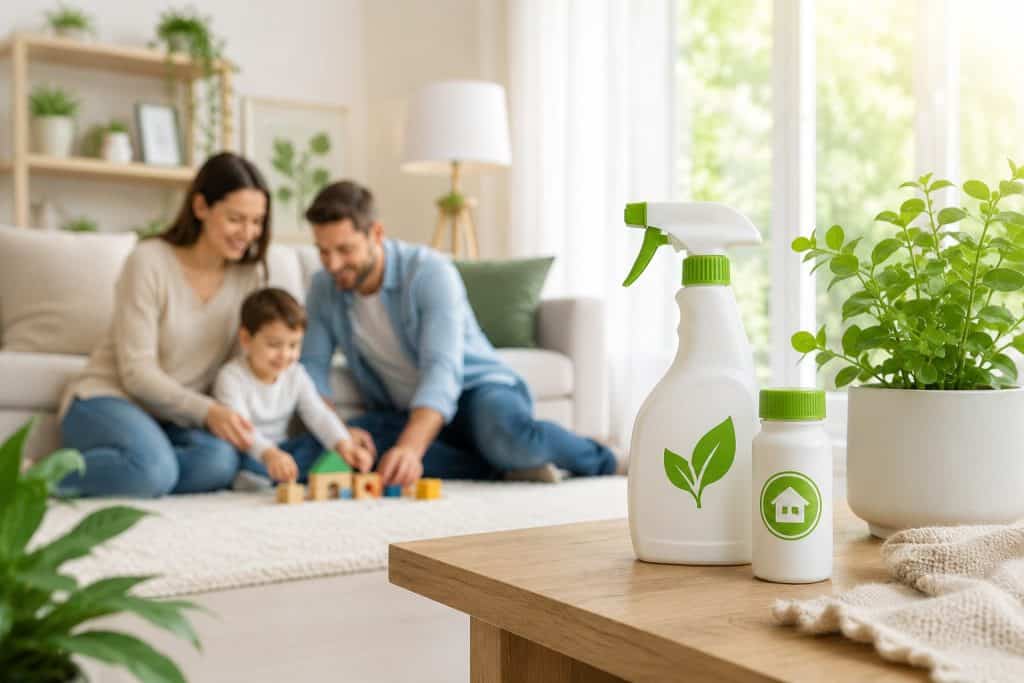
In many cases, modern pest control products can be used safely around people and pets. The key point is exposure. A product may be approved for use in homes, but that does not mean every treatment is suitable for every household or every pest issue.
A low-tox gel placed inside a kitchen hinge area is very different from a broad surface spray across a child’s play space. A targeted termite treatment around the structure is different again. The safety profile changes based on where the product goes, how much is used, who might come into contact with it, and whether there are pets, fish tanks, birds or sensitive residents in the property.
This is where professional judgement matters. A careful technician should ask about children, pets, allergies, pregnancy, medical concerns and wildlife before treatment begins. They should also explain what is being used, where it will be applied, and whether any short-term precautions are needed.
What actually affects chemical safety?
People often assume the word chemical automatically means dangerous. In pest control, that is too simple. Water is a chemical. So is vinegar. The real question is toxicity and exposure together, not fear based on the label alone.
The first factor is the active ingredient. Some products are designed to act at very low doses and can be applied in highly targeted ways. Others are stronger, longer lasting or more suitable for outdoor perimeter work. One product might be appropriate for crawling insects, while another is designed specifically for termites or ticks.
The second factor is formulation. Dusts, gels, baits, foams and sprays behave differently. Baits and gels are often preferred in sensitive indoor settings because they can be placed precisely into cracks, crevices or bait stations rather than spread across open surfaces. That can reduce unnecessary contact.
The third factor is application method. Even a lower-tox product can be misused if it is overapplied, placed in the wrong area or used without regard for pets and residents. A well-planned treatment uses the minimum effective amount and focuses on where pests live, travel and breed.
The final factor is the environment around the treatment. A freestanding home with good ventilation is different from a childcare setting, a café, a strata block or a property with a curious Labrador that licks every skirting board in sight.
Why low-tox and plant-derived options matter
For many common pest problems, lower-tox and plant-derived solutions can reduce risk while still getting results. That is especially appealing for households that want to limit harsh chemical use without simply putting up with cockroaches, ants, spiders or fleas.
That said, green pest control does not mean weak pest control. It means using safer chemistry and smarter application methods where they are appropriate. It also means being honest about trade-offs. Some natural or low-tox options may need more careful follow-up, better sanitation, or repeat visits to maintain control. In other cases, they perform extremely well because the treatment is targeted and paired with prevention.
At Clean & Green Pest Control, this approach suits the way many local families want to manage their homes – effective treatment, less unnecessary chemical load, and a strong focus on pets, children and native wildlife.
Are indoor treatments different from outdoor ones?
Yes, and that distinction is important. Indoor treatments generally call for more precision because the chance of direct human contact is higher. In kitchens, bedrooms, living areas and workplaces, good pest control is usually about targeting harbourage points rather than blanketing the whole room.
Outdoor treatments involve different risks. Products may be exposed to rain, garden beds, runoff, bees or local wildlife. In coastal and bush-adjacent suburbs, technicians need to think beyond the fence line. The safest outdoor treatment is not just effective against pests. It also respects surrounding plants, waterways and non-target animals.
This is why one-size-fits-all pest control often causes concern. What works for a warehouse may not be suitable for a family home. What works in a detached house may not be right for a strata complex with shared gardens and pets moving through common areas.
What about children and pets?
Children and pets are usually at greater risk of accidental exposure because they spend time on floors, touch surfaces and may put hands or objects in their mouths. Dogs and cats also groom themselves, which increases the chance of picking up residue if products are applied carelessly.
That does not mean pest control should be avoided. It means treatment plans should be tailored. In some homes, the safest option is baiting and crack-and-crevice work rather than general spraying. In others, a short period out of the treated area may be advised until surfaces are dry and the space is ventilated.
Pet owners should always mention fish tanks, bird cages, reptile enclosures and outdoor poultry, not just cats and dogs. These can require specific precautions. A responsible provider will give clear instructions before treatment and practical aftercare, not vague reassurance.
Termites, ticks and harder pest problems
Some pest issues leave less room for compromise. Termites can cause major structural damage, and tick control may be critical where people or pets face repeated exposure. In these situations, the safest choice overall may be a professionally managed treatment rather than delaying action.
That is one of the most overlooked parts of the safety conversation. Untreated pests carry their own risks. Cockroaches can spread contamination. Rodents can damage wiring and food storage areas. Ticks can affect both people and pets. Termites can quietly weaken a building before there is any obvious sign.
So the question is not simply whether chemicals are safe. It is whether the treatment plan is safer than the pest problem itself, and whether it has been designed to minimise unnecessary exposure while solving the issue properly.
How to tell if a pest control service is taking safety seriously
You can usually tell a lot before the first treatment starts. A safety-focused company should ask detailed questions, inspect properly and avoid promising the same treatment for every property. They should be willing to explain why a product has been chosen and whether a lower-tox option is suitable.
Good signs include clear preparation advice, honest discussion about re-entry times if needed, attention to pets and children, and a prevention plan that reduces reliance on repeat chemical use. Safety is not just what gets sprayed. It is also sealing entry points, removing food sources, improving storage, managing moisture and monitoring activity over time.
If a provider dismisses your concerns, refuses to explain products, or pushes heavy treatment without inspection, that is a warning sign.
Practical steps homeowners can take
Even the best treatment works better, and more safely, when the household does its part. Clean surfaces, secure food, reduce clutter, empty rubbish promptly and fix leaks. Outdoors, trim back vegetation touching the house, manage standing water and keep pet feeding areas tidy.
These steps help reduce pest pressure, which in turn can reduce how much treatment is needed. Prevention is not a substitute for professional control when there is an active infestation, but it is often the difference between a short-term fix and lasting peace of mind.
The most honest answer
So, are pest control chemicals safe? They can be, and often are, when they are chosen carefully, applied professionally and supported by sensible precautions. But safe pest control is never about using the strongest product and hoping for the best. It is about using the least intrusive effective option for the job, with clear communication and respect for the people, pets and environment around it.
If you are weighing up treatment for your home, ask better questions rather than settling for quick assurances. What product is being used? Why this method? What should you do before and after? A good pest professional will answer plainly. That kind of clarity is often the best sign you are in safe hands.