
Can You Sell a House With Termites?
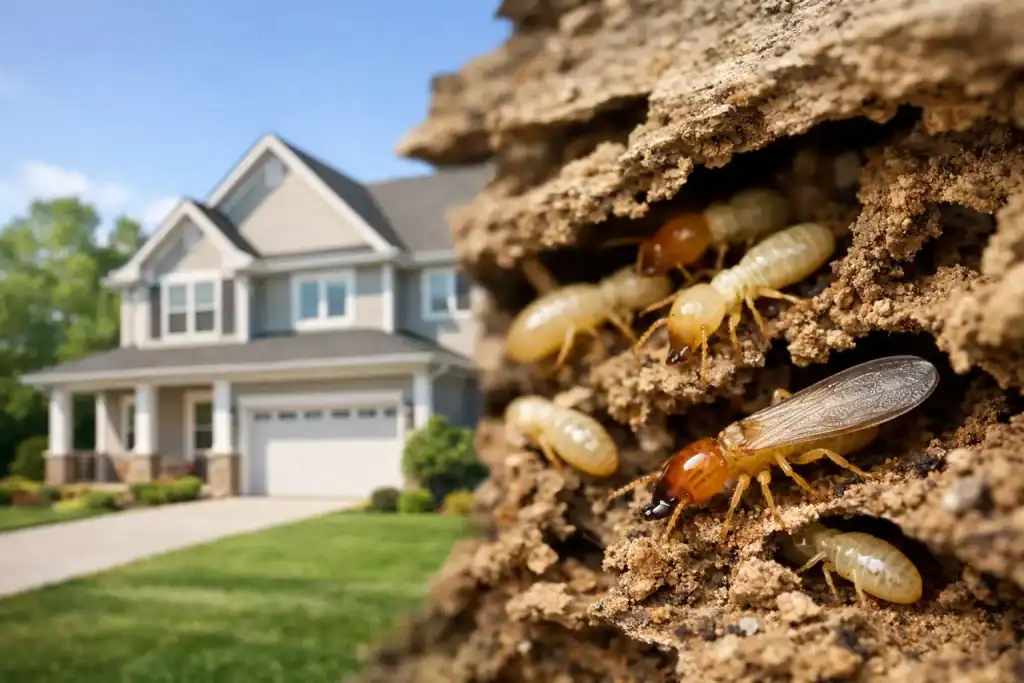
A termite problem can knock the confidence out of a sale very quickly. If you are wondering, Can You Sell a House With Termites?, the short answer is yes – but you need to handle it properly. Buyers, agents and conveyancers will all look at termite activity very differently depending on whether it is current, how much damage exists, and whether you have clear inspection and treatment records.
In Australia, selling a home with termites is not automatically off the table. What matters is disclosure, evidence and timing. If you try to gloss over an active infestation or visible damage, you can lose buyer trust fast. If you deal with the issue early, document the condition of the property and show what has been done, you are in a much stronger position.
Can You Sell a House With Termites if the Property Is Treated?
Yes, and in many cases that is the smartest path. A home that has had termite activity but has since been professionally treated is usually easier to sell than a home with an untreated or unknown issue. Buyers do not expect every older property to be perfect. What they want is clarity around the risk.
A professional termite inspection helps establish whether there is active infestation, old damage, or signs of previous treatment. Those are very different scenarios. Active termites suggest an immediate problem. Old damage with no current activity may still affect value, but it is easier to assess and negotiate around. A treated property with a documented management plan often feels less risky than a property where nobody has checked.
This is where sellers often make a costly mistake. They assume it is better not to investigate in case the report finds something. In reality, uncertainty usually costs more than a clear diagnosis. When buyers sense there may be hidden timber damage, they tend to lower their offers or walk away altogether.
What You Need to Disclose
Property disclosure rules can vary depending on the state, the contract process and what you already know about the property. That means you should always get legal advice from your conveyancer or solicitor before listing. Still, one principle is consistent: if you know there is a termite issue, hiding it is a bad idea.
If you have had a termite inspection, treatment, repairs or ongoing management work, keep those records ready. A buyer who sees organised paperwork is more likely to believe the problem has been taken seriously. A buyer who finds out about termites through their own building inspection may assume there is more you have not said.
Disclosure is not just about ethics. It is practical. A sale can collapse late in the process if a building and pest report reveals active termites, fresh damage or poor repairs that were not previously discussed. That wastes time, adds stress and can force you back onto the market with a stigmatised property.
How Termites Affect Sale Price
There is no single discount rate for a termite-affected home. The impact on value depends on the extent of damage, whether the infestation is active, the age and type of the property, and how strong the local market is.
A house with minor, repaired damage and proof of treatment may only see a modest pricing impact. A house with active termites, structural timber damage or obvious neglect can face much tougher negotiations. Buyers will factor in not only repair costs, but also the inconvenience, uncertainty and fear of future infestation.
The emotional side matters more than many sellers realise. Termites make buyers nervous because the damage is often hidden. Even when the issue is manageable, people imagine worst-case scenarios. That is why transparent information is so important. It reduces the unknowns.
If you are selling in a competitive market, some buyers may still proceed readily if the property is well located and the issue has been addressed. In a slower market, buyers are more likely to use termite findings as leverage to ask for repairs, a reduced price or more favourable settlement terms.
Should You Treat Termites Before Selling?
In most cases, yes. If termites are active, arranging professional treatment before the property goes on the market is usually the better option. It shows responsibility, helps prevent further damage and gives buyers a clearer picture of what they are purchasing.
There are a few reasons this approach works better. First, active termites can continue damaging the home while you are trying to sell it. Second, untreated infestations tend to trigger stronger reactions during buyer inspections. Third, once treatment is complete, you can provide documentation that supports your asking price.
That does not always mean you need to complete every repair before listing. Sometimes it is enough to treat the infestation, obtain a clear report on current activity, and then decide whether repairs should be done or reflected in the sale price. The right approach depends on your budget, timeline and the condition of the property.
For families and property owners who want a safer approach, low-tox and environmentally responsible termite management can also be part of the conversation. Buyers with children or pets often appreciate knowing the property was handled carefully rather than with a heavy-handed treatment approach.
Pre-Sale Inspection Is Usually Worth It
A pre-sale timber pest inspection gives you a chance to see the property through a buyer’s eyes before negotiations begin. That can be incredibly useful.
If the report is clean, you gain confidence. If it finds termite activity or damage, you have time to respond instead of scrambling after a buyer raises concerns. You can treat the issue, get quotes for repairs, gather records and decide how to present the property honestly.
This step also helps avoid price shocks. Sellers often overestimate what buyers will tolerate when problems come out late. A pre-sale inspection gives you control over the process and lets you plan rather than react.
In areas with high termite pressure, including parts of Sydney’s leafy suburbs and coastal environments, many experienced buyers already expect timber pest risks to be part of the due diligence process. Getting ahead of that can make the sale smoother.
What Buyers Will Want to See
Most buyers are not expecting a guarantee that termites will never return. They know that no home is completely immune. What they do want is reassurance that the property has been inspected properly and managed responsibly.
That usually means being able to provide a recent termite inspection report, treatment details if work was carried out, records of any repairs, and information about any ongoing termite management system or recommendations for future monitoring. If you can show that the issue has been identified, addressed and followed up, the conversation becomes much easier.
A vague statement from the seller is rarely enough. Independent documentation carries much more weight. It helps buyers make informed decisions and reduces the chance of disputes after settlement.
When Selling As-Is Might Make Sense
There are situations where treating or repairing everything before sale is not practical. You may be under financial pressure, managing an estate, or planning a quick sale of a development site where the house itself is not the main value.
In those cases, selling as-is can still be a valid option, but honesty becomes even more important. The property should be priced with the condition in mind, and buyers should have a fair opportunity to assess the termite issue for themselves.
The trade-off is simple: less upfront cost for you, but usually a lower sale price and a smaller buyer pool. Renovators and investors may be comfortable with that. Owner-occupiers tend to be more cautious, especially if they are already stretching their budget.
The Biggest Mistakes Sellers Make
The first is waiting too long to inspect. The second is assuming a cosmetic fix will calm buyer concerns. Fresh paint over damaged skirting boards will not survive a proper building and pest inspection. The third is relying on verbal explanations without paperwork.
Another common mistake is choosing the cheapest possible treatment without thinking about effectiveness, safety or follow-up. If buyers see a rushed job with no clear management plan, they may still see the property as high risk. A careful, well-documented approach usually protects your position far better.
A Smarter Way to Prepare the Property
If there is any suspicion of termites, start with an inspection from a qualified local specialist. Find out whether the issue is active, historic or simply conducive conditions such as damp timber, poor drainage or garden beds against the house. From there, you can make sensible decisions about treatment, repairs and how to present the property.
For many sellers, the goal is not to pretend the issue never existed. It is to show that the home has been managed properly and that the next owner is not walking into an avoidable problem. That is often what keeps a sale moving.
If you are preparing to sell and want practical advice, a clear termite assessment can save a lot of stress later. Clean & Green Pest Control often works with homeowners who need exactly that – straightforward information, effective treatment and a safer approach for families, pets and the property itself.
A termite problem does not have to end your plans to sell. But the sooner you get clear answers, the more control you keep over price, timing and buyer confidence.