
Bed Bug Treatment Sydney | Professional Bed Bug Removal
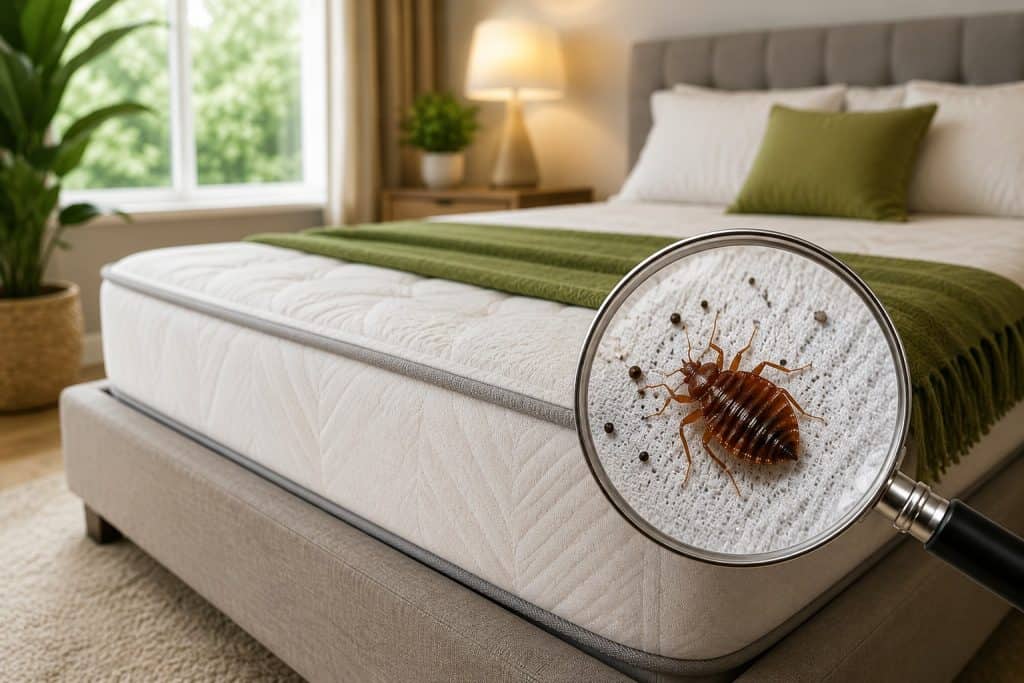
Waking up with itchy bites is bad enough. Finding tiny blood spots on the sheets or spotting a bug near the mattress seam is worse. If you are searching for bed bug treatment Sydney services, you are probably not after theory – you want the problem found, treated properly, and stopped from coming back.
Bed bugs are stressful because they get into the places people should feel safest: bedrooms, lounges, guest rooms, short-stay properties and even office breakout areas. They are also stubborn. A quick spray from the hardware shop rarely fixes the infestation, and in many cases it makes the problem harder to control by pushing bugs deeper into cracks and furniture.
Why bed bug treatment in Sydney needs a proper plan
Bed bugs are not a sign of a dirty home. They are hitchhikers. They come in on luggage, second-hand furniture, clothing, backpacks and delivery items. In busy suburbs, apartment buildings, hotels and shared properties, they can also move between rooms or units.
What makes them difficult is how well they hide. They tuck themselves into mattress piping, bed frames, skirting boards, bedside furniture, wall cracks, curtains and soft furnishings. They usually come out at night, which means plenty of people have a growing infestation before they ever see a live bug.
A proper bed bug treatment Sydney service starts with identifying where the activity really is. Treating only the bed is one of the most common mistakes. If the bugs have spread to lounges, wardrobes or adjoining rooms, a partial treatment may give short-term relief but not full control.
Signs you may have bed bugs
Bites alone do not confirm bed bugs. Skin reactions vary from person to person, and some people barely react at all. What matters is the pattern of evidence in the room.
Common signs include small rust-coloured stains on bedding, dark spotting around mattress seams, cast skins, a sweet musty odour in heavier infestations, and live insects in tight cracks near where people sleep. Bed bugs are flat, oval and reddish-brown, though young ones can be pale and much harder to notice.
In houses and units across Sydney, we often see people delay treatment because they are not fully sure what they are dealing with. That is understandable, but time matters. The longer bed bugs are left, the more likely they are to spread into nearby rooms and belongings.
What actually works for bed bug treatment Sydney homes need
Effective treatment is usually a combination of careful inspection, targeted application and practical preparation by the occupant. There is rarely a one-step fix.
Professional treatment often involves treating bed frames, cracks, skirtings, furniture joints, carpet edges and other harbourage areas where bed bugs hide. Depending on the severity, follow-up visits may be needed. That is not a sign the first treatment failed. It reflects the biology of the pest. Eggs can be protected in hidden spaces, and newly emerged bugs may need to be addressed after the initial service.
Just as important is using the right products in the right places. In family homes, apartments and occupied bedrooms, safety matters. Low-tox and targeted methods are especially valuable where children, pets or sensitive occupants are involved. The goal is not to blanket the room with unnecessary chemical use. It is to apply effective control measures where they will do the most good.
Heat, steam, vacuuming and encasements can also play a role, but they need to be used correctly. Steam can kill bed bugs on contact, yet it only works where the steam reaches. Vacuuming helps reduce numbers, but it does not solve an infestation on its own. Mattress encasements are useful because they trap any remaining bugs inside and reduce hiding spots, though they are a support measure rather than a standalone cure.
Why DIY bed bug control often falls short
There is a reason bed bugs have a reputation for being difficult. Many over-the-counter products are applied too lightly, in the wrong spots or too broadly. Some people spray mattresses heavily, which is not always appropriate or safe. Others throw out the bed, only to discover the bugs were also in the bedside tables and lounge.
Another issue is resistance. Bed bugs in many areas have shown reduced sensitivity to common insecticides. That means a product that looks promising on the label may do very little in practice.
DIY efforts can still support treatment when guided properly. Washing and drying linen on high heat, reducing clutter, isolating infested items and following preparation instructions all help. But relying on shop-bought sprays as the main answer often wastes time and money.
How to prepare your home before treatment
Preparation has a real impact on results. It gives the technician access to hiding places and lowers the chances of bugs surviving in overlooked spots.
Start by stripping beds and bagging linen before moving it through the home. Wash and dry items on the hottest suitable cycle. Reduce clutter around sleeping areas, especially under beds and inside bedside tables. If clothing or soft items from affected rooms need laundering, keep them bagged until they go straight into the wash.
Avoid moving furniture from room to room unless you have been told to do so. That can spread the infestation. The same goes for putting items out on the kerb without wrapping or labelling them. In strata buildings and apartment complexes, this creates problems for neighbours as well.
A good pest professional should give clear preparation advice before the visit. That matters because every property is a bit different. A family home, short-stay apartment and strata-managed unit may need slightly different handling.
What to expect from a professional bed bug service
A reliable service should begin with a detailed inspection and honest advice. If the signs do not point to bed bugs, you should be told that. Bites can also be caused by fleas, mosquitoes, mites or non-pest skin conditions, so guessing helps no one.
If bed bugs are confirmed, the technician should explain where activity has been found, what treatment is recommended, what preparation is needed and whether follow-up visits are likely. Clear communication is especially important in rental properties and strata settings where tenants, owners and managers may all be involved.
This is where an experienced local operator makes a difference. Companies such as Clean & Green Pest Control focus on practical, family-safe treatment options and straightforward advice, which is exactly what most households want when dealing with a pest problem in bedrooms and living spaces.
Aftercare matters as much as the treatment
Once treatment is done, monitoring is important. You may still see some activity for a short period, depending on the method used and the infestation level. That does not automatically mean the process has failed. What matters is whether activity is dropping and whether the follow-up plan is being followed.
Try not to sleep in a different room unless advised. Bed bugs follow people. If you move to the couch or spare room, they can spread. Keep beds slightly away from walls where practical, avoid letting bedding touch the floor, and use any recommended interceptors or encasements as instructed.
Do not start applying extra sprays after professional treatment unless you have been told it is safe to do so. Mixing products or interfering with treated areas can reduce effectiveness.
Special considerations for rentals, strata and businesses
Bed bug control is not only a homeowner issue. In rental properties, responsibility depends on the tenancy situation, evidence of source, and how quickly the issue is reported. Property managers usually need prompt documentation and a treatment record, especially if neighbouring units may be affected.
In strata properties, bed bugs can become a shared concern if they move between lots or common walls. Early reporting helps limit spread and cost. For accommodation providers, health services, office spaces and food premises, the risk is often reputational as much as practical. Quiet, prompt treatment with minimal disruption is usually the priority.
That is why bed bug jobs need more than a generic spray-and-go approach. They need inspection, communication and a treatment plan suited to the site.
How to reduce the chance of bed bugs coming back
No service can promise you will never encounter bed bugs again, because reintroduction often happens through travel or incoming items. What you can do is lower the risk and catch problems early.
Check hotel beds and luggage stands when travelling. Wash travel clothing promptly when you get home. Be careful with second-hand mattresses and upholstered furniture. Inspect bed frames, seams and joints before bringing items inside. In apartment buildings or shared accommodation, report suspected activity early rather than waiting to see if it disappears.
For families, one of the biggest benefits of prompt treatment is peace of mind. Bed bugs are not known to spread disease in the way some other pests do, but they can seriously affect sleep, stress levels and daily comfort. When children are being bitten or guests are involved, that stress escalates quickly.
The right approach is simple: confirm the pest, treat the whole problem rather than the obvious spots, and use methods that balance strong results with household safety. That is what gets bed bug problems under control and keeps your home feeling like home again.