Roof Cavity Pest Inspection: What It Finds
You usually hear roof cavity pests before you see them. Scratching above the ceiling at night, a sudden musty smell, droppings in the garage, or insulation that seems to keep shifting can all point to activity overhead. A roof cavity pest inspection is designed to find out exactly what is happening in that hidden space before a small problem turns into damage, contamination, or a much bigger clean-up.
For many homes, the roof cavity is easy to forget. It is dark, warm, sheltered, and rarely checked unless there is a leak or electrical work. That also makes it a very attractive place for rodents, birds, possums, cockroaches, and in some cases termites moving through structural timbers. By the time pests are obvious inside the home, they may have been nesting or travelling through the roof for weeks or months.
Why a roof cavity pest inspection matters
The value of a roof cavity pest inspection is not just pest identification. It is early detection of the conditions that allow infestations to start and keep returning. Nesting material, entry gaps, water staining, damaged insulation, droppings, timber decay, and old treatment failures all tell a story about what pests are doing and why they are there.
That matters because not every noise in the ceiling calls for the same response. Rats behave differently from possums. Birds entering through broken tiles create different risks from cockroaches hiding around stored cardboard and wiring. If the issue is termites, speed and accuracy become even more important because surface signs can be subtle while structural damage continues out of sight.
A proper inspection also helps avoid over-treating. For families with children, pets, or concerns about chemical exposure, that is a big part of peace of mind. The best outcome is not simply applying product and hoping for the best. It is knowing what pest is present, how it is getting in, whether young or wildlife are involved, and what control method is safest and most effective for that site.
What happens during a roof cavity pest inspection
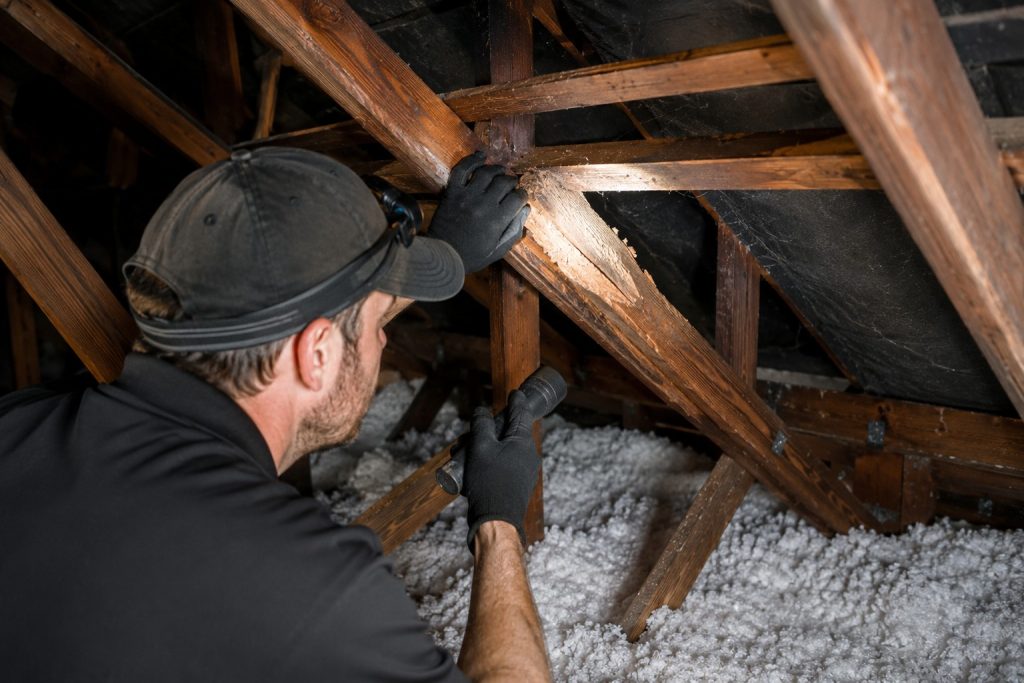
A thorough inspection starts before anyone climbs into the roof. The technician will usually ask what you have noticed, when it happens, and where the sounds or signs seem strongest. That background often helps narrow down whether activity is nocturnal, weather-related, seasonal, or linked to a particular part of the property.
The internal and external condition of the building matters as well. Loose roof tiles, unsealed eaves, overhanging branches, damaged vents, and moisture issues around gutters can all contribute to pest access. Inside the roof cavity, the inspection focuses on signs such as droppings, tracks, grease marks, nesting material, chew damage, insect activity, timber condition, and entry points.
In some homes, access is straightforward. In others, low clearance, insulation depth, wiring, ducting, or heat can limit movement and visibility. That is why honest communication matters. A good inspector will explain what could be checked fully, what could only be checked partially, and whether follow-up steps are needed.
Common pests found in roof cavities
Rodents are among the most common findings. Rats and mice can chew wiring, foul insulation, contaminate storage areas, and move between the roof and kitchen or wall voids. They breed quickly, so a few noises can become a larger infestation faster than most people expect.
Possums are another frequent issue in Sydney suburbs, especially where roofs offer easy access from trees or fencing. Because possums are protected wildlife, removal must be handled lawfully and with care. This is one of those situations where a rushed DIY approach can make things worse and put both the animal and the household at risk.
Birds often enter through gaps in roofing or eaves and leave behind nesting material, mites, feathers, and droppings. In commercial buildings and strata properties, this can create hygiene concerns as well as ongoing noise and odour issues.
Cockroaches, ants, and spiders may also be active in roof spaces, particularly where there is warmth, stored material, or moisture. And while termites do not usually “live” in the same way roof rodents do, a roof cavity inspection can reveal termite workings, damaged timbers, or moisture conditions that support attack.
What a roof cavity pest inspection can reveal beyond pests
One of the most useful parts of this service is that it often uncovers related problems that homeowners did not know were contributing. Moisture is a common example. Even a minor roof leak or condensation issue can make timbers more attractive to pests and increase the chance of mould, decay, and odour.
Insulation damage is another. Compressed, soiled, or displaced insulation affects energy efficiency and indoor comfort, but it also shows where pests have been travelling or nesting. If there is chew damage to cables or pipe lagging, the risk extends beyond inconvenience. In some cases, it becomes a safety issue that needs prompt repair by the right trade.
This is why inspection-led pest control tends to produce better long-term results. It deals with cause, not just symptom.
When should you book an inspection?
The obvious answer is when you hear movement, smell something unusual, or notice droppings. But there are quieter warning signs too. Repeated pest activity inside the house, stains on ceilings, unexplained allergy flare-ups, or birds regularly gathering around roof openings can all justify a closer look.
Property managers and strata committees often benefit from scheduled inspections, especially in buildings with recurring roofline issues or shared cavities. For homeowners, it also makes sense after storm damage, before major renovations, or as part of a termite risk management plan.
Timing can depend on the pest. Rodent activity often becomes more noticeable when weather cools and they seek shelter. Bird nesting tends to be seasonal. Termite risk is more closely tied to moisture, construction details, and timber contact than to a simple calendar date. So there is no single perfect month for every property. It depends on the building, the location, and what signs are already present.
Why DIY usually falls short
It is tempting to throw a few traps into the manhole and hope the problem disappears. Sometimes that catches one or two rodents, but it rarely answers the bigger question of how they entered and what else is going on in the roof.
DIY treatment also carries risks. Incorrect bait placement can expose children, pets, or non-target wildlife. Entering a roof cavity without proper care can be dangerous because of heat, low visibility, electrical hazards, unstable footing, and insulation dust. And if the issue involves possums or termites, the wrong action can lead to legal problems, property damage, or delayed treatment when time matters most.
A professional inspection gives you a clearer path. You get identification, evidence, risk assessment, and advice that fits the site rather than a guess based on noise alone.
Choosing a safe and practical treatment plan
Once the inspection is complete, the next step should be specific to the pest and the property. Sometimes that means trapping and proofing. Sometimes it means targeted low-tox treatment, sanitation advice, or repairs to close access points. In wildlife matters, it means compliant removal and exclusion methods that protect native species.
This is where an environmentally responsible approach makes a real difference. The goal is effective pest control with the lowest reasonable impact on people, pets, and the surrounding environment. For many households, especially those with kids, dogs, cats, or sensitive occupants, that balance matters just as much as the result itself.
At Clean & Green Pest Control, that practical balance is part of the job. Clear advice, honest pricing, and treatment options that consider family and wildlife safety help take the stress out of what can feel like a hard-to-reach problem.
What to do before and after the inspection
Before the visit, it helps to make the manhole accessible and note where you have heard noise or seen signs. If you have photos of droppings, damaged food packaging, or birds entering the roofline, keep them handy. Those details can help build a clearer picture.
After the inspection, act on recommendations promptly, especially where there is termite evidence, electrical damage, or wildlife entry. Delaying proofing or repair work often means the same pest pressure returns. Even a successful treatment can be undermined by a broken vent, a gap under flashing, or branches left resting on the roof.
A roof cavity does not need constant attention, but it should not be ignored either. If something sounds off above the ceiling, there is usually a reason. Finding it early is almost always cheaper, safer, and less disruptive than waiting for the problem to spread.